While takeoff offers excellent archipelago views on the left, the landing approach provides more dramatic and distinctive visual features—Iceland's volcanic landscape and Atlantic coastline are more visually striking than Swedish forests and islands. Right seats capture the geologically unique Reykjanes Peninsula that defines this destination.
Flown ARN to KEF? Did we get it right?
Flight Path
Stockholm to Keflavik is 1,332 miles (2,143 km), a flight of about 2 hours 45 minutes.
The flight crosses the North Sea and Norwegian Sea. Midway, you'll pass over open ocean with occasional glimpses of the Norwegian coast (if visible through cloud cover) around 61-62°N. The transition from temperate Scandinavian landscape to subarctic Iceland is gradual, with water dominating the view for roughly 90 minutes of the flight. No major landmarks are visible during the oceanic midpoint unless cloud cover breaks to reveal the Norwegian coastline or the Faroe Islands (which lie south of the direct route but may be visible in clear conditions).
Great circle distance and headings ›


Phase by phase
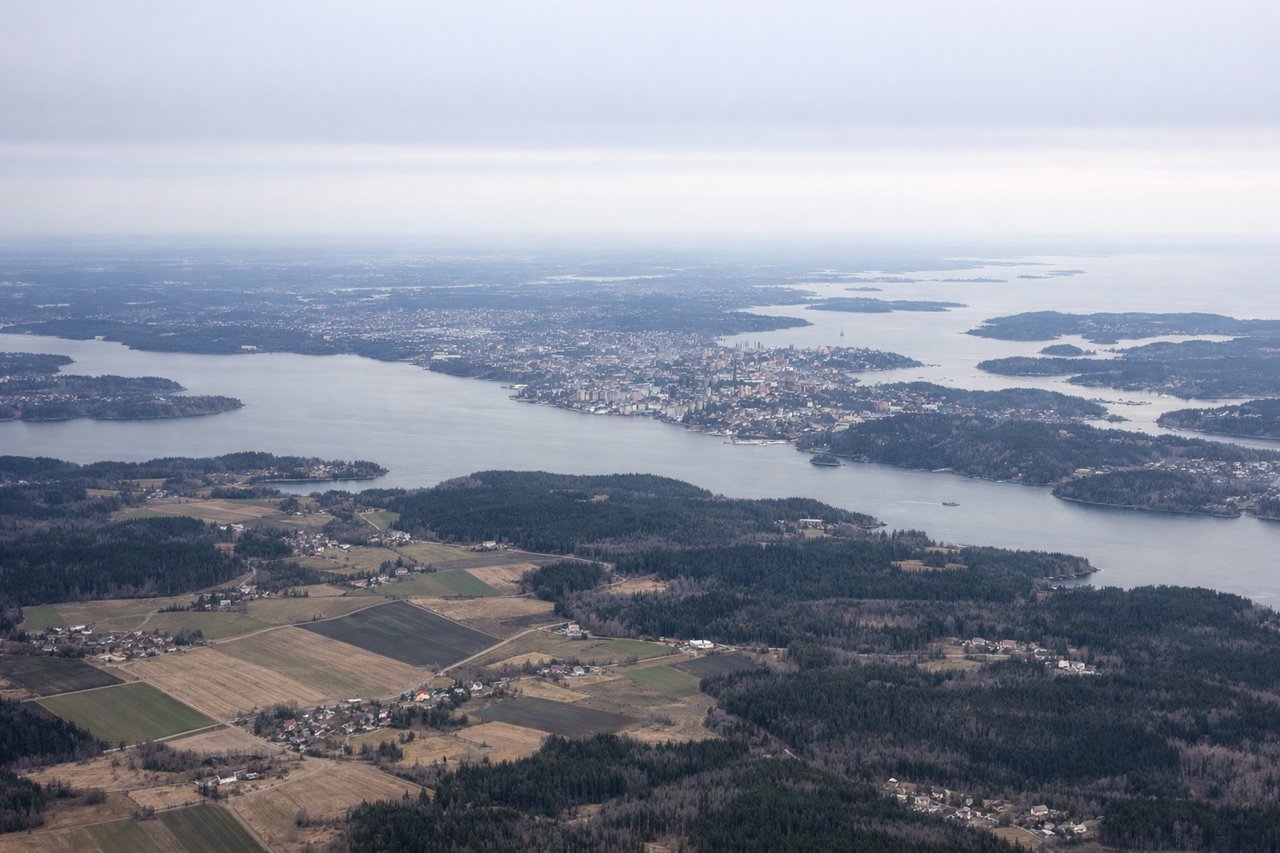
Takeoff from ARN
LEFTARN typically departs northwestbound (runways 01L/01R or 19L/19R). Left seats face toward the Stockholm archipelago and Baltic Sea immediately after rotation, with clear views of the intricate island chains and water features that define the region.
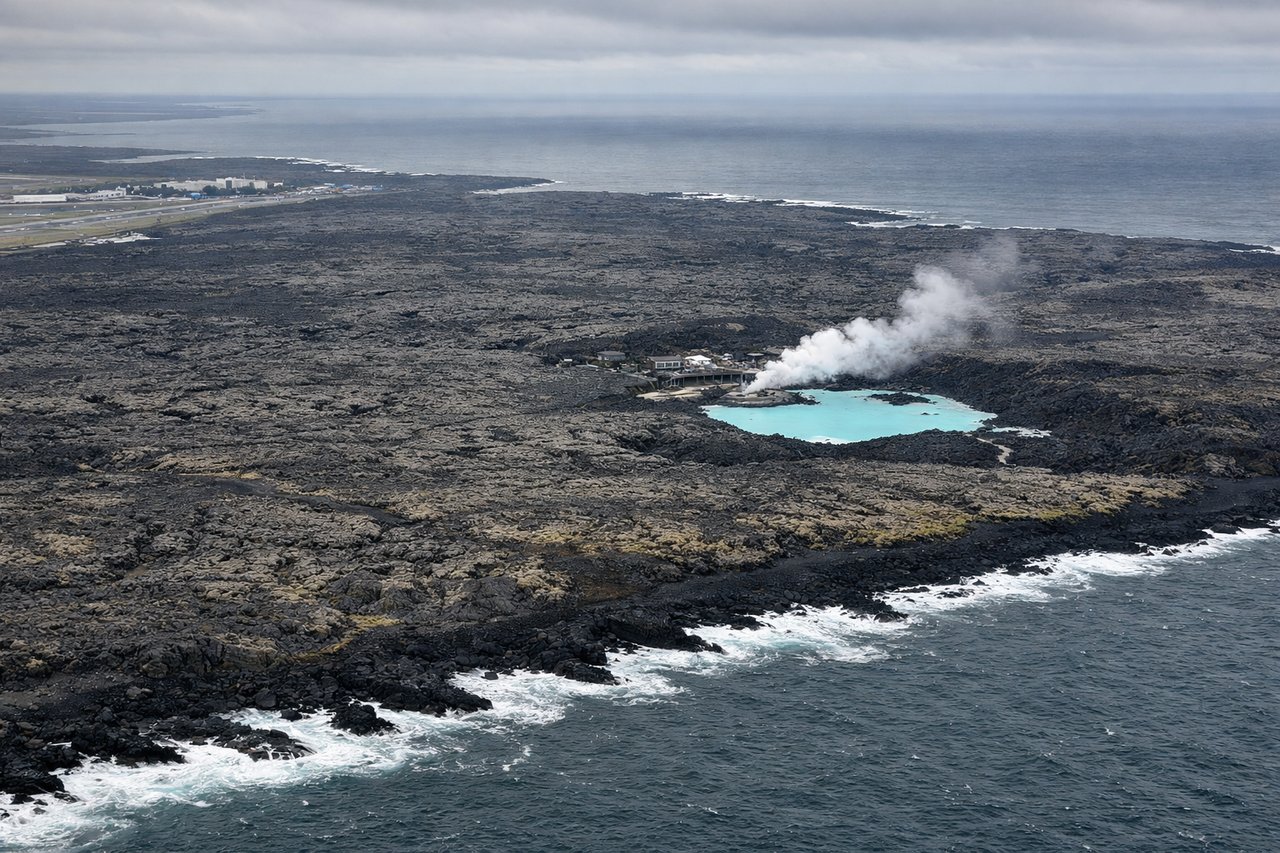
Landing at KEF
RIGHTKEF approaches from the southeast typically use runway 02 or 20. Right seats on descent toward Iceland offer unobstructed views of the Reykjanes Peninsula's volcanic terrain, the Atlantic coastline, and the geothermal features that characterize this region.
Will your flight be in sunlight?
Pick a date and time in the Sun Map to watch the sun move across your whole flight.
About This Route
Which side of the plane should I sit on flying from Arlanda (ARN) to Keflavik Nas (KEF)?
Sit on the Right side of the plane for the best views on flights from Stockholm to Keflavik. While takeoff offers excellent archipelago views on the left, the landing approach provides more dramatic and distinctive visual features—Iceland's volcanic landscape and Atlantic coastline are more visually striking than Swedish forests and islands. Right seats capture the geologically unique Reykjanes Peninsula that defines this destination.
What can I see during takeoff from Arlanda in Stockholm?
During takeoff from Arlanda (ARN), sit on the Left side for the best views. ARN typically departs northwestbound (runways 01L/01R or 19L/19R). Left seats face toward the Stockholm archipelago and Baltic Sea immediately after rotation, with clear views of the intricate island chains and water features that define the region. Notable sights include: Stockholm archipelago (Vaxholm and inner skerries), Mälaren lake to the west, Baltic Sea opening northward, Uppland forests extending inland.
What can I see when landing at Keflavik Nas in Keflavik?
When landing at Keflavik Nas (KEF), sit on the Right side for the best views. KEF approaches from the southeast typically use runway 02 or 20. Right seats on descent toward Iceland offer unobstructed views of the Reykjanes Peninsula's volcanic terrain, the Atlantic coastline, and the geothermal features that characterize this region. Notable sights include: Reykjanes Peninsula lava fields (dark volcanic rock formations), Atlantic Ocean, Keflavik town and harbor, geothermal steam vents near Svartsengi.
How long is the flight from Stockholm to Keflavik?
The flight from Arlanda (ARN) to Keflavik Nas (KEF) takes about 2 hours 45 minutes. The shortest flight path between them is 1,332 miles (2,143 km); winds and air traffic control usually add a few percent.
What does the Stockholm to Keflavik flight path pass over?
The flight crosses the North Sea and Norwegian Sea. Midway, you'll pass over open ocean with occasional glimpses of the Norwegian coast (if visible through cloud cover) around 61-62°N. The transition from temperate Scandinavian landscape to subarctic Iceland is gradual, with water dominating the view for roughly 90 minutes of the flight. No major landmarks are visible during the oceanic midpoint unless cloud cover breaks to reveal the Norwegian coastline or the Faroe Islands (which lie south of the direct route but may be visible in clear conditions).