Stockholm to New York is 3,919 miles (6,307 km), a flight of about 9 hours 30 minutes.
The right side wins overall. The Stockholm departure view of Lake Mälaren and Gamla Stan is genuinely spectacular and hard to beat. En route, the right side also faces south over Greenland's ice sheet interior and later the Canadian Maritime coastline. At JFK the left side is better for landing, but the departure experience on the right is the highlight of the flight.
Flight Path
The great circle route from Stockholm to JFK tracks northwest over southern Norway and the Norwegian Sea, then across the southern tip of Greenland where the ice sheet and fjord coastline are visible, then over the Labrador Sea and the Canadian Maritime provinces (Newfoundland, Nova Scotia), before descending over the Gulf of Maine and the New England coastline toward New York.
Great circle distance and headings ›


.jpeg?width=600)
.jpg?width=600)
Phase by phase
Takeoff from BMA
RIGHTBromma's primary departure runway is 12 (heading southeast), so a right-side seat looks northeast over central Stockholm — you get a clear view of the city center, Gamla Stan, and Lake Mälaren's archipelago. Left side faces away toward suburban sprawl.
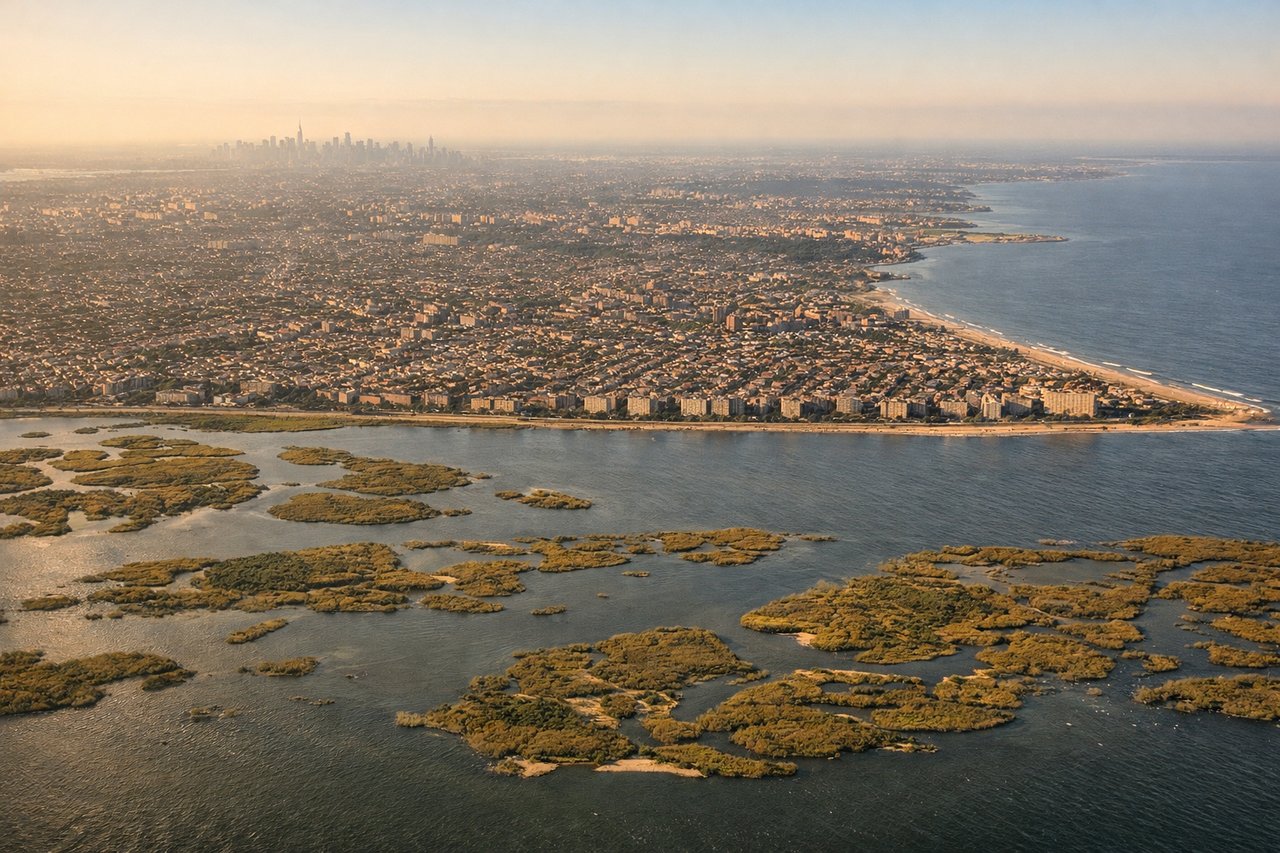
Landing at JFK
LEFTJFK's primary westbound arrival runways (13L/13R, approaching from the northeast) put the left side facing south over Jamaica Bay and the Atlantic coastline. Right side looks inland over Queens residential areas. Left gives you the bay, the barrier beaches, and the Manhattan skyline in the far distance.
Landmarks on this routeAll landmarks →
Will your flight be in sunlight?
Pick a date and time in the Sun Map to watch the sun move across your whole flight.
About This Route
Which side of the plane should I sit on flying from Bromma (BMA) to John F Kennedy International (JFK)?
Sit on the Right side of the plane for the best views on flights from Stockholm to New York. The right side wins overall. The Stockholm departure view of Lake Mälaren and Gamla Stan is genuinely spectacular and hard to beat. En route, the right side also faces south over Greenland's ice sheet interior and later the Canadian Maritime coastline. At JFK the left side is better for landing, but the departure experience on the right is the highlight of the flight.
What can I see during takeoff from Bromma in Stockholm?
During takeoff from Bromma (BMA), sit on the Right side for the best views. Bromma's primary departure runway is 12 (heading southeast), so a right-side seat looks northeast over central Stockholm — you get a clear view of the city center, Gamla Stan, and Lake Mälaren's archipelago. Left side faces away toward suburban sprawl. Notable sights include: Lake Mälaren and its islands, Gamla Stan (Old Town) on its island, Stockholm City Hall (Stadshuset) on the waterfront, the Royal Palace district.
What can I see when landing at John F Kennedy International in New York?
When landing at John F Kennedy International (JFK), sit on the Left side for the best views. JFK's primary westbound arrival runways (13L/13R, approaching from the northeast) put the left side facing south over Jamaica Bay and the Atlantic coastline. Right side looks inland over Queens residential areas. Left gives you the bay, the barrier beaches, and the Manhattan skyline in the far distance. Notable sights include: Jamaica Bay and its wildlife refuge islands, Rockaway Peninsula barrier beach, Atlantic Ocean coastline, Manhattan skyline on the distant horizon to the northwest.
How long is the flight from Stockholm to New York?
The flight from Bromma (BMA) to John F Kennedy International (JFK) takes about 9 hours 30 minutes. The shortest flight path between them is 3,919 miles (6,307 km); winds and air traffic control usually add a few percent.
What does the Stockholm to New York flight path pass over?
The great circle route from Stockholm to JFK tracks northwest over southern Norway and the Norwegian Sea, then across the southern tip of Greenland where the ice sheet and fjord coastline are visible, then over the Labrador Sea and the Canadian Maritime provinces (Newfoundland, Nova Scotia), before descending over the Gulf of Maine and the New England coastline toward New York.