Ausangate peak (6, 384m), Vilcanota mountain range
Cuzco city center, Sacsayhuaman ruins, the Huatanay river valley
🛫 Taking Off from Cuzco (CUZ)
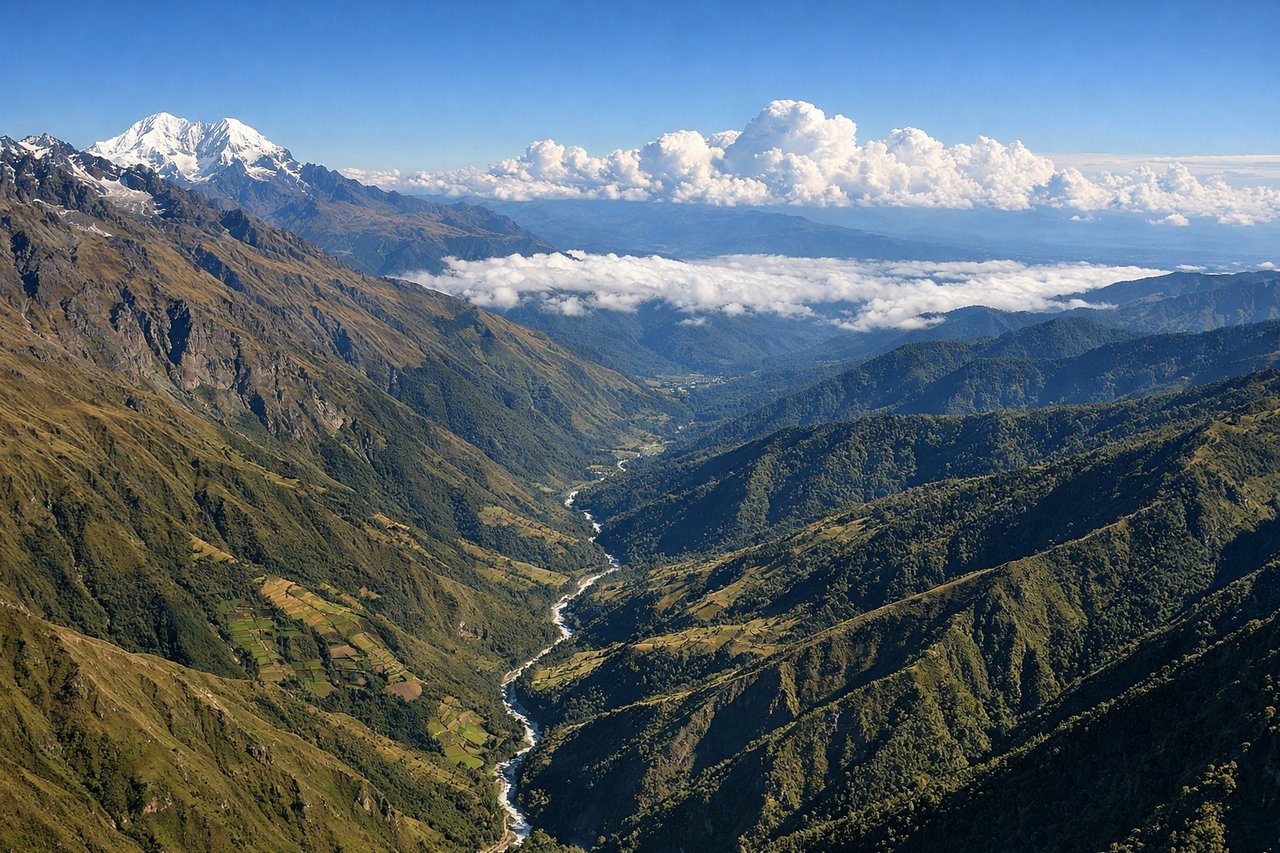 Left Side
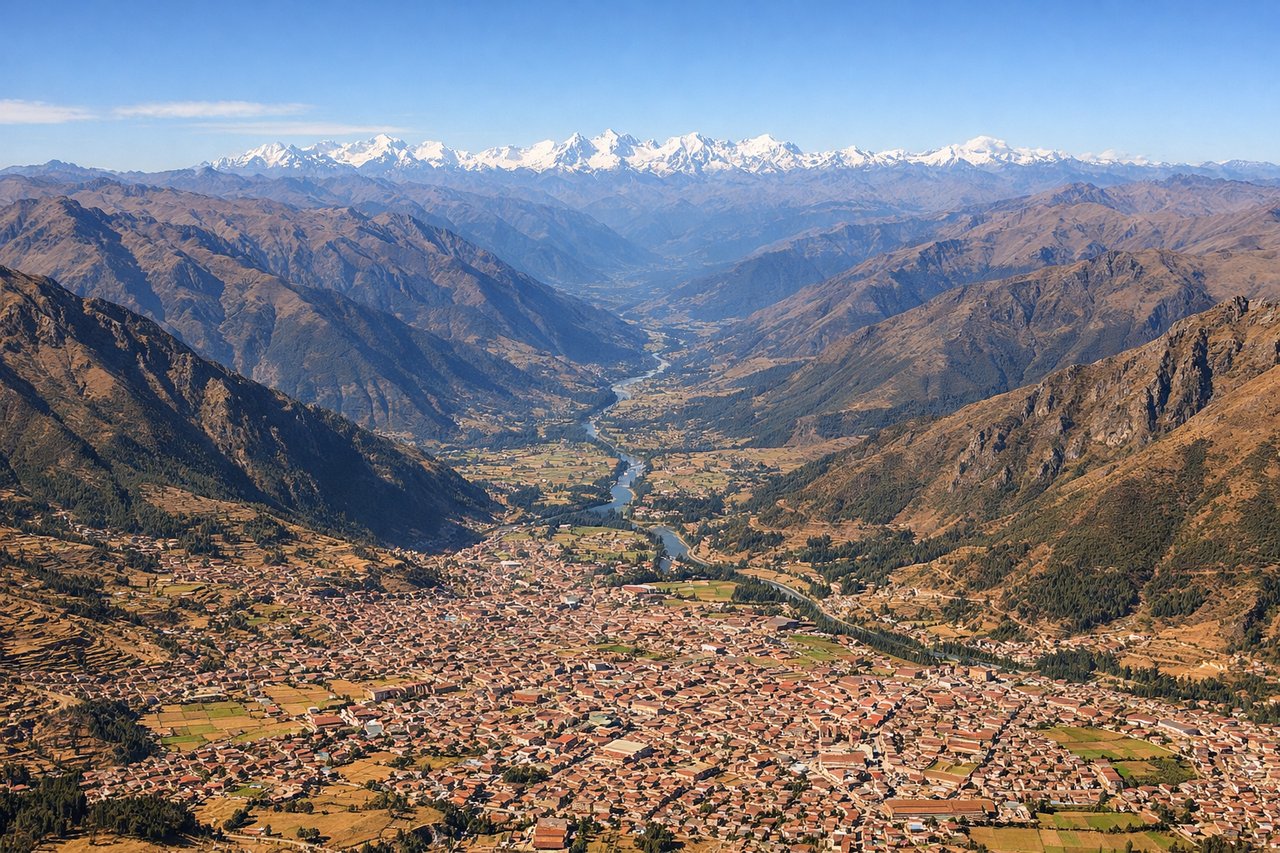 Right Side
🛬 Landing at Cuzco (CUZ)
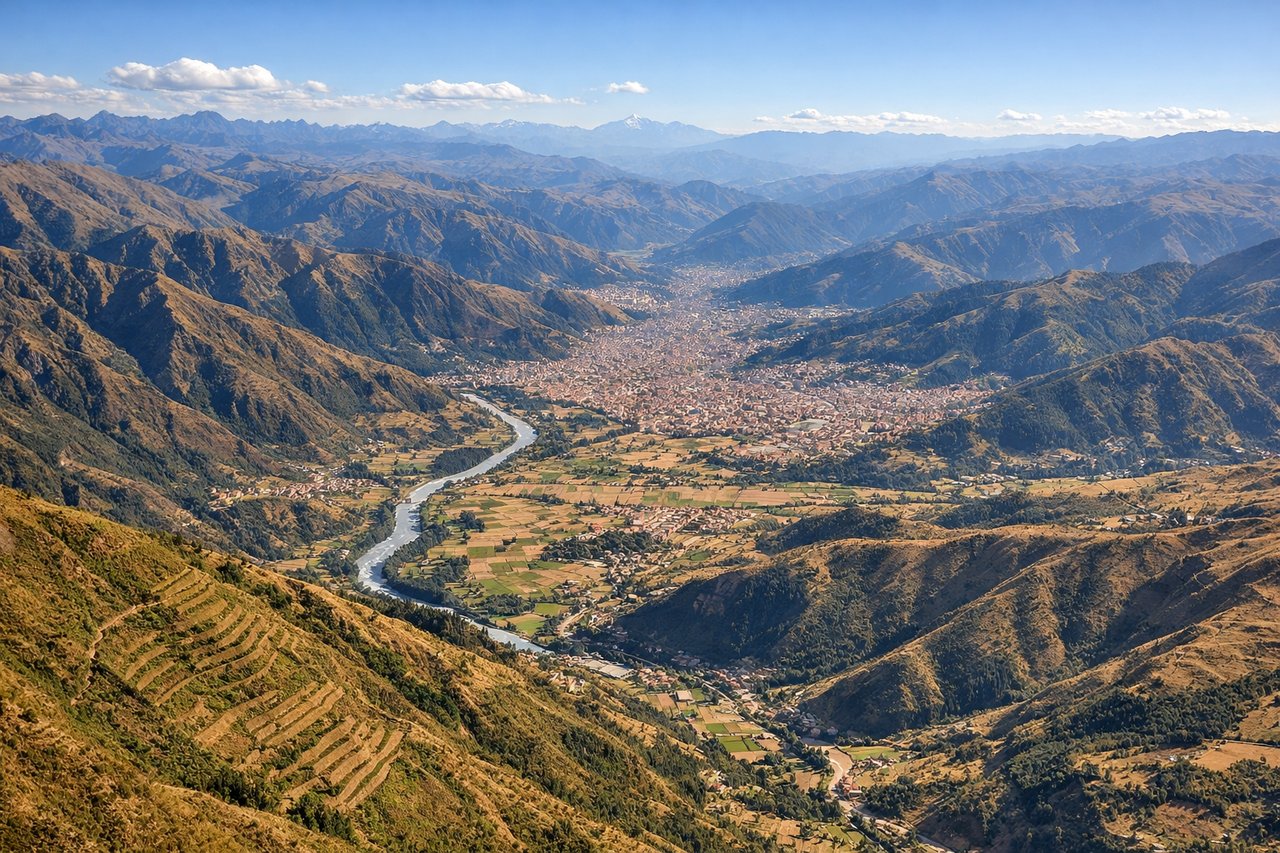 Left Side
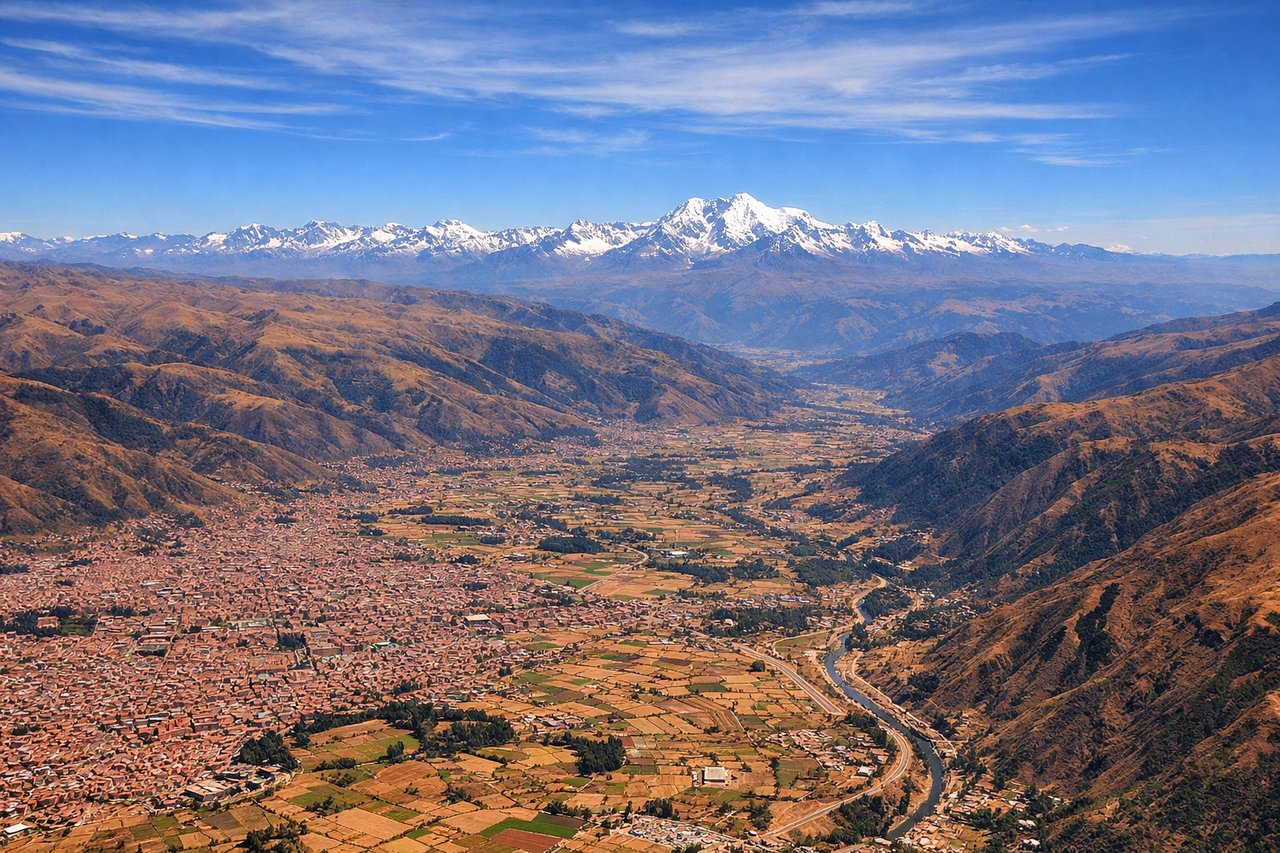 Right Side
Velasco Astete is a compact single-runway airport sitting at over 3,300 meters elevation, surrounded by mountains, which limits operations to daylight hours and requires careful approach and departure procedures. A new international airport (Chinchero) has been under construction to eventually replace it.
Landmarks on routes from CuzcoAll landmarks →
Popular Routes from Velazco Astete (CUZ)
About This Airport
Which side of the plane has the best views at Velazco Astete (CUZ)?
At Velazco Astete in Cuzco: for takeoff, sit on the Right side; for landing, sit on the Right side. Notable views include: Ausangate peak (6,384m), Vilcanota mountain range, Cusco valley terraced hillsides, Huatanay river valley.
What can I see during takeoff from Velazco Astete in Cuzco?
When taking off from Velazco Astete (CUZ), sit on the Right side for the best views. Departing runway 10 you climb out heading east-southeast, and the right side gives you a view south toward the high Vilcanota range, including the snow-capped Ausangate massif in the distance. The left side mostly shows the city sprawl and closer valley walls, which are less dramatic once airborne. Notable sights include: Ausangate peak (6,384m), Vilcanota mountain range, Cusco valley terraced hillsides, Huatanay river valley.
What can I see when landing at Velazco Astete in Cuzco?
When landing at Velazco Astete (CUZ), sit on the Right side for the best views. Landing on runway 28 means you approach from the east and fly west down the Huatanay valley toward Cuzco. The city center, with its red-tiled rooftops, and the Sacsayhuaman ruins on the hill above it sit just north of the flight path, putting them on the right side of the aircraft as you descend. Notable sights include: Cuzco city center, Sacsayhuaman ruins, the Huatanay river valley, surrounding Andean ridgelines.
What factors affect the best window seat at Velazco Astete?
The best window seat at Velazco Astete (CUZ) depends on several factors: the typical runway used for your departure or arrival, the geographic features around Cuzco (mountains, coastlines, city skylines), weather conditions, and time of day. Morning and evening flights often offer the best lighting for scenic views.