The left side dominates the long cruise phase, with the Rockies and Alaska Range visible over North America, dramatic volcanic peaks along Kamchatka, and finally the classic Mt. Fuji view on the Haneda approach, giving it far more cumulative scenic payoff than the right side's mostly open-ocean views.
Flight Path
Dallas-Fort Worth to Tokyo is 6,448 miles (10,378 km), a flight of about 13 hours 35 minutes.
Canadian Rockies over Alberta, the Alaska Range near Denali, the Bering Sea and Aleutian chain, and the volcanic spine of Russia's Kamchatka Peninsula before descending toward Hokkaido and Honshu
Great circle distance and headings ›


Phase by phase
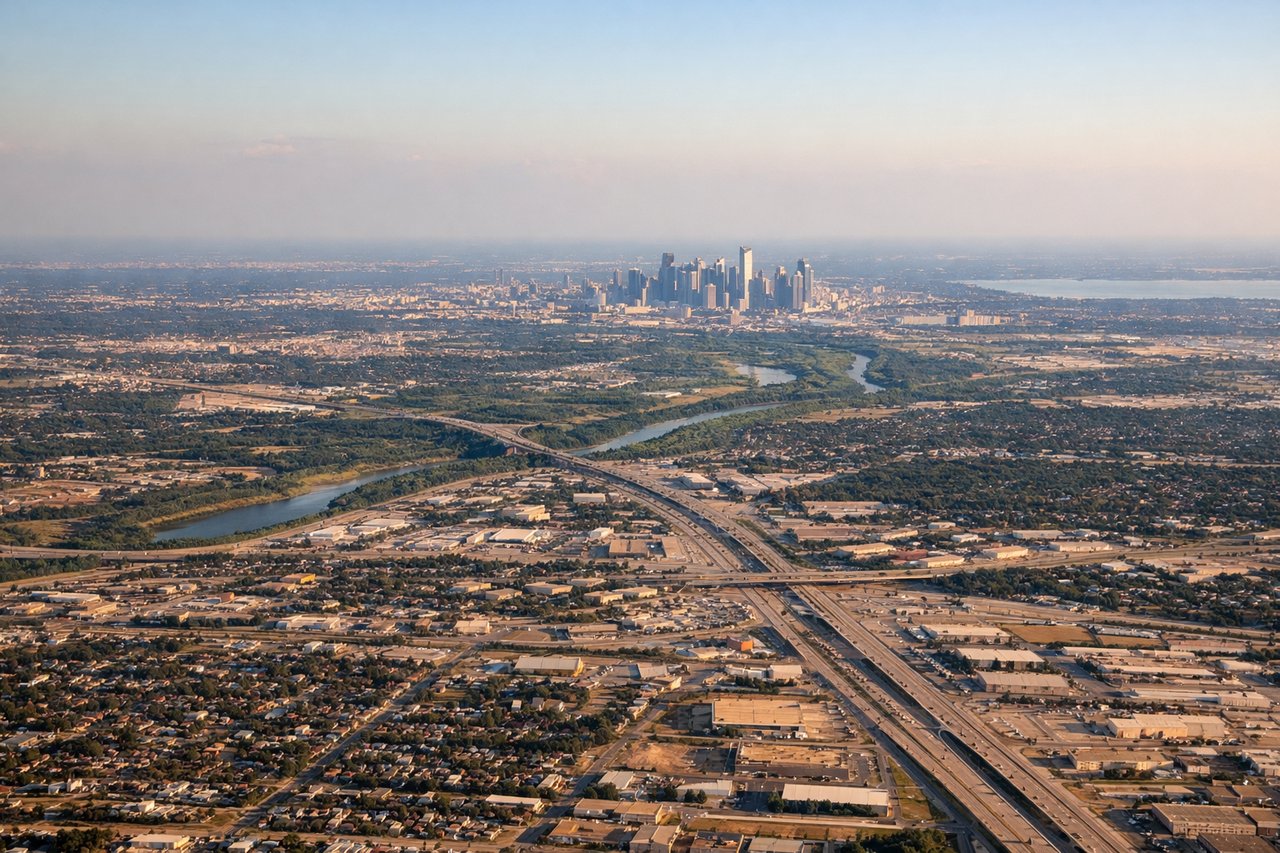
Takeoff from DFW
RIGHTDFW's terrain is dead flat, so neither side has real drama, but the standard south-flow departure requires a sweeping right turn onto the northwest routing toward Canada, which briefly banks the right side toward the Fort Worth skyline and the grid of suburban sprawl below.
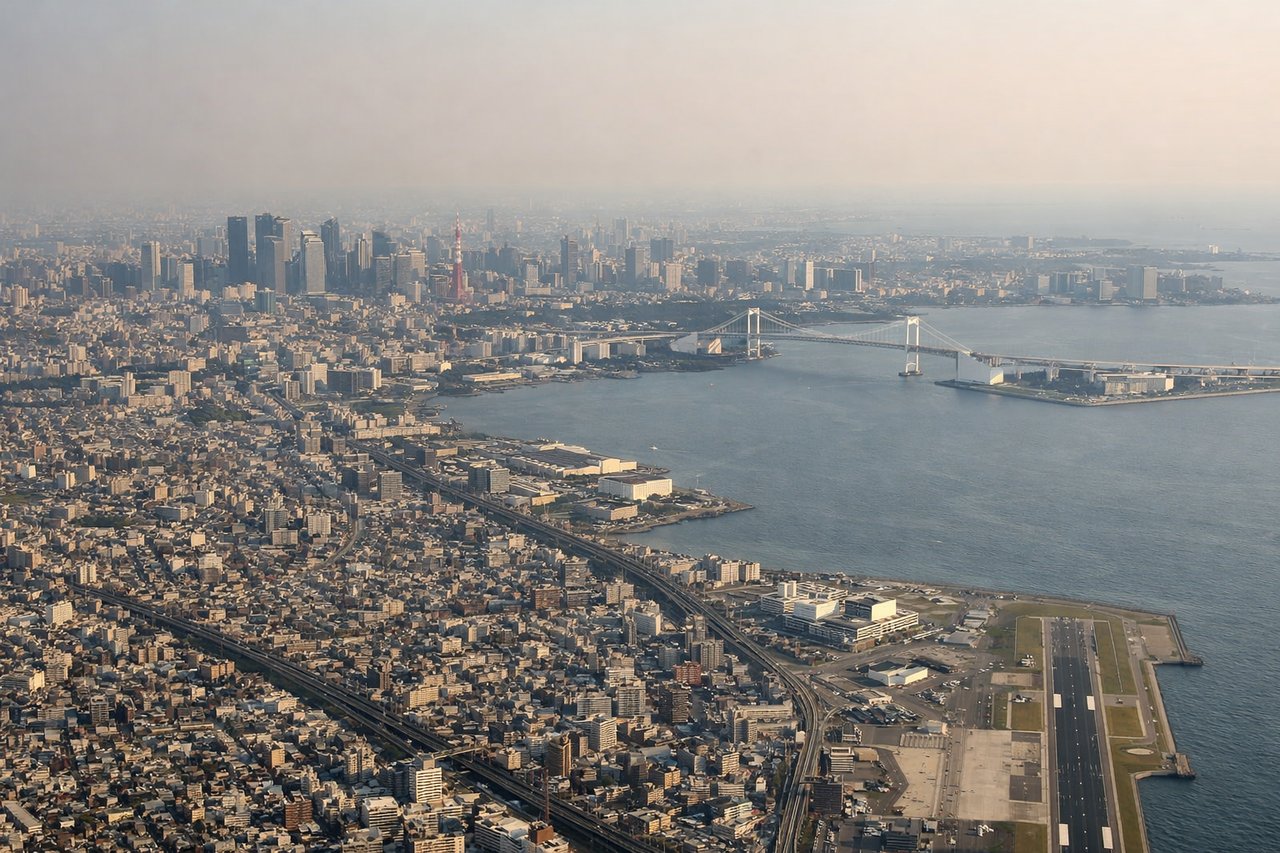
Landing at HND
LEFTOn the common south-wind arrival into Haneda, aircraft fly north up over Tokyo Bay to land on runway 34, and this heading puts Mt. Fuji almost directly abeam on the left side, roughly 60 miles to the west-southwest. It's one of the most reliable landmark sightings on any Tokyo arrival.
Landmarks on this routeAll landmarks →
Will your flight be in sunlight?
Pick a date and time in the Sun Map to watch the sun move across your whole flight.
About This Route
Which side of the plane should I sit on flying from Dallas Fort Worth International (DFW) to Tokyo International (HND)?
Sit on the Left side of the plane for the best views on flights from Dallas-Fort Worth to Tokyo. The left side dominates the long cruise phase, with the Rockies and Alaska Range visible over North America, dramatic volcanic peaks along Kamchatka, and finally the classic Mt. Fuji view on the Haneda approach, giving it far more cumulative scenic payoff than the right side's mostly open-ocean views.
What can I see during takeoff from Dallas Fort Worth International in Dallas-Fort Worth?
During takeoff from Dallas Fort Worth International (DFW), sit on the Right side for the best views. DFW's terrain is dead flat, so neither side has real drama, but the standard south-flow departure requires a sweeping right turn onto the northwest routing toward Canada, which briefly banks the right side toward the Fort Worth skyline and the grid of suburban sprawl below. Notable sights include: Fort Worth downtown skyline, Trinity River, North Texas suburban grid.
What can I see when landing at Tokyo International in Tokyo?
When landing at Tokyo International (HND), sit on the Left side for the best views. On the common south-wind arrival into Haneda, aircraft fly north up over Tokyo Bay to land on runway 34, and this heading puts Mt. Fuji almost directly abeam on the left side, roughly 60 miles to the west-southwest. It's one of the most reliable landmark sightings on any Tokyo arrival. Notable sights include: Mt. Fuji, Tokyo Bay, Miura Peninsula, Haneda's reclaimed runway islands.
How long is the flight from Dallas-Fort Worth to Tokyo?
The flight from Dallas Fort Worth International (DFW) to Tokyo International (HND) takes about 13 hours 35 minutes. The shortest flight path between them is 6,448 miles (10,378 km); winds and air traffic control usually add a few percent.
What does the Dallas-Fort Worth to Tokyo flight path pass over?
Canadian Rockies over Alberta, the Alaska Range near Denali, the Bering Sea and Aleutian chain, and the volcanic spine of Russia's Kamchatka Peninsula before descending toward Hokkaido and Honshu