The right side wins on balance. The Dallas departure offers the better urban spectacle of the two endpoints, and across the Pacific the right side faces north, giving views toward Hawaii and the Hawaiian Islands chain if flying the typical great circle route. The left side wins at Melbourne but the right side advantage at departure and over the Pacific outweighs it overall.
Flown DFW to MEL? Did we get it right?
Flight Path
Dallas-Fort Worth to Melbourne is 8,995 miles (14,475 km), a flight of about 17 hours 30 minutes.
The great circle route from DFW to MEL tracks southwest over Mexico's Gulf Coast, then across the Pacific passing south of Hawaii (visible to the north on the right side around the midpoint), crossing the dateline near Kiribati, then descending toward eastern Australia over Queensland and New South Wales before turning south to Melbourne. The Coral Sea and Great Barrier Reef are visible from the right side during the Australian coastal approach if routing via the east coast.
Great circle distance and headings ›

Phase by phase
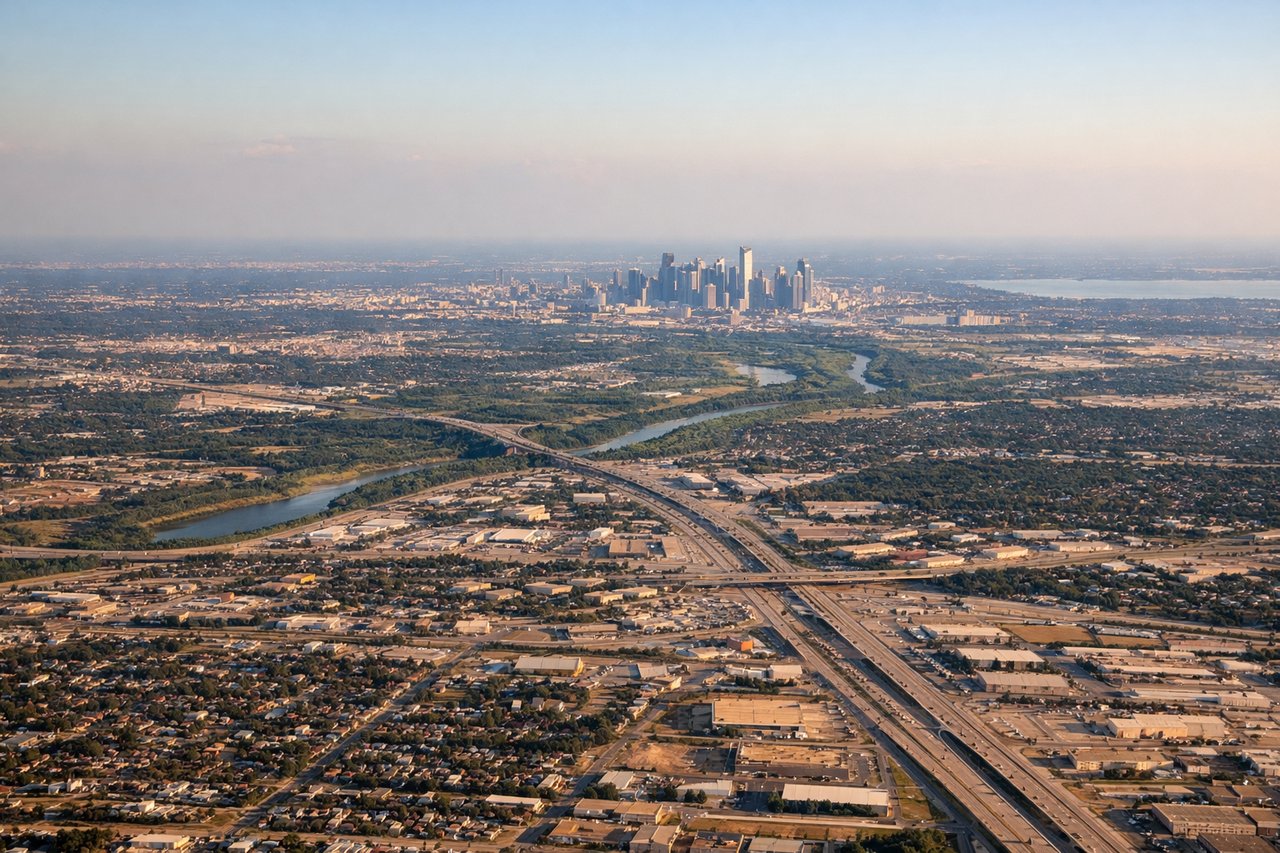
Takeoff from DFW
RIGHTDFW's primary departure runways (17C/17R heading south, or 36L/36R heading north) mean a right-side seat gives views over downtown Dallas skyline to the east during southbound departures, or the Fort Worth urban core during northbound climbs. The right side consistently captures the denser urban geography as the aircraft banks eastward on departure.
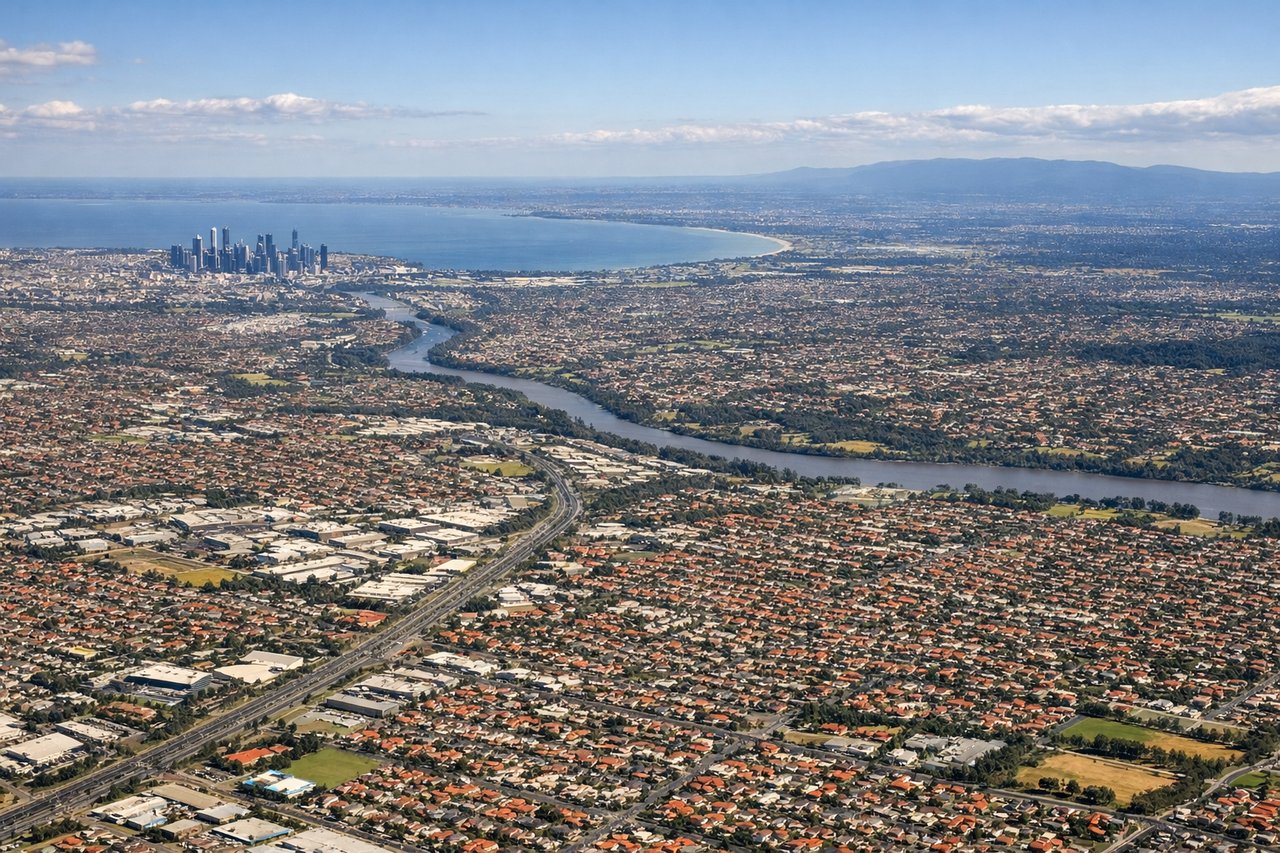
Landing at MEL
LEFTMelbourne Airport (YMML) approaches from the north on runway 16 heading southeast, putting Port Phillip Bay and the Melbourne CBD on the left side of the aircraft. The left seat gets the bay, the city skyline, and the Yarra River valley as the aircraft descends over the northern suburbs.
Will your flight be in sunlight?
Pick a date and time in the Sun Map to watch the sun move across your whole flight.
About This Route
Which side of the plane should I sit on flying from Dallas Fort Worth International (DFW) to Melbourne International (MEL)?
Sit on the Right side of the plane for the best views on flights from Dallas-Fort Worth to Melbourne. The right side wins on balance. The Dallas departure offers the better urban spectacle of the two endpoints, and across the Pacific the right side faces north, giving views toward Hawaii and the Hawaiian Islands chain if flying the typical great circle route. The left side wins at Melbourne but the right side advantage at departure and over the Pacific outweighs it overall.
What can I see during takeoff from Dallas Fort Worth International in Dallas-Fort Worth?
During takeoff from Dallas Fort Worth International (DFW), sit on the Right side for the best views. DFW's primary departure runways (17C/17R heading south, or 36L/36R heading north) mean a right-side seat gives views over downtown Dallas skyline to the east during southbound departures, or the Fort Worth urban core during northbound climbs. The right side consistently captures the denser urban geography as the aircraft banks eastward on departure. Notable sights include: Downtown Dallas skyline, White Rock Lake, Lake Ray Hubbard, Fort Worth downtown.
What can I see when landing at Melbourne International in Melbourne?
When landing at Melbourne International (MEL), sit on the Left side for the best views. Melbourne Airport (YMML) approaches from the north on runway 16 heading southeast, putting Port Phillip Bay and the Melbourne CBD on the left side of the aircraft. The left seat gets the bay, the city skyline, and the Yarra River valley as the aircraft descends over the northern suburbs. Notable sights include: Port Phillip Bay, Melbourne CBD skyline, Yarra River, Dandenong Ranges.
How long is the flight from Dallas-Fort Worth to Melbourne?
The flight from Dallas Fort Worth International (DFW) to Melbourne International (MEL) takes about 17 hours 30 minutes. The shortest flight path between them is 8,995 miles (14,475 km); winds and air traffic control usually add a few percent.
What does the Dallas-Fort Worth to Melbourne flight path pass over?
The great circle route from DFW to MEL tracks southwest over Mexico's Gulf Coast, then across the Pacific passing south of Hawaii (visible to the north on the right side around the midpoint), crossing the dateline near Kiribati, then descending toward eastern Australia over Queensland and New South Wales before turning south to Melbourne. The Coral Sea and Great Barrier Reef are visible from the right side during the Australian coastal approach if routing via the east coast.