Guadalajara to Miami is 1,505 miles (2,422 km), a flight of about 3 hours 45 minutes.
While the right side wins at takeoff with Lago de Chapala and the volcanic highlands, the left side dominates the majority of the flight. Over the Gulf of Mexico the left side faces south toward the Yucatan Peninsula coastline visible in the distance, and the Miami arrival on the left delivers one of the most visually dramatic urban-meets-wilderness approaches in North America with the Everglades-to-city transition.
Flight Path
The route crosses the Sierra Madre Oriental foothills east of Guadalajara, then tracks over the Gulf of Mexico for a substantial portion of the flight. The Yucatan Peninsula may be faintly visible to the south on clear days. The Florida Straits and the southern tip of Florida are crossed on descent, with the flat limestone karst of the Florida Peninsula visible before the Everglades approach into MIA.
Great circle distance and headings ›

Phase by phase
Takeoff from GDL
RIGHTGDL's primary departure runway 28 sends the aircraft westward before turning northeast, and a right-side seat captures the city of Guadalajara spread across the valley below, plus the volcanic highlands to the south. The Sierra Madre Occidental ridgelines are clearly visible to the north-northwest from the right side during the climbing turn toward the northeast.
Landing at MIA
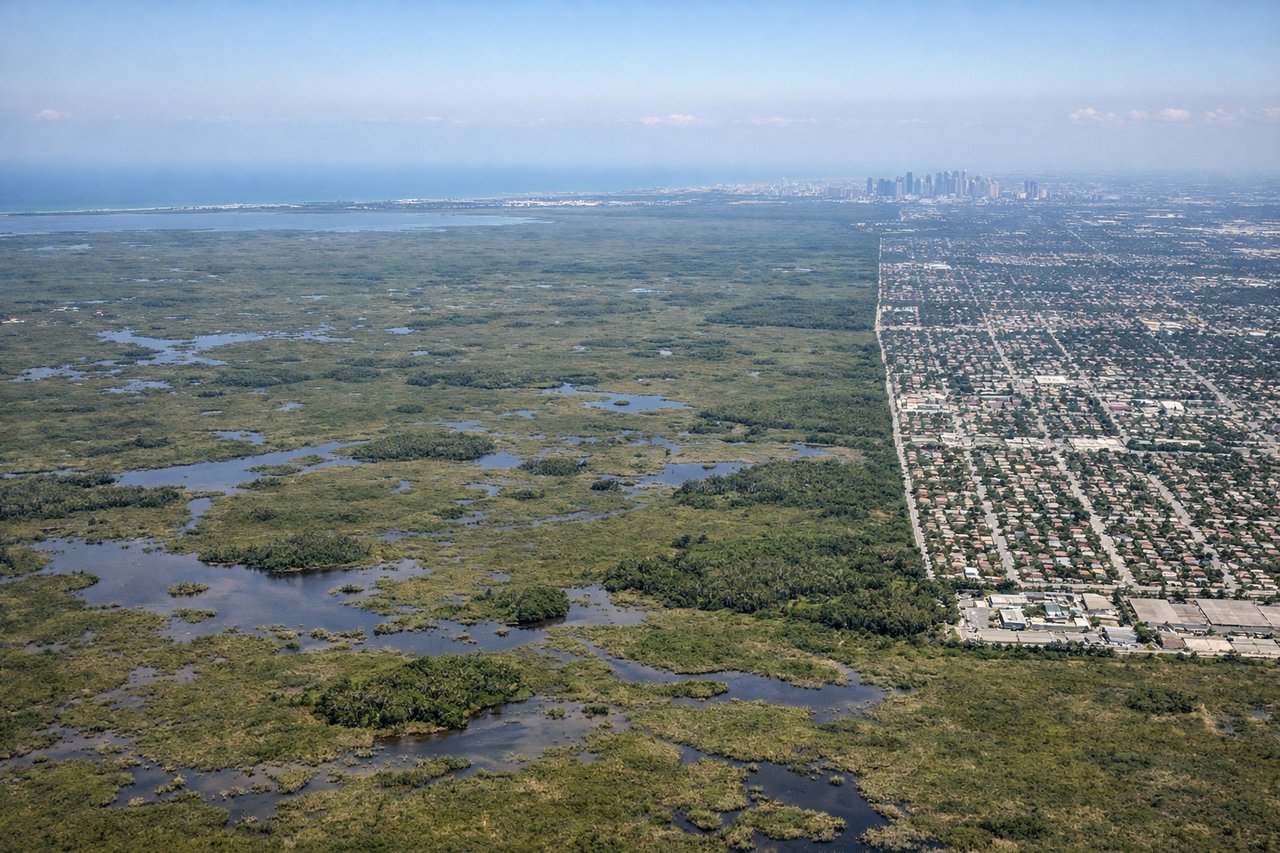
LEFTMIA's primary arrival from the west uses runway 09, meaning the aircraft approaches from the west-southwest over the Everglades. A left-side seat faces south and captures the extraordinary contrast between the dark sawgrass prairies of the Everglades and the dense Miami urban grid as the plane descends over the city.
Landmarks on this routeAll landmarks →
Will your flight be in sunlight?
Pick a date and time in the Sun Map to watch the sun move across your whole flight.
About This Route
Which side of the plane should I sit on flying from Don Miguel Y Hidalgo International (GDL) to Miami International (MIA)?
Sit on the Left side of the plane for the best views on flights from Guadalajara to Miami. While the right side wins at takeoff with Lago de Chapala and the volcanic highlands, the left side dominates the majority of the flight. Over the Gulf of Mexico the left side faces south toward the Yucatan Peninsula coastline visible in the distance, and the Miami arrival on the left delivers one of the most visually dramatic urban-meets-wilderness approaches in North America with the Everglades-to-city transition.
What can I see during takeoff from Don Miguel Y Hidalgo International in Guadalajara?
During takeoff from Don Miguel Y Hidalgo International (GDL), sit on the Right side for the best views. GDL's primary departure runway 28 sends the aircraft westward before turning northeast, and a right-side seat captures the city of Guadalajara spread across the valley below, plus the volcanic highlands to the south. The Sierra Madre Occidental ridgelines are clearly visible to the north-northwest from the right side during the climbing turn toward the northeast. Notable sights include: Guadalajara urban grid and Tlaquepaque district below, Lago de Chapala (Mexico's largest lake) to the southeast, Sierra Madre Occidental ridgelines to the north, Tequila Volcano (Volcán de Tequila) cone to the northwest.
What can I see when landing at Miami International in Miami?
When landing at Miami International (MIA), sit on the Left side for the best views. MIA's primary arrival from the west uses runway 09, meaning the aircraft approaches from the west-southwest over the Everglades. A left-side seat faces south and captures the extraordinary contrast between the dark sawgrass prairies of the Everglades and the dense Miami urban grid as the plane descends over the city. Notable sights include: Florida Everglades sawgrass marshes and water sloughs, Miami urban grid and downtown skyline, Biscayne Bay and the barrier islands of Miami Beach, Port of Miami and MacArthur Causeway.
How long is the flight from Guadalajara to Miami?
The flight from Don Miguel Y Hidalgo International (GDL) to Miami International (MIA) takes about 3 hours 45 minutes. The shortest flight path between them is 1,505 miles (2,422 km); winds and air traffic control usually add a few percent.
What does the Guadalajara to Miami flight path pass over?
The route crosses the Sierra Madre Oriental foothills east of Guadalajara, then tracks over the Gulf of Mexico for a substantial portion of the flight. The Yucatan Peninsula may be faintly visible to the south on clear days. The Florida Straits and the southern tip of Florida are crossed on descent, with the flat limestone karst of the Florida Peninsula visible before the Everglades approach into MIA.