The left side wins because the Alps departure is a dramatic, sustained scenic sequence with a world-famous mountain backdrop, while the right side's reward is a brief, often hazy glimpse of the Manhattan skyline during final approach. Both sides share the same long, featureless Atlantic crossing, so the takeoff view is the deciding factor.
Flight Path
Mid-Atlantic Ocean crossing, passing near the southern coast of Ireland and the Grand Banks off Newfoundland before making landfall over Nova Scotia or the Gulf of Maine on the approach to New York
Great circle distance and headings ›_Panoramica_del_centro_della_citt%C3%A0_dal_lago.jpg?width=600)

.jpg?width=600)
Phase by phase
Takeoff from GVA
LEFTDeparting GVA on runway 22, the aircraft climbs southwest before banking right onto its transatlantic heading, which swings the Mont Blanc massif and the rest of the western Alps into view on the left side. This is one of the most famous scenic departures in Europe on a clear day.
Landing at JFK
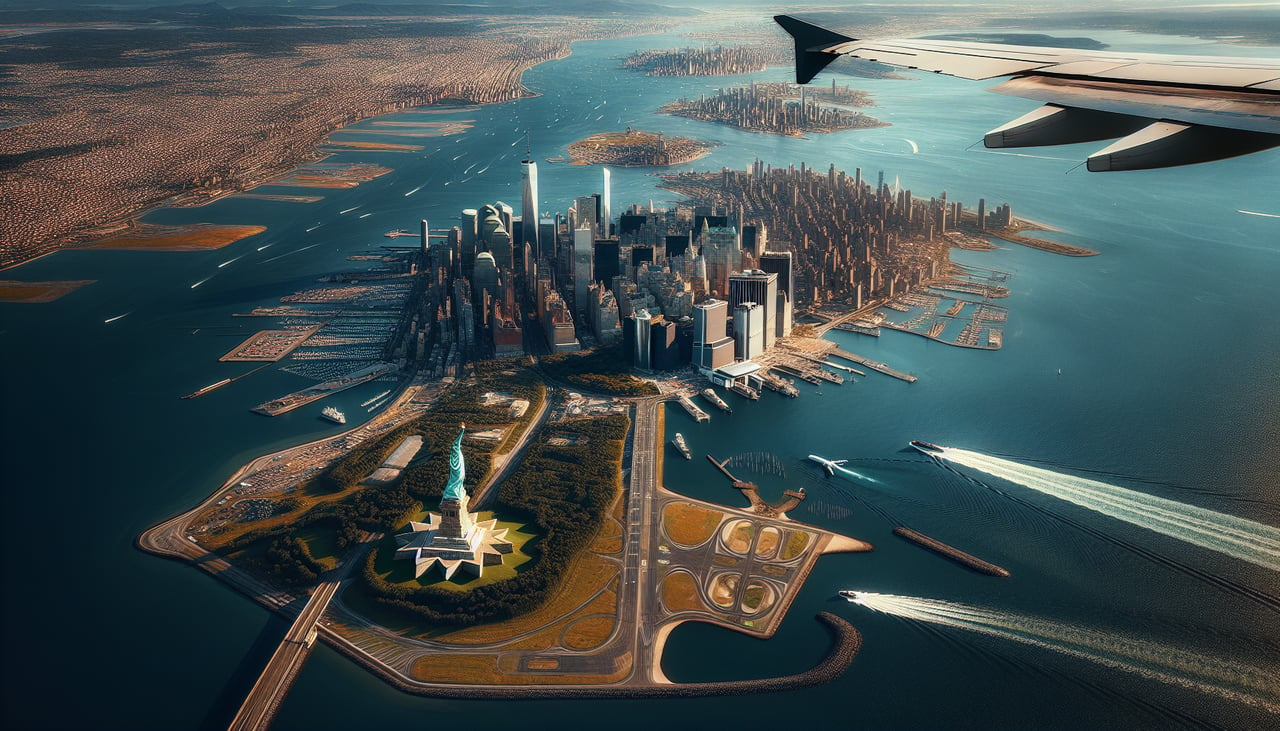
RIGHTArrivals into JFK on runways 22L/22R come in from the northeast, so as the aircraft aligns for final approach heading southwest, the Manhattan skyline and Long Island Sound sit off to the right side. It's a brief but recognizable urban view compared to the featureless Atlantic on the opposite side.
Landmarks on this routeAll landmarks →
Will your flight be in sunlight?
See exactly which side of the plane gets sun and shade at your departure time.
About This Route
Which side of the plane should I sit on flying from Geneva Cointrin (GVA) to John F Kennedy International (JFK)?
Sit on the Left side of the plane for the best views on flights from Geneva to New York. The left side wins because the Alps departure is a dramatic, sustained scenic sequence with a world-famous mountain backdrop, while the right side's reward is a brief, often hazy glimpse of the Manhattan skyline during final approach. Both sides share the same long, featureless Atlantic crossing, so the takeoff view is the deciding factor.
What can I see during takeoff from Geneva Cointrin in Geneva?
During takeoff from Geneva Cointrin (GVA), sit on the Left side for the best views. Departing GVA on runway 22, the aircraft climbs southwest before banking right onto its transatlantic heading, which swings the Mont Blanc massif and the rest of the western Alps into view on the left side. This is one of the most famous scenic departures in Europe on a clear day. Notable sights include: Mont Blanc massif, Lake Geneva (Lac Léman), Chamonix valley peaks, Jura foothills fading behind.
What can I see when landing at John F Kennedy International in New York?
When landing at John F Kennedy International (JFK), sit on the Right side for the best views. Arrivals into JFK on runways 22L/22R come in from the northeast, so as the aircraft aligns for final approach heading southwest, the Manhattan skyline and Long Island Sound sit off to the right side. It's a brief but recognizable urban view compared to the featureless Atlantic on the opposite side. Notable sights include: Manhattan skyline, Long Island Sound, Throgs Neck and Whitestone bridges, Jamaica Bay wetlands near JFK.
How long is the flight from Geneva to New York?
The flight from Geneva Cointrin (GVA) to John F Kennedy International (JFK) takes 9h 40m.
What does the Geneva to New York flight path pass over?
Mid-Atlantic Ocean crossing, passing near the southern coast of Ireland and the Grand Banks off Newfoundland before making landfall over Nova Scotia or the Gulf of Maine on the approach to New York