The northbound departure offers superior scenery with the Red Sea coastline and Jeddah's waterfront, which provides more visual interest than the landing approach. The takeoff views are more dramatic and sustained during climb-out.
Flight Path
The flight path crosses the Tihamat al-Hijaz coastal plain transitioning to the Hijaz highlands. En route, you'll pass over the arid plateau terrain between the two cities, with scattered wadis (dry riverbeds) visible as linear features cutting through the tan landscape. The terrain gradually rises from sea level at Jeddah to approximately 2,000 feet elevation at Madinah. No major water bodies or significant urban centers lie directly on the typical flight corridor between these two cities.
Great circle distance and headings ›Phase by phase
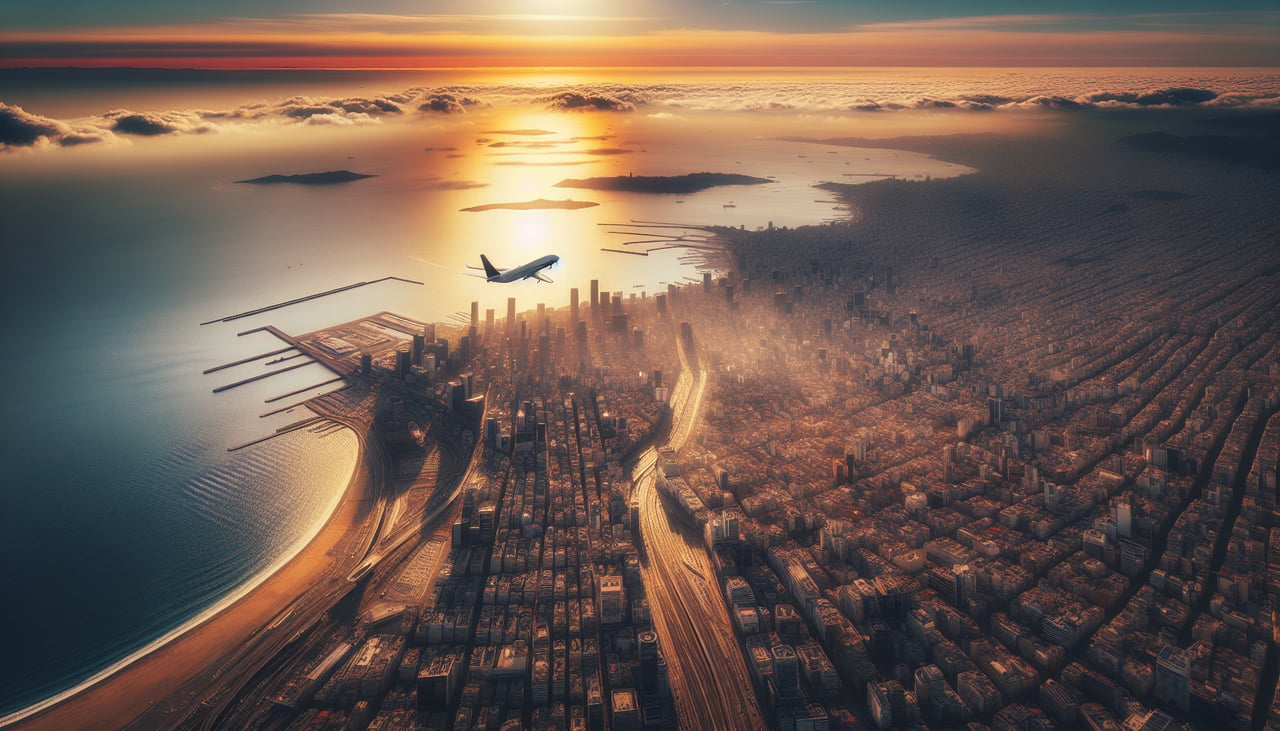
Takeoff from JED
RIGHTRight-side seats offer views of the Red Sea coastline and Jeddah's waterfront as the aircraft climbs northward. The sea provides clear visual contrast against the arid terrain, and you'll see the city's urban sprawl receding below.
Landing at MED
LEFTLeft-side seats provide views of the Madinah plateau and surrounding volcanic terrain during the descent approach from the south. You'll see the distinctive dark lava fields and the city nestled in its elevated basin before touchdown.
Will your flight be in sunlight?
See exactly which side of the plane gets sun and shade at your departure time.
About This Route
Which side of the plane should I sit on flying from King Abdulaziz International (JED) to Prince Mohammad Bin Abdulaziz (MED)?
Sit on the Right side of the plane for the best views on flights from Jeddah to Madinah. The northbound departure offers superior scenery with the Red Sea coastline and Jeddah's waterfront, which provides more visual interest than the landing approach. The takeoff views are more dramatic and sustained during climb-out.
What can I see during takeoff from King Abdulaziz International in Jeddah?
During takeoff from King Abdulaziz International (JED), sit on the Right side for the best views. Right-side seats offer views of the Red Sea coastline and Jeddah's waterfront as the aircraft climbs northward. The sea provides clear visual contrast against the arid terrain, and you'll see the city's urban sprawl receding below. Notable sights include: Red Sea coastline, Jeddah city grid and harbor, Asir Mountains (distant southern horizon), coastal sabkha flats.
What can I see when landing at Prince Mohammad Bin Abdulaziz in Madinah?
When landing at Prince Mohammad Bin Abdulaziz (MED), sit on the Left side for the best views. Left-side seats provide views of the Madinah plateau and surrounding volcanic terrain during the descent approach from the south. You'll see the distinctive dark lava fields and the city nestled in its elevated basin before touchdown. Notable sights include: Madinah plateau and city center, Harrat Rahat volcanic field (dark basalt flows), Uhud Mountain (north of city), surrounding arid highlands.
How long is the flight from Jeddah to Madinah?
The flight from King Abdulaziz International (JED) to Prince Mohammad Bin Abdulaziz (MED) takes 1h 15m.
What does the Jeddah to Madinah flight path pass over?
The flight path crosses the Tihamat al-Hijaz coastal plain transitioning to the Hijaz highlands. En route, you'll pass over the arid plateau terrain between the two cities, with scattered wadis (dry riverbeds) visible as linear features cutting through the tan landscape. The terrain gradually rises from sea level at Jeddah to approximately 2,000 feet elevation at Madinah. No major water bodies or significant urban centers lie directly on the typical flight corridor between these two cities.