New York to Calcutta is 7,917 miles (12,741 km), a flight of about 16 hours 30 minutes.
While the takeoff offers interesting coastal views, the landing approach provides more dramatic and sustained scenery. The Hooghly River delta and Calcutta's urban geography are visually distinctive and occupy a larger portion of the descent. Right seats also capture better views of the transition from the Gangetic plains into the city.
Flight Path
The flight path crosses the Atlantic, then over Europe (Alps visible on clear days), the Mediterranean, Middle East (Persian Gulf, Zagros Mountains), Arabian Sea, and finally the Indian subcontinent. Most dramatic midpoint features include the Zagros Mountains in Iran (visible around 8-10 hours into flight), the Arabian Peninsula's eastern coast, and the Western Ghats mountains as you approach India's west coast before turning toward Calcutta.
Great circle distance and headings ›.jpg?width=600)
.jpeg?width=600)

.jpg?width=600)


Phase by phase
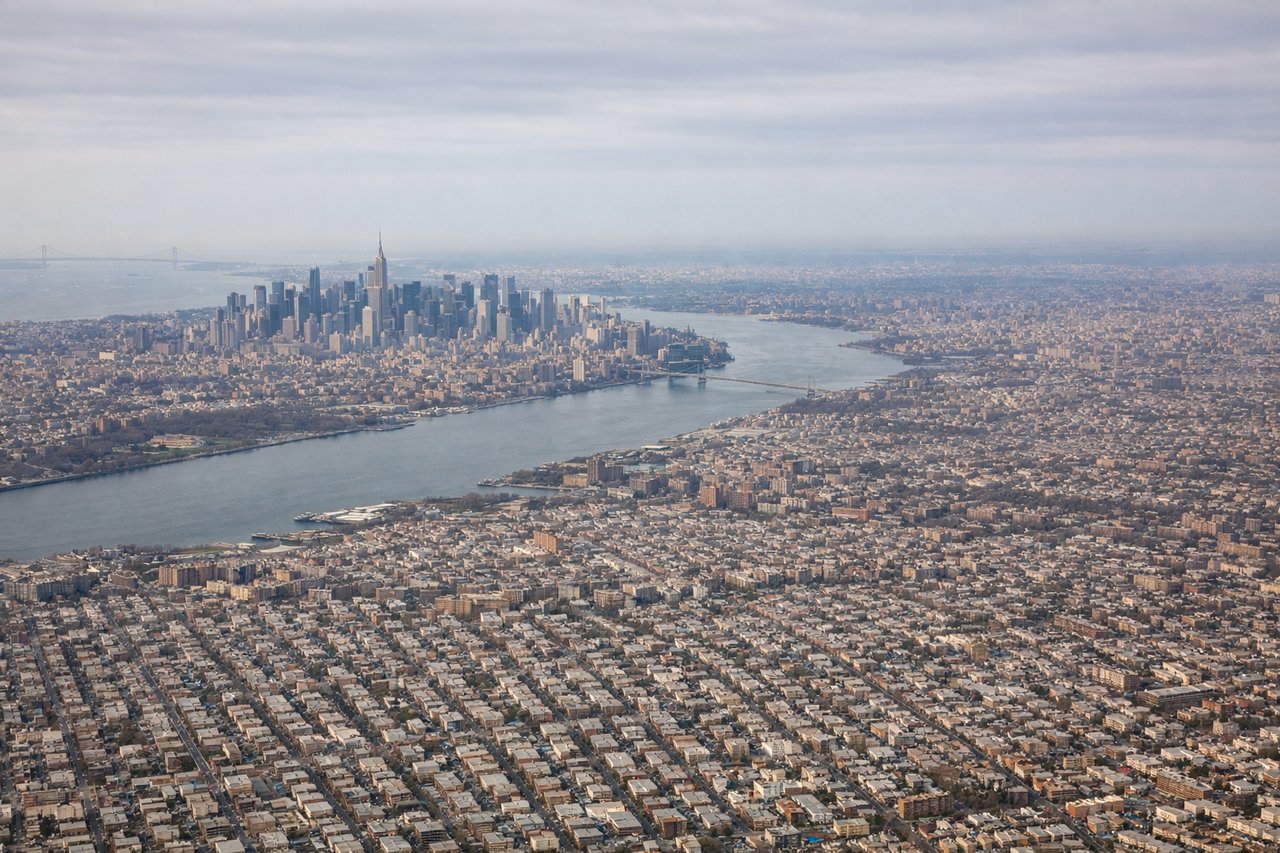
Takeoff from JFK
LEFTLeft seats offer views of Long Island Sound and the Connecticut coastline during the initial climb-out heading east-northeast. You'll see the irregular shoreline and barrier islands that define the New York area's eastern approach corridor.
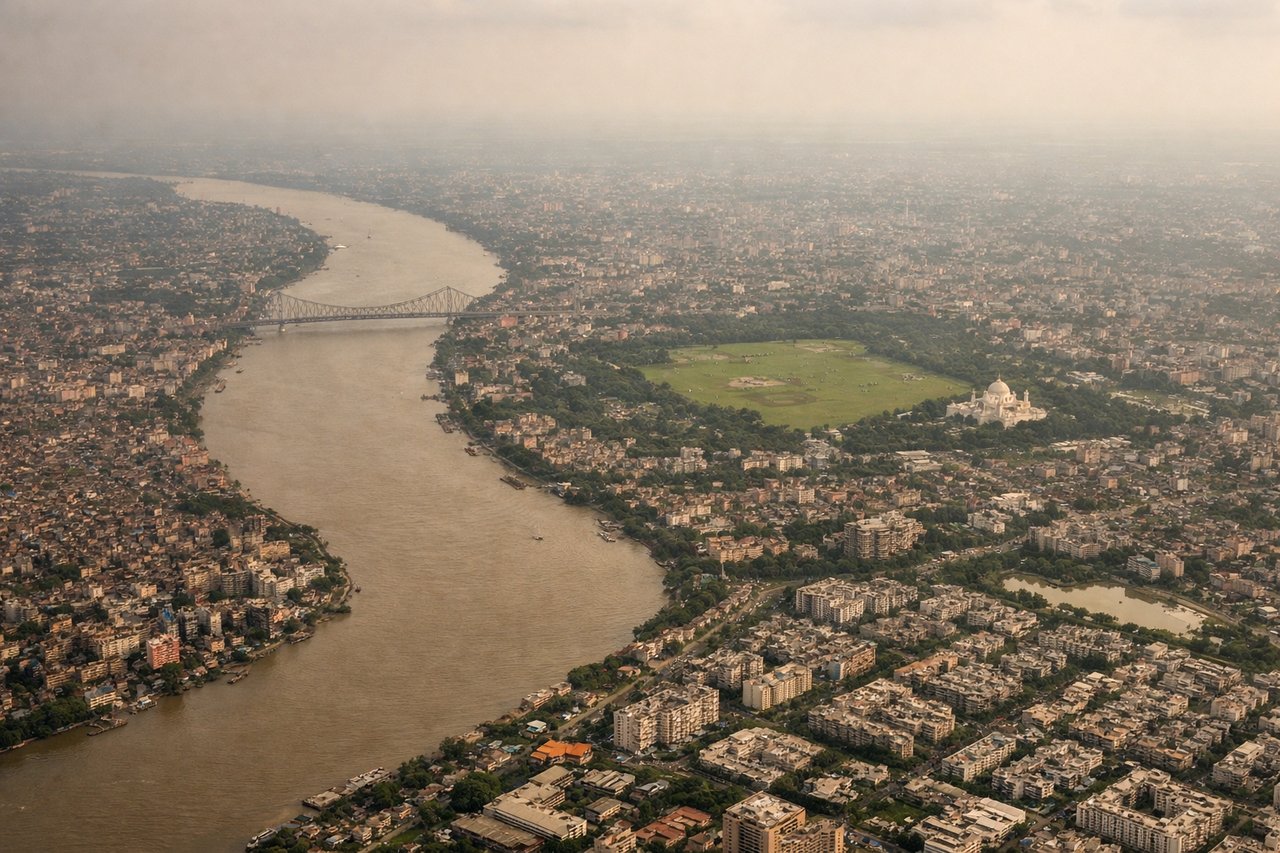
Landing at CCU
RIGHTRight seats provide excellent views of the Hooghly River delta and Calcutta's urban sprawl during the descent approach from the northwest. The river's distinctive meanders and the city's grid pattern are clearly visible at 8,000-12,000 feet.
Landmarks on this routeAll landmarks →
Will your flight be in sunlight?
Pick a date and time in the Sun Map to watch the sun move across your whole flight.
About This Route
Which side of the plane should I sit on flying from John F Kennedy International (JFK) to Netaji Subhash Chandra Bose International (CCU)?
Sit on the Right side of the plane for the best views on flights from New York to Calcutta. While the takeoff offers interesting coastal views, the landing approach provides more dramatic and sustained scenery. The Hooghly River delta and Calcutta's urban geography are visually distinctive and occupy a larger portion of the descent. Right seats also capture better views of the transition from the Gangetic plains into the city.
What can I see during takeoff from John F Kennedy International in New York?
During takeoff from John F Kennedy International (JFK), sit on the Left side for the best views. Left seats offer views of Long Island Sound and the Connecticut coastline during the initial climb-out heading east-northeast. You'll see the irregular shoreline and barrier islands that define the New York area's eastern approach corridor. Notable sights include: Long Island Sound, Connecticut coastline, Jamaica Bay marshlands, Atlantic barrier islands.
What can I see when landing at Netaji Subhash Chandra Bose International in Calcutta?
When landing at Netaji Subhash Chandra Bose International (CCU), sit on the Right side for the best views. Right seats provide excellent views of the Hooghly River delta and Calcutta's urban sprawl during the descent approach from the northwest. The river's distinctive meanders and the city's grid pattern are clearly visible at 8,000-12,000 feet. Notable sights include: Hooghly River with its characteristic bends, Calcutta urban grid, Sundarbans mangrove delta to the south, Bengal plains.
How long is the flight from New York to Calcutta?
The flight from John F Kennedy International (JFK) to Netaji Subhash Chandra Bose International (CCU) takes about 16 hours 30 minutes. The shortest flight path between them is 7,917 miles (12,741 km); winds and air traffic control usually add a few percent.
What does the New York to Calcutta flight path pass over?
The flight path crosses the Atlantic, then over Europe (Alps visible on clear days), the Mediterranean, Middle East (Persian Gulf, Zagros Mountains), Arabian Sea, and finally the Indian subcontinent. Most dramatic midpoint features include the Zagros Mountains in Iran (visible around 8-10 hours into flight), the Arabian Peninsula's eastern coast, and the Western Ghats mountains as you approach India's west coast before turning toward Calcutta.