The left side wins overall due to the spectacular New York departure views. The flight tracks southeast across the Atlantic, then over West and Central Africa, so neither side has a decisive advantage over the ocean. However, the left seat's Manhattan and harbor views at takeoff are among the best urban departures in aviation and tip the balance.
Flown JFK to LUN? Did we get it right?
Flight Path
New York to Lusaka is 7,538 miles (12,132 km), a flight of about 16 hours 30 minutes.
The route crosses the mid-Atlantic, passes over or near the Gulf of Guinea coast of West Africa (Nigeria, Cameroon), then tracks southeast over the Congo Basin rainforest — the world's second-largest tropical forest visible as an unbroken dark green canopy — before crossing into the Zambian plateau. The Congo River's broad meanders may be visible in clear conditions. The Sahara is not typically overflown on this routing.
Great circle distance and headings ›


Phase by phase
Takeoff from JFK
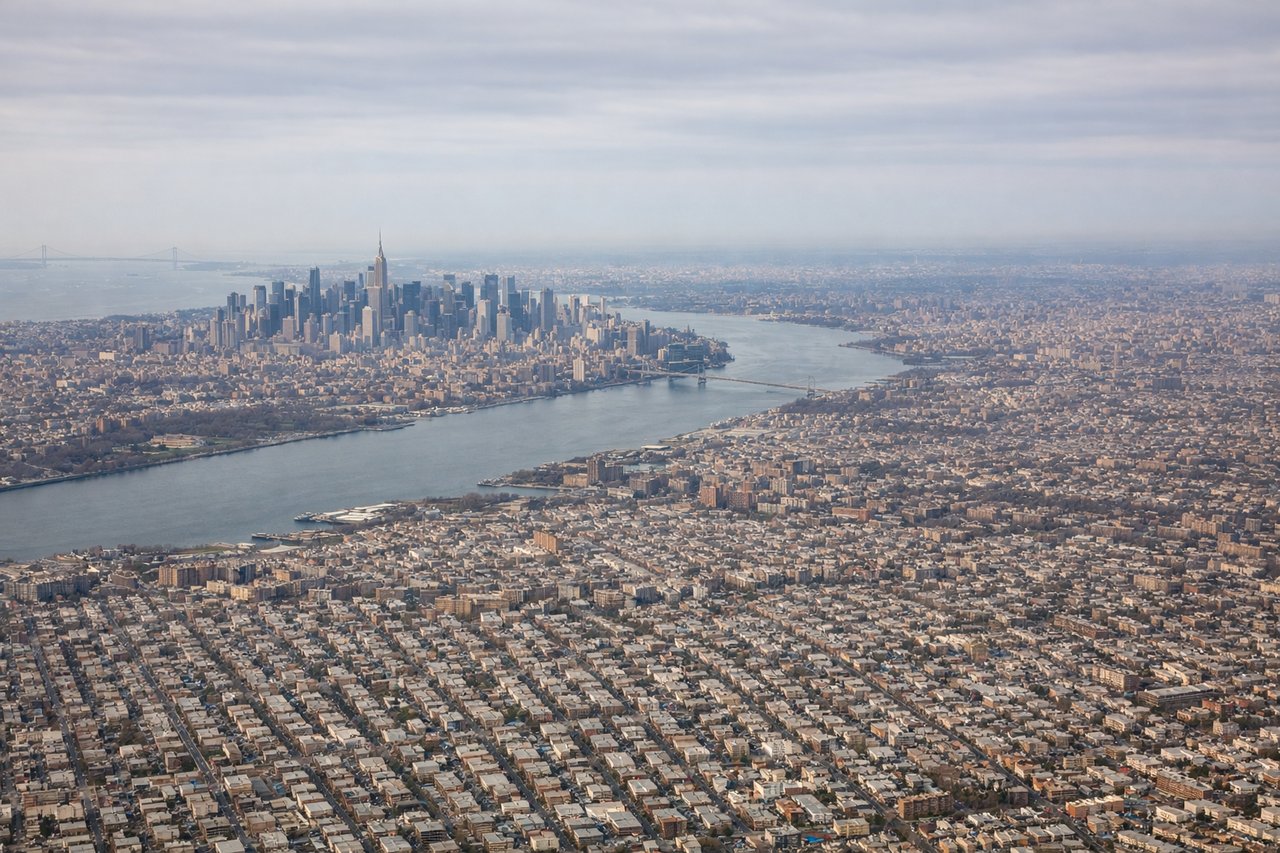
LEFTJFK typically departs east or northeast over Jamaica Bay and the Atlantic. A left/north-facing seat gives you the Manhattan skyline, the Verrazano-Narrows Bridge, and the full sweep of New York Harbor as the aircraft climbs and turns. Right seats look out over the open Atlantic with little of interest.
Landing at LUN
RIGHTLusaka's runway 10/28 means arrivals typically come in from the west on runway 10, heading east. A right/south-facing seat on approach gives views over the Kafue Flats wetlands and the broad flat Zambian plateau. Left seats look north over less distinctive terrain. On runway 28 arrivals from the east, right seats still face south toward the more open savanna.
Will your flight be in sunlight?
Pick a date and time in the Sun Map to watch the sun move across your whole flight.
About This Route
Which side of the plane should I sit on flying from John F Kennedy International (JFK) to Kenneth Kaunda International Airport (LUN)?
Sit on the Left side of the plane for the best views on flights from New York to Lusaka. The left side wins overall due to the spectacular New York departure views. The flight tracks southeast across the Atlantic, then over West and Central Africa, so neither side has a decisive advantage over the ocean. However, the left seat's Manhattan and harbor views at takeoff are among the best urban departures in aviation and tip the balance.
What can I see during takeoff from John F Kennedy International in New York?
During takeoff from John F Kennedy International (JFK), sit on the Left side for the best views. JFK typically departs east or northeast over Jamaica Bay and the Atlantic. A left/north-facing seat gives you the Manhattan skyline, the Verrazano-Narrows Bridge, and the full sweep of New York Harbor as the aircraft climbs and turns. Right seats look out over the open Atlantic with little of interest. Notable sights include: Manhattan skyline, Verrazano-Narrows Bridge, New York Harbor, Jamaica Bay wildlife refuge grid of channels.
What can I see when landing at Kenneth Kaunda International Airport in Lusaka?
When landing at Kenneth Kaunda International Airport (LUN), sit on the Right side for the best views. Lusaka's runway 10/28 means arrivals typically come in from the west on runway 10, heading east. A right/south-facing seat on approach gives views over the Kafue Flats wetlands and the broad flat Zambian plateau. Left seats look north over less distinctive terrain. On runway 28 arrivals from the east, right seats still face south toward the more open savanna. Notable sights include: Kafue River floodplains, Lusaka urban grid and red-earth suburbs, Zambian miombo woodland plateau, Kafue National Park boundary wetlands in the distance.
How long is the flight from New York to Lusaka?
The flight from John F Kennedy International (JFK) to Kenneth Kaunda International Airport (LUN) takes about 16 hours 30 minutes. The shortest flight path between them is 7,538 miles (12,132 km); winds and air traffic control usually add a few percent.
What does the New York to Lusaka flight path pass over?
The route crosses the mid-Atlantic, passes over or near the Gulf of Guinea coast of West Africa (Nigeria, Cameroon), then tracks southeast over the Congo Basin rainforest — the world's second-largest tropical forest visible as an unbroken dark green canopy — before crossing into the Zambian plateau. The Congo River's broad meanders may be visible in clear conditions. The Sahara is not typically overflown on this routing.