Reykjanes Peninsula coastline, Atlantic Ocean to the west, geothermal steam vents near Svartsengi
Reykjanes Peninsula lava fields, Atlantic Ocean coastline to the west, geothermal steam vents near Grindavík area
🛫 Taking Off from Keflavik (KEF)
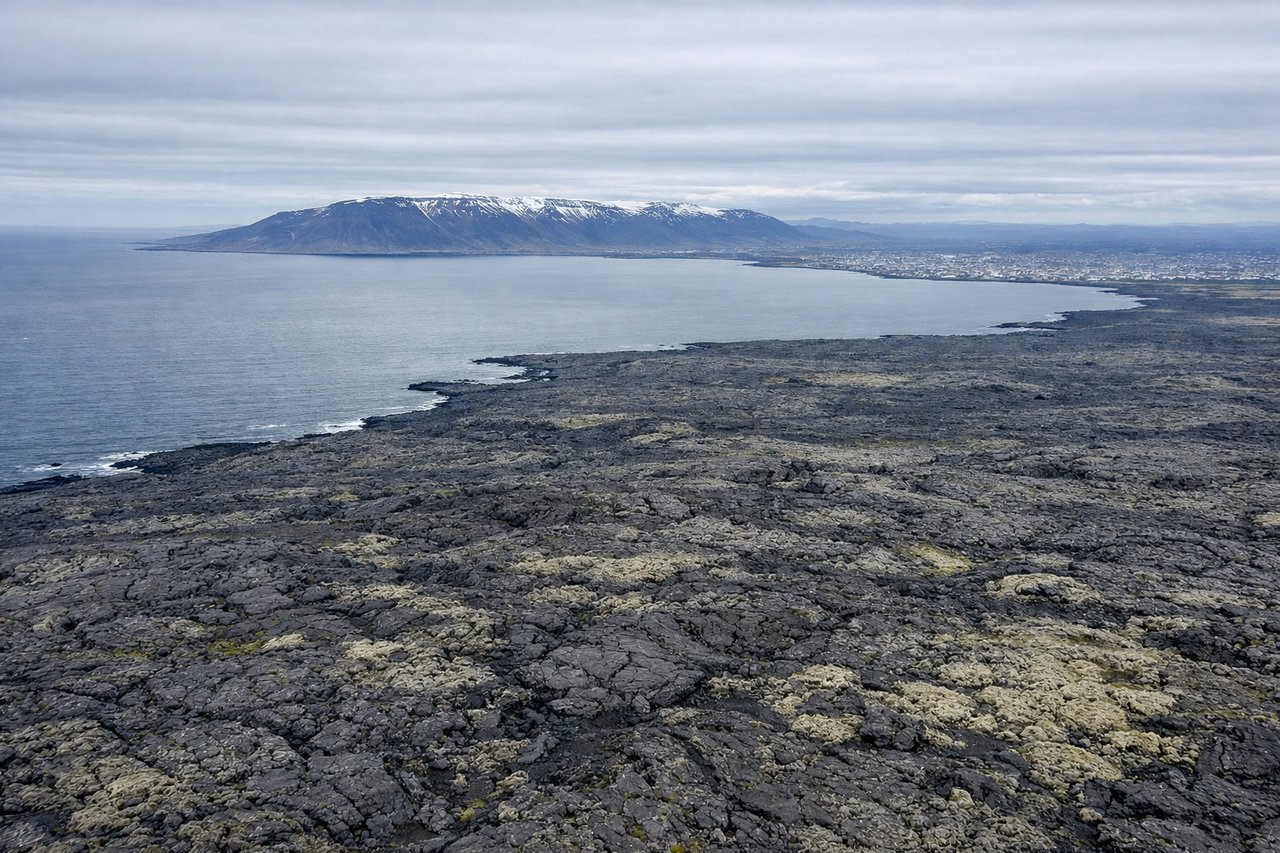 Left Side
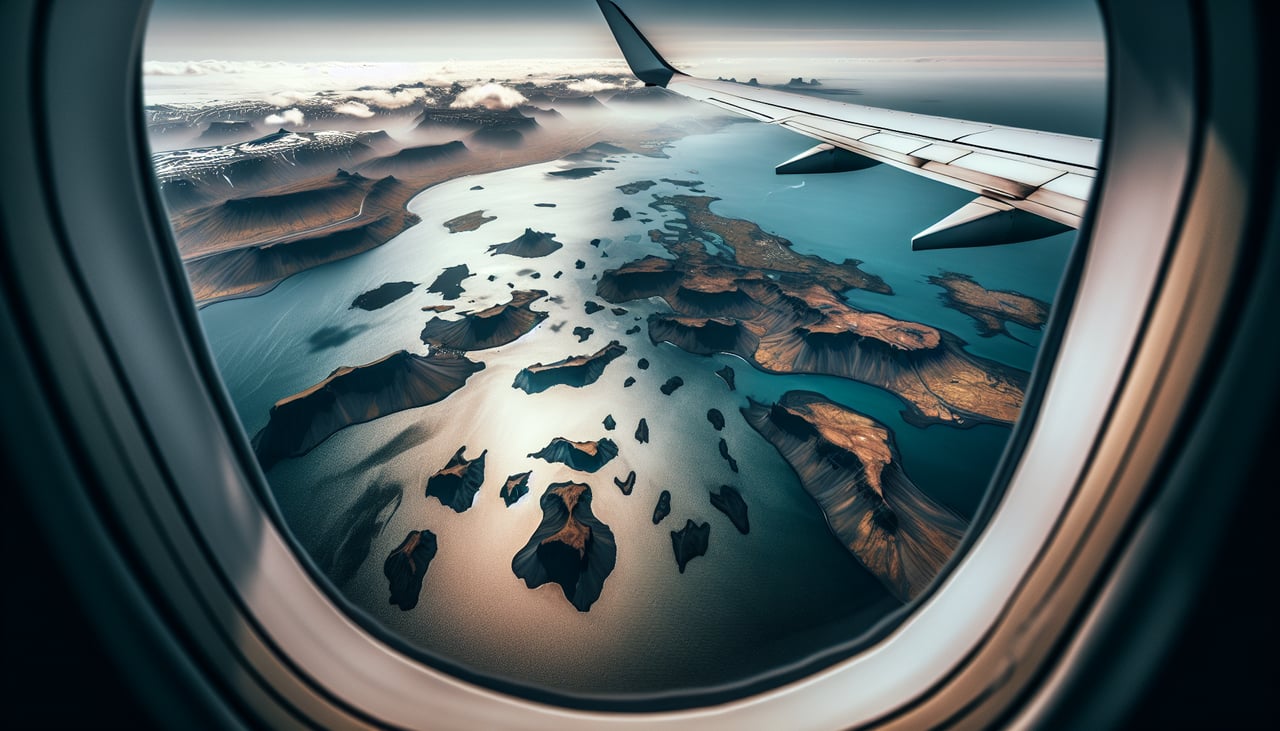 Right Side
🛬 Landing at Keflavik (KEF)
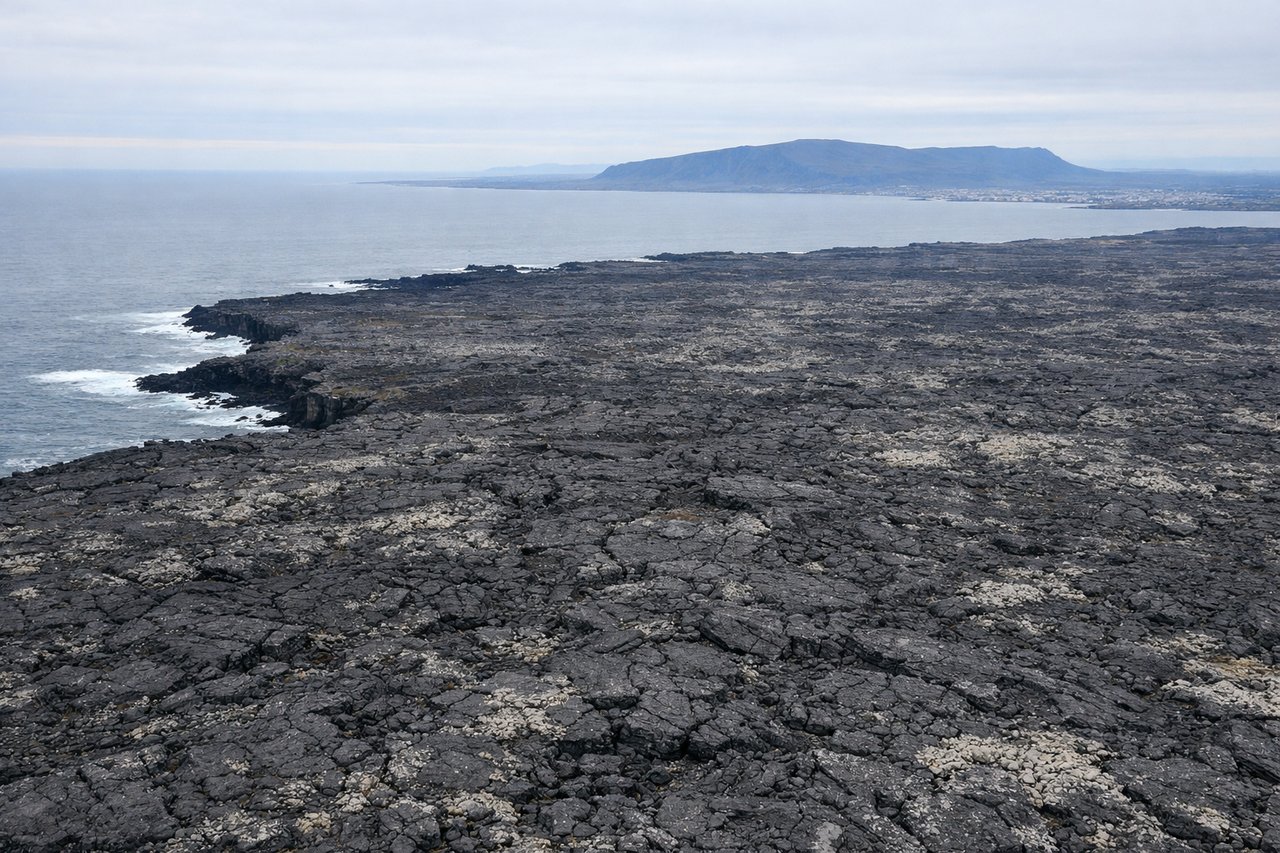 Left Side
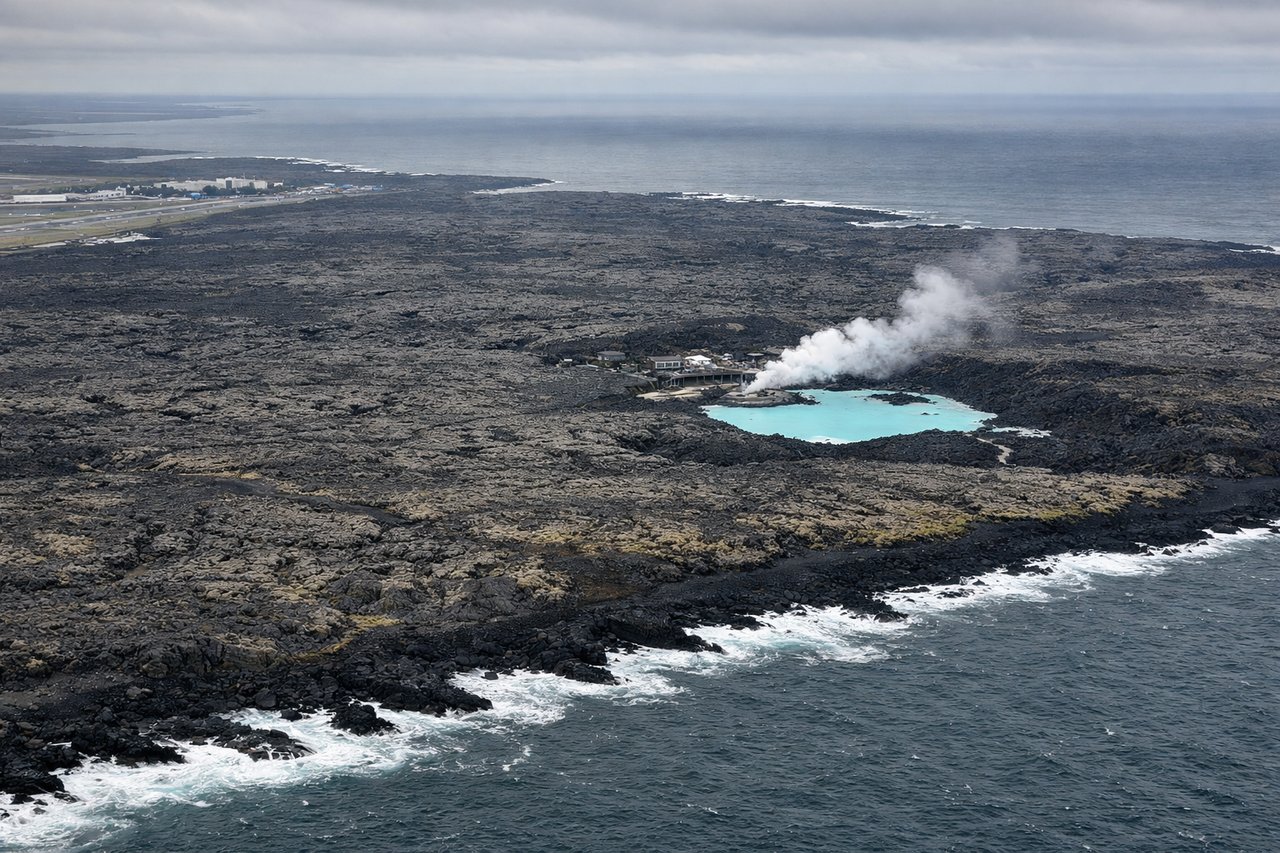 Right Side
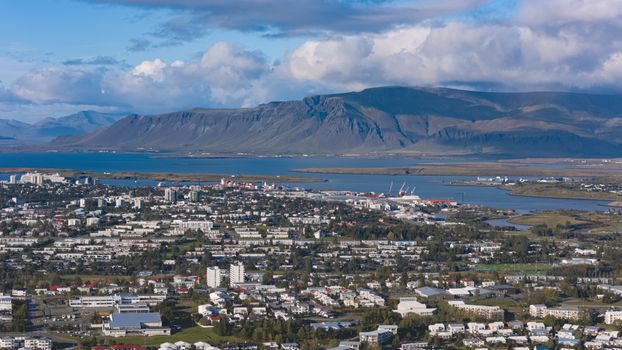 Photo: Gylfi Gylfason
Keflavik International Airport is Iceland's main gateway, with a single main terminal handling both domestic-feel regional traffic and heavy transatlantic connections. It's built around Icelandair and PLAY's strategy of connecting North America and Europe via Iceland, so the airport sees a high volume of connecting passengers relative to the country's small population.
Landmarks on routes from KeflavikAll landmarks →
Popular Routes from Keflavik Nas (KEF)
North America
Europe
South America
Africa
About This Airport
Which side of the plane has the best views at Keflavik Nas (KEF)?
At Keflavik Nas in Keflavik: for takeoff, sit on the Left side; for landing, sit on the Left side. Notable views include: Reykjanes Peninsula coastline, Atlantic Ocean to the west, geothermal steam vents near Svartsengi, distant Snæfellsjökull glacier (visible on clear days to the northeast on the right, but left side captures the immediate dramatic terrain).
What can I see during takeoff from Keflavik Nas in Keflavik?
When taking off from Keflavik Nas (KEF), sit on the Left side for the best views. Runway 19 departures head south-southwest, placing the Reykjanes Peninsula and its dramatic coastal cliffs on your left side during initial climb. The left side also offers views of the Atlantic coastline and the geothermal features of the peninsula as you gain altitude. Notable sights include: Reykjanes Peninsula coastline, Atlantic Ocean to the west, geothermal steam vents near Svartsengi, distant Snæfellsjökull glacier (visible on clear days to the northeast on the right, but left side captures the immediate dramatic terrain).
What can I see when landing at Keflavik Nas in Keflavik?
When landing at Keflavik Nas (KEF), sit on the Left side for the best views. Landing on runway 01 (northbound), the left side faces west toward the Atlantic coastline and the Reykjanes Peninsula's dramatic lava fields and geothermal features. You'll see the rugged volcanic terrain and coastal cliffs that define this region during final approach. Notable sights include: Reykjanes Peninsula lava fields (dark volcanic rock formations), Atlantic Ocean coastline to the west, geothermal steam vents near Grindavík area, Fagradalsfjall volcanic ridge.
What factors affect the best window seat at Keflavik Nas?
The best window seat at Keflavik Nas (KEF) depends on several factors: the typical runway used for your departure or arrival, the geographic features around Keflavik (mountains, coastlines, city skylines), weather conditions, and time of day. Morning and evening flights often offer the best lighting for scenic views.