Kobe city and port, Akashi Kaikyo Bridge, Awaji Island
Osaka Bay, Kobe city and port, Rokko mountain range
🛫 Taking Off from Osaka (KIX)
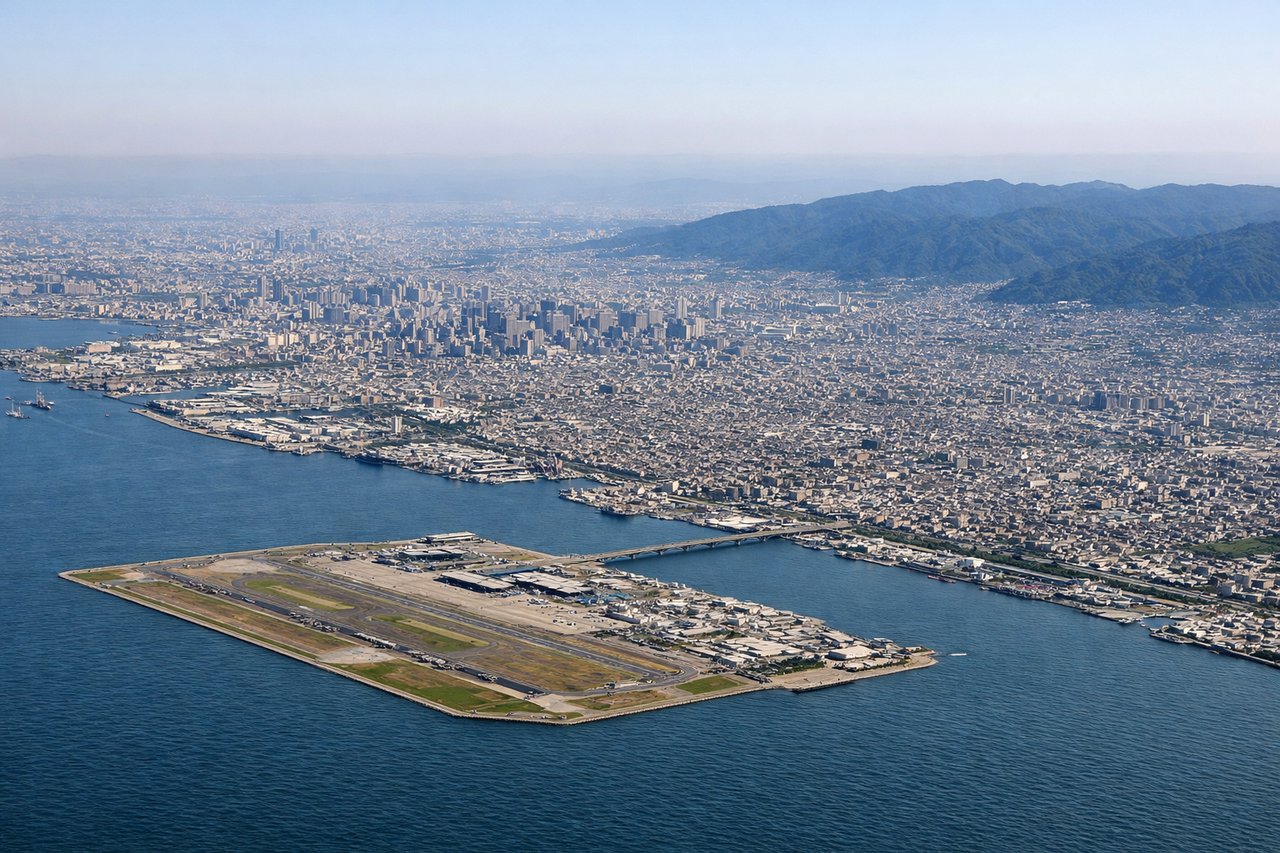 Right Side
🛬 Landing at Osaka (KIX)
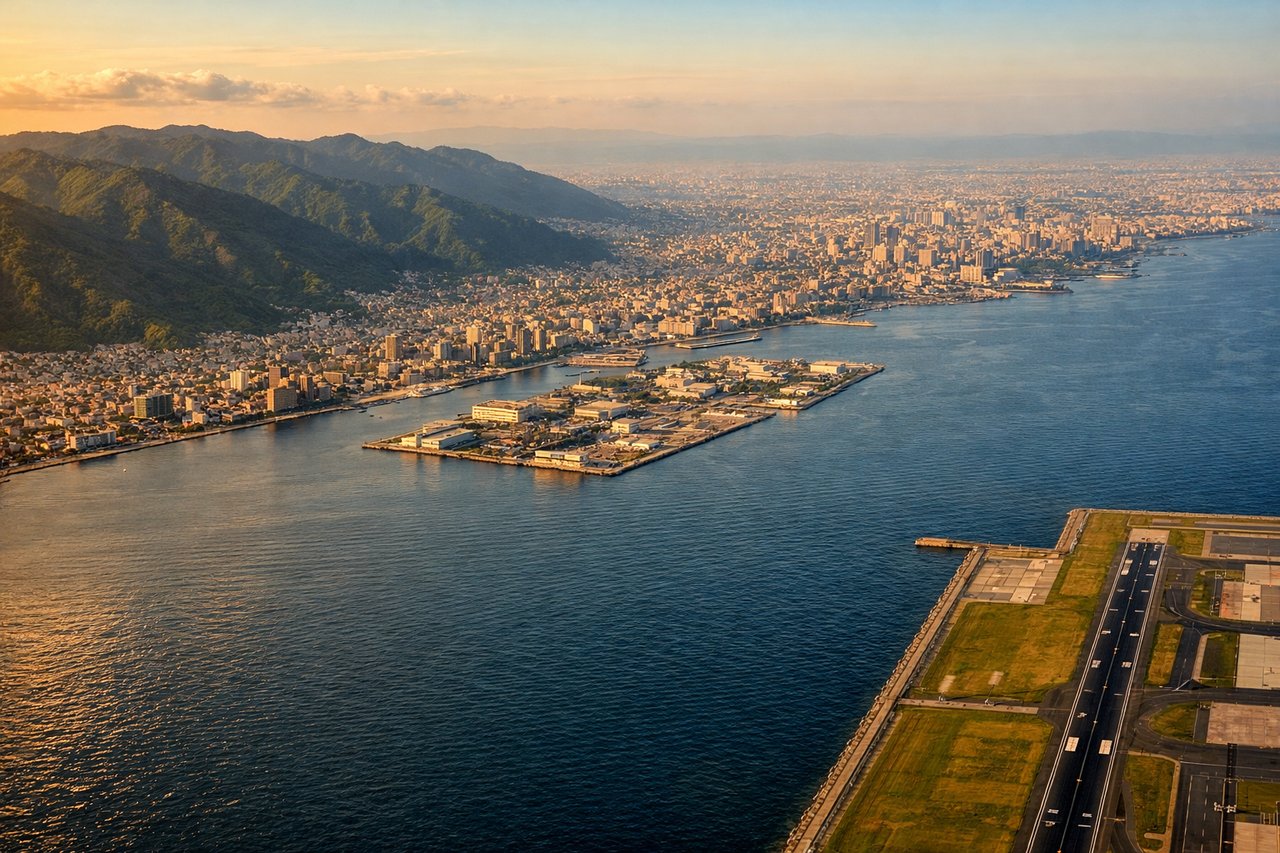 Left Side
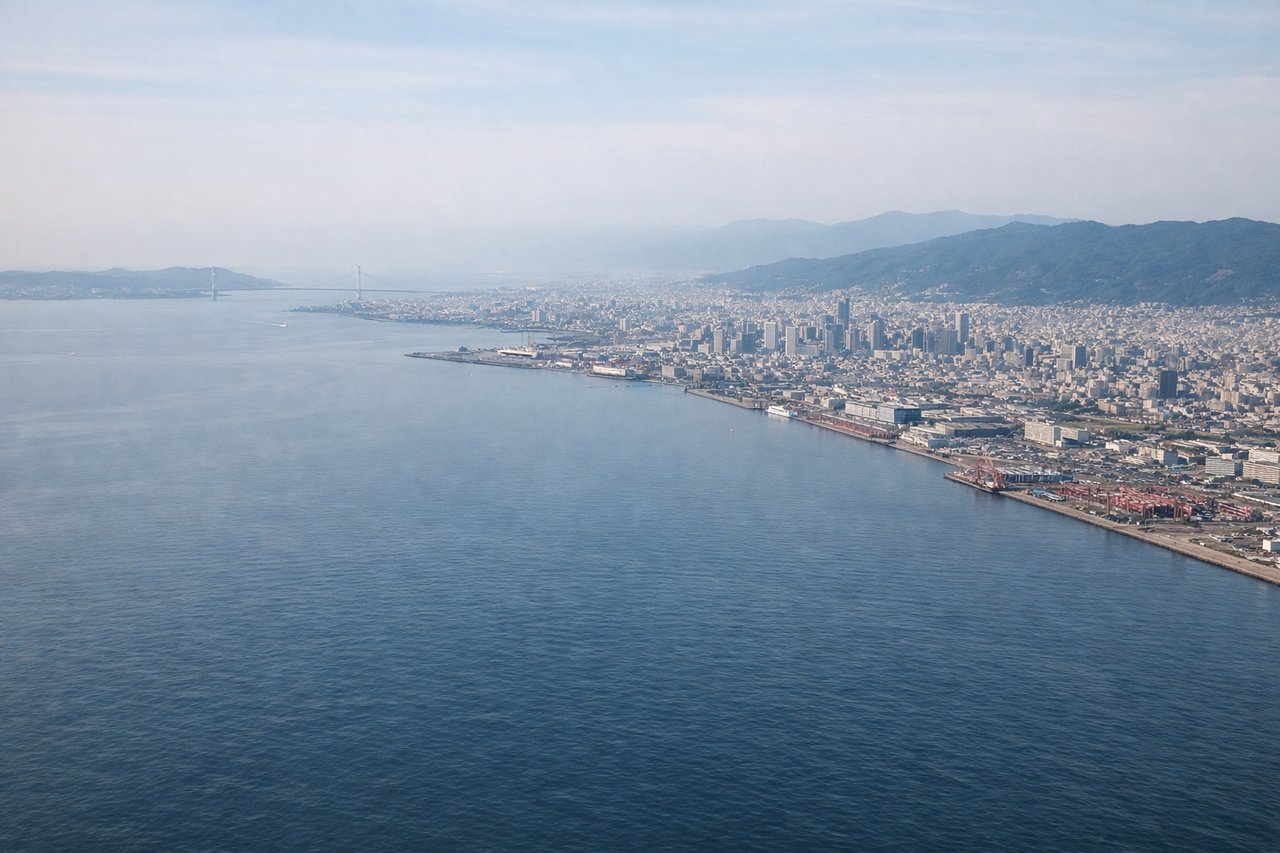 Right Side
KIX is built on an artificial island in Osaka Bay and operates 24/7 due to its offshore location, making it a key hub for late-night and early-morning flights. It has two terminals—Terminal 1 for most full-service carriers and Terminal 2 dedicated to low-cost carriers like Peach Aviation.
Landmarks on routes from OsakaAll landmarks →
Connecting at KIX?
Find out if your layover is long enough at Kansai International.
Check layover times →Popular Routes from Kansai International (KIX)
North America
Europe
Asia
Oceania
Africa
About This Airport
Which side of the plane has the best views at Kansai International (KIX)?
At Kansai International in Osaka: for takeoff, sit on the Right side; for landing, sit on the Right side. Notable views include: Kobe city and port, Akashi Kaikyo Bridge, Awaji Island, Rokko mountain range.
What can I see during takeoff from Kansai International in Osaka?
When taking off from Kansai International (KIX), sit on the Right side for the best views. Departing on runway 24L, the aircraft climbs out over Osaka Bay heading southwest, and the right side faces north toward the mainland. That's where you get Kobe's port and skyline, the Akashi Kaikyo Bridge linking to Awaji Island, and the Rokko mountain range in the distance, while the left side mostly shows open water and the hazy Kii Peninsula coastline. Notable sights include: Kobe city and port, Akashi Kaikyo Bridge, Awaji Island, Rokko mountain range.
What can I see when landing at Kansai International in Osaka?
When landing at Kansai International (KIX), sit on the Right side for the best views. Landing on runway 24R, you approach from the northeast and touch down heading southwest, with the final turn typically bringing the mainland into view on the right side. That side offers views across Osaka Bay toward Kobe, the Rokko mountain range, and the Osaka urban coastline as you descend onto the airport's artificial island. The left side mostly faces open bay water with little to see. Notable sights include: Osaka Bay, Kobe city and port, Rokko mountain range, Osaka city coastline.
What factors affect the best window seat at Kansai International?
The best window seat at Kansai International (KIX) depends on several factors: the typical runway used for your departure or arrival, the geographic features around Osaka (mountains, coastlines, city skylines), weather conditions, and time of day. Morning and evening flights often offer the best lighting for scenic views.