The right side delivers the most dramatic and varied terrain of the flight — the San Gabriel Mountains and Mojave Desert fringe right at takeoff — while the long mid-ocean Atlantic crossing neutralizes most of the cruise phase for both sides. The left side's payoff is a brief distant glimpse of Paris on landing, which doesn't offset the right side's stronger departure sequence.
Flight Path
Rocky Mountains near Colorado/Wyoming, the Great Plains, the Great Lakes (Lake Erie/Lake Ontario region), and the Quebec/Newfoundland coastline before the long North Atlantic crossing toward Ireland and the English Channel.
Great circle distance and headings ›.jpg?width=600)


.jpg?width=600)
.jpg?width=600)
Phase by phase
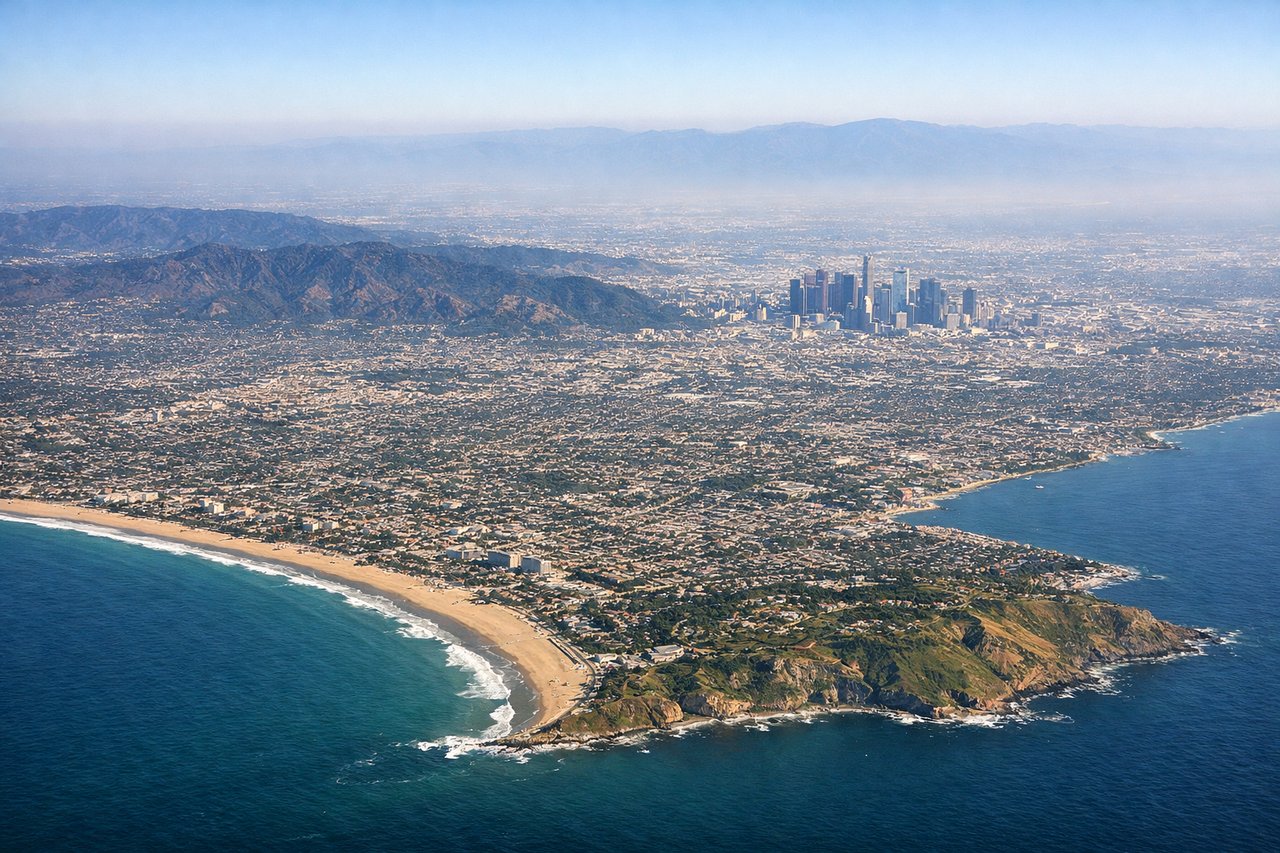
Takeoff from LAX
RIGHTAfter the west-flow departure and turn back over the Los Angeles basin, the aircraft's track angles northeast, putting the San Gabriel Mountains and the edge of the Mojave Desert on the right side. The left side mostly shows the flatter San Fernando Valley and Santa Monica Bay coastline receding behind.
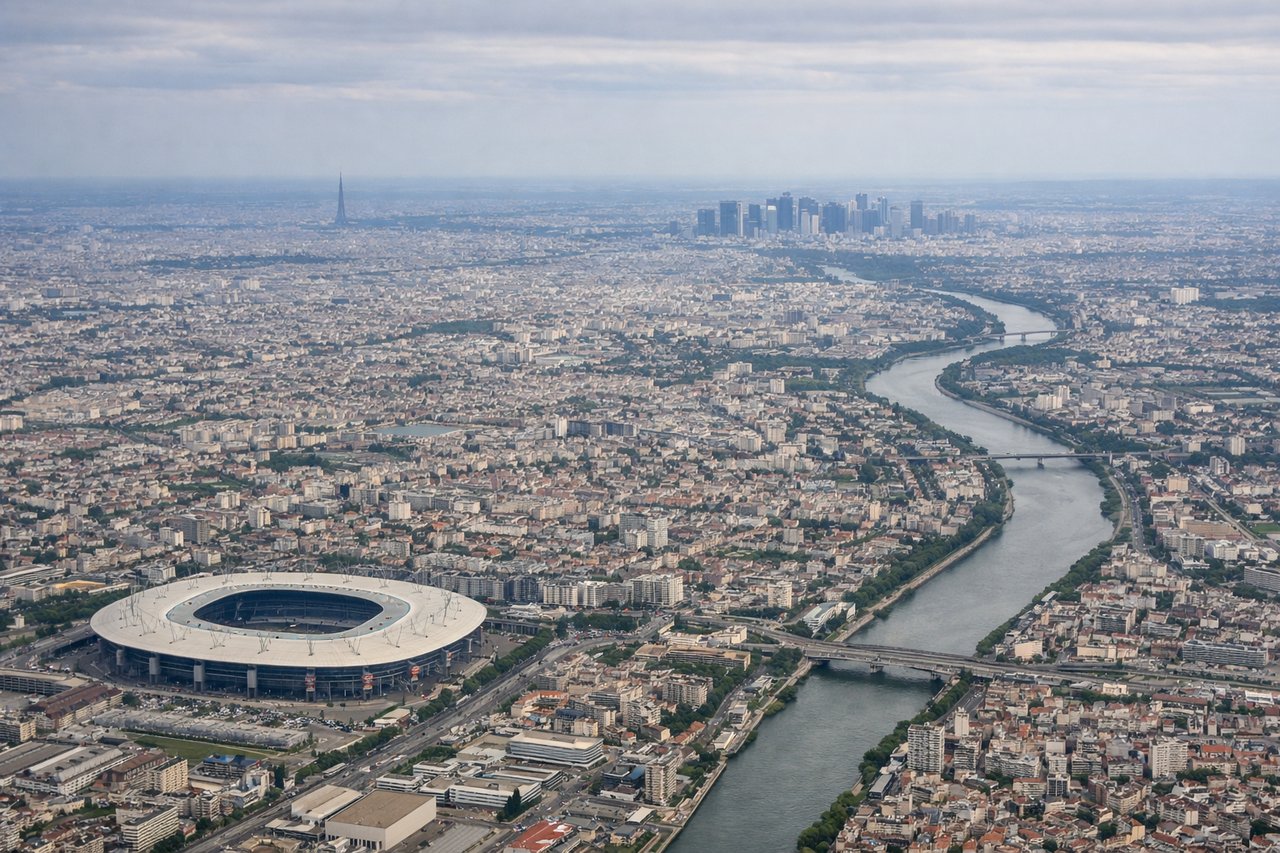
Landing at CDG
LEFTCDG's westerly landing configuration brings arrivals in from the east, and on final approach the descent path passes just north of Paris, putting the city skyline off the left side. The right side mostly shows flat Champagne countryside and the Marne valley with no major landmarks.
Landmarks on this routeAll landmarks →
Will your flight be in sunlight?
See exactly which side of the plane gets sun and shade at your departure time.
About This Route
Which side of the plane should I sit on flying from Los Angeles International (LAX) to Charles De Gaulle (CDG)?
Sit on the Right side of the plane for the best views on flights from Los Angeles to Paris. The right side delivers the most dramatic and varied terrain of the flight — the San Gabriel Mountains and Mojave Desert fringe right at takeoff — while the long mid-ocean Atlantic crossing neutralizes most of the cruise phase for both sides. The left side's payoff is a brief distant glimpse of Paris on landing, which doesn't offset the right side's stronger departure sequence.
What can I see during takeoff from Los Angeles International in Los Angeles?
During takeoff from Los Angeles International (LAX), sit on the Right side for the best views. After the west-flow departure and turn back over the Los Angeles basin, the aircraft's track angles northeast, putting the San Gabriel Mountains and the edge of the Mojave Desert on the right side. The left side mostly shows the flatter San Fernando Valley and Santa Monica Bay coastline receding behind. Notable sights include: San Gabriel Mountains, Antelope Valley/Mojave Desert edge, Angeles National Forest ridgeline, San Fernando Valley basin.
What can I see when landing at Charles De Gaulle in Paris?
When landing at Charles De Gaulle (CDG), sit on the Left side for the best views. CDG's westerly landing configuration brings arrivals in from the east, and on final approach the descent path passes just north of Paris, putting the city skyline off the left side. The right side mostly shows flat Champagne countryside and the Marne valley with no major landmarks. Notable sights include: Paris skyline (Eiffel Tower, La Défense towers), Seine River bends, Marne-la-Vallée/Disneyland Paris area, eastern Paris suburbs.
How long is the flight from Los Angeles to Paris?
The flight from Los Angeles International (LAX) to Charles De Gaulle (CDG) takes 10h 40m.
What does the Los Angeles to Paris flight path pass over?
Rocky Mountains near Colorado/Wyoming, the Great Plains, the Great Lakes (Lake Erie/Lake Ontario region), and the Quebec/Newfoundland coastline before the long North Atlantic crossing toward Ireland and the English Channel.