Los Angeles to New Orleans is 1,667 miles (2,682 km), a flight of about 3 hours 45 minutes.
The left side keeps the San Gabriel Mountains and LA skyline in view at departure, and delivers the open-water contrast of Lake Pontchartrain and coastal wetlands on arrival, while the right side offers flatter, less distinctive terrain on both ends of the flight.
Flight Path
The route crosses the Sonoran Desert of southern Arizona, the Rio Grande valley near Las Cruces, the Guadalupe Mountains on the Texas-New Mexico border, and the rolling Texas Hill Country before descending over Louisiana's coastal wetlands.
Great circle distance and headings ›.jpg?width=600)
.jpg?width=600)

Phase by phase
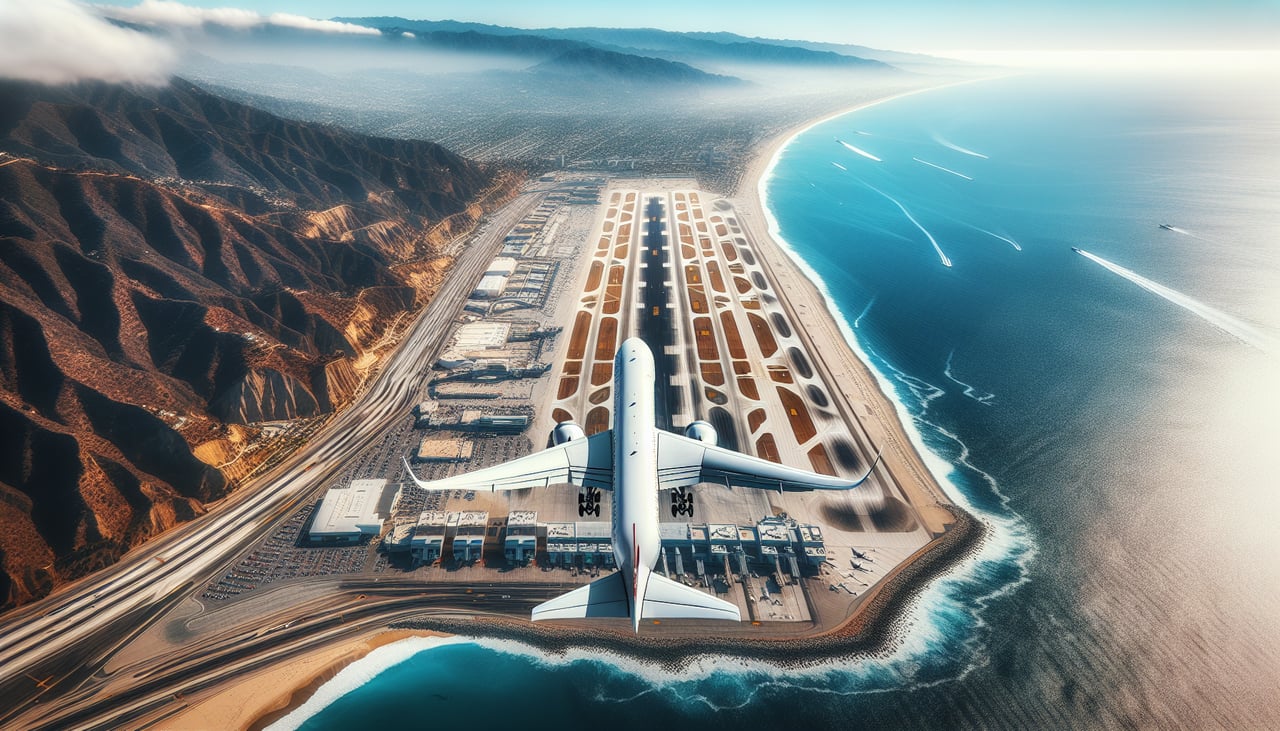
Takeoff from LAX
LEFTEastbound departures from LAX curve inland over the Los Angeles basin, putting the San Gabriel Mountains and the downtown LA skyline on the left side of the aircraft as it climbs out. The right side mostly shows flatter suburban sprawl and Orange County rooftops with only a brief coastal glimpse.
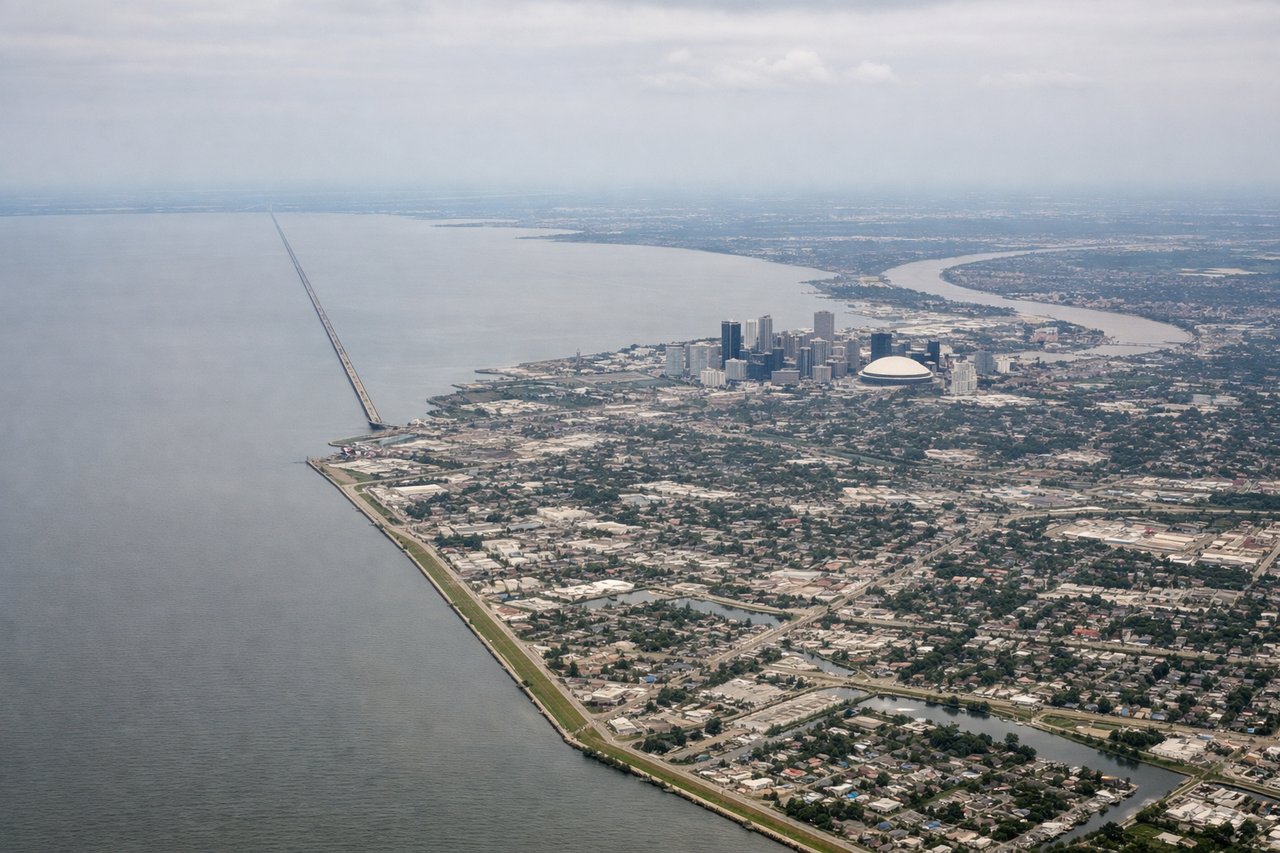
Landing at MSY
LEFTOn the typical straight-in approach to MSY's runway 11 from the northwest, the aircraft descends south of Lake Pontchartrain, keeping its broad open water and the cypress-lined bayous of the Bonnet Carre Spillway area on the left side. The right side shows mostly flat, undifferentiated wetland with less visual contrast.
Landmarks on this routeAll landmarks →
Will your flight be in sunlight?
Pick a date and time in the Sun Map to watch the sun move across your whole flight.
About This Route
Which side of the plane should I sit on flying from Los Angeles International (LAX) to Louis Armstrong New Orleans International (MSY)?
Sit on the Left side of the plane for the best views on flights from Los Angeles to New Orleans. The left side keeps the San Gabriel Mountains and LA skyline in view at departure, and delivers the open-water contrast of Lake Pontchartrain and coastal wetlands on arrival, while the right side offers flatter, less distinctive terrain on both ends of the flight.
What can I see during takeoff from Los Angeles International in Los Angeles?
During takeoff from Los Angeles International (LAX), sit on the Left side for the best views. Eastbound departures from LAX curve inland over the Los Angeles basin, putting the San Gabriel Mountains and the downtown LA skyline on the left side of the aircraft as it climbs out. The right side mostly shows flatter suburban sprawl and Orange County rooftops with only a brief coastal glimpse. Notable sights include: San Gabriel Mountains, Downtown Los Angeles skyline, San Bernardino Mountains foothills, Santa Monica Bay coastline (briefly during the turn).
What can I see when landing at Louis Armstrong New Orleans International in New Orleans?
When landing at Louis Armstrong New Orleans International (MSY), sit on the Left side for the best views. On the typical straight-in approach to MSY's runway 11 from the northwest, the aircraft descends south of Lake Pontchartrain, keeping its broad open water and the cypress-lined bayous of the Bonnet Carre Spillway area on the left side. The right side shows mostly flat, undifferentiated wetland with less visual contrast. Notable sights include: Lake Pontchartrain shoreline, Bonnet Carre Spillway wetlands, Mississippi River bends, distant New Orleans skyline haze on the horizon.
How long is the flight from Los Angeles to New Orleans?
The flight from Los Angeles International (LAX) to Louis Armstrong New Orleans International (MSY) takes about 3 hours 45 minutes. The shortest flight path between them is 1,667 miles (2,682 km); winds and air traffic control usually add a few percent.
What does the Los Angeles to New Orleans flight path pass over?
The route crosses the Sonoran Desert of southern Arizona, the Rio Grande valley near Las Cruces, the Guadalupe Mountains on the Texas-New Mexico border, and the rolling Texas Hill Country before descending over Louisiana's coastal wetlands.