While the ocean departure from LAX is scenic, the right side wins the full flight because the route runs along the base of the Cascade Range for most of its length, revealing a chain of volcanic peaks — Shasta, Hood, St. Helens, and finally Rainier on approach — that the left side never matches once the coastline falls away.
Flight Path
The flight path crosses from the southern Sierra Nevada into the Cascade Range near the California-Oregon border, passing close to Mount Shasta's isolated volcanic cone before continuing north over Oregon's forested Cascade foothills.
Great circle distance and headings ›.jpg?width=600)


Phase by phase
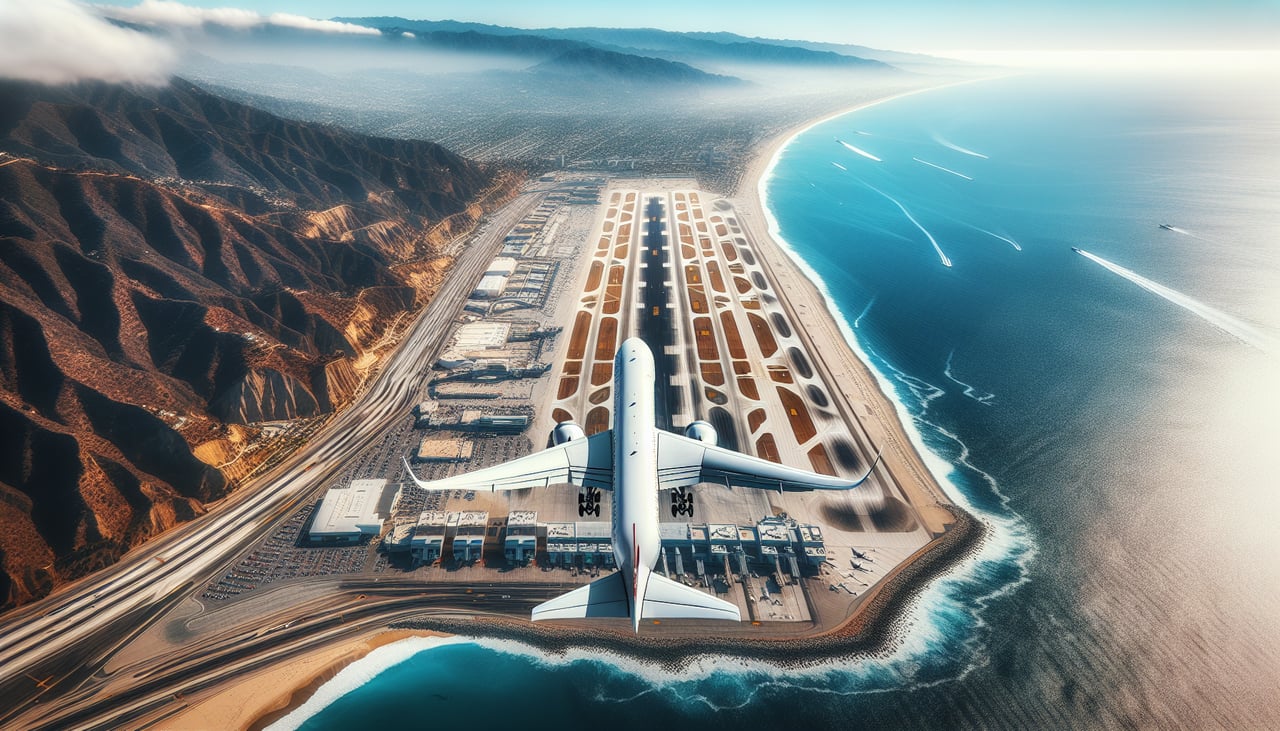
Takeoff from LAX
LEFTWest-flow departures climb out directly over the Pacific before banking north, giving left-side passengers a sweeping view of Santa Monica Bay, the Malibu coastline, and the Palos Verdes Peninsula. It's the classic LAX postcard shot before the plane turns inland.
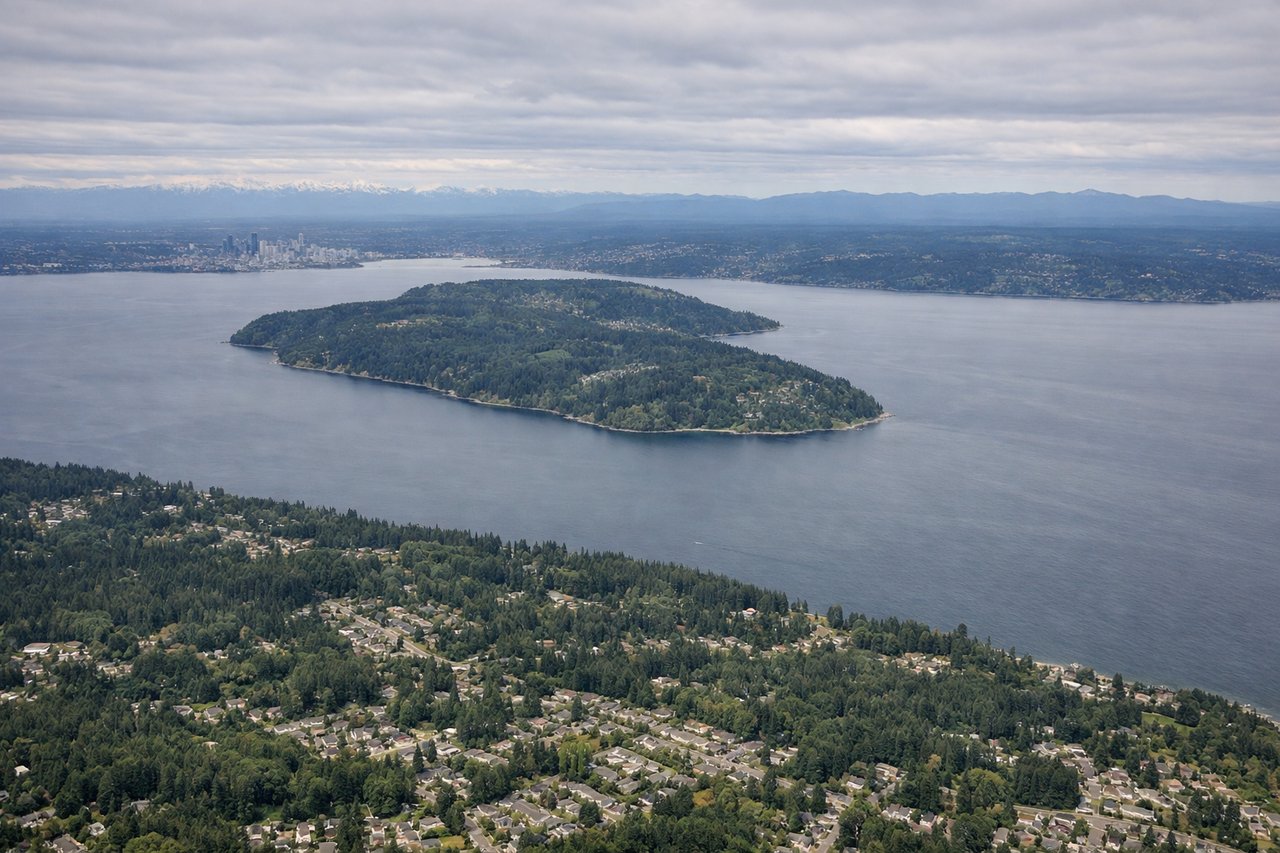
Landing at SEA
RIGHTOn the descent into Sea-Tac, the route tracks close to the western base of the Cascades, putting Mount Rainier's massive snow-covered summit squarely on the right side as the plane loses altitude over the Green River valley. It's one of the most photographed landmarks visible from any US domestic approach.
Landmarks on this routeAll landmarks →
Will your flight be in sunlight?
See exactly which side of the plane gets sun and shade at your departure time.
About This Route
Which side of the plane should I sit on flying from Los Angeles International (LAX) to Seattle Tacoma International (SEA)?
Sit on the Right side of the plane for the best views on flights from Los Angeles to Seattle. While the ocean departure from LAX is scenic, the right side wins the full flight because the route runs along the base of the Cascade Range for most of its length, revealing a chain of volcanic peaks — Shasta, Hood, St. Helens, and finally Rainier on approach — that the left side never matches once the coastline falls away.
What can I see during takeoff from Los Angeles International in Los Angeles?
During takeoff from Los Angeles International (LAX), sit on the Left side for the best views. West-flow departures climb out directly over the Pacific before banking north, giving left-side passengers a sweeping view of Santa Monica Bay, the Malibu coastline, and the Palos Verdes Peninsula. It's the classic LAX postcard shot before the plane turns inland. Notable sights include: Santa Monica Bay, Malibu coastline, Palos Verdes Peninsula, Channel Islands (distant haze permitting).
What can I see when landing at Seattle Tacoma International in Seattle?
When landing at Seattle Tacoma International (SEA), sit on the Right side for the best views. On the descent into Sea-Tac, the route tracks close to the western base of the Cascades, putting Mount Rainier's massive snow-covered summit squarely on the right side as the plane loses altitude over the Green River valley. It's one of the most photographed landmarks visible from any US domestic approach. Notable sights include: Mount Rainier, Cascade foothills, Green River valley (Kent/Auburn), distant Seattle skyline to the north.
How long is the flight from Los Angeles to Seattle?
The flight from Los Angeles International (LAX) to Seattle Tacoma International (SEA) takes 2h 50m.
What does the Los Angeles to Seattle flight path pass over?
The flight path crosses from the southern Sierra Nevada into the Cascade Range near the California-Oregon border, passing close to Mount Shasta's isolated volcanic cone before continuing north over Oregon's forested Cascade foothills.