Across the whole flight the right side delivers a far richer visual sequence: a glimpse of London on departure, the snow-dusted Alps near the Swiss-Italian border during cruise, the Adriatic Sea, the Cycladic islands of the Aegean, and finally Larnaca's Salt Lake and the Troodos Mountains on arrival. The left side spends most of the flight over comparatively flat, indistinct terrain.
Flight Path
The route passes near the Alps around the France-Switzerland-Italy border (Mont Blanc massif region), crosses the Adriatic Sea near the Croatian coast, and continues over the Aegean Sea past Greece's Cycladic islands before reaching Cyprus.
Great circle distance and headings ›.jpeg?width=600)


Phase by phase
Takeoff from LGW
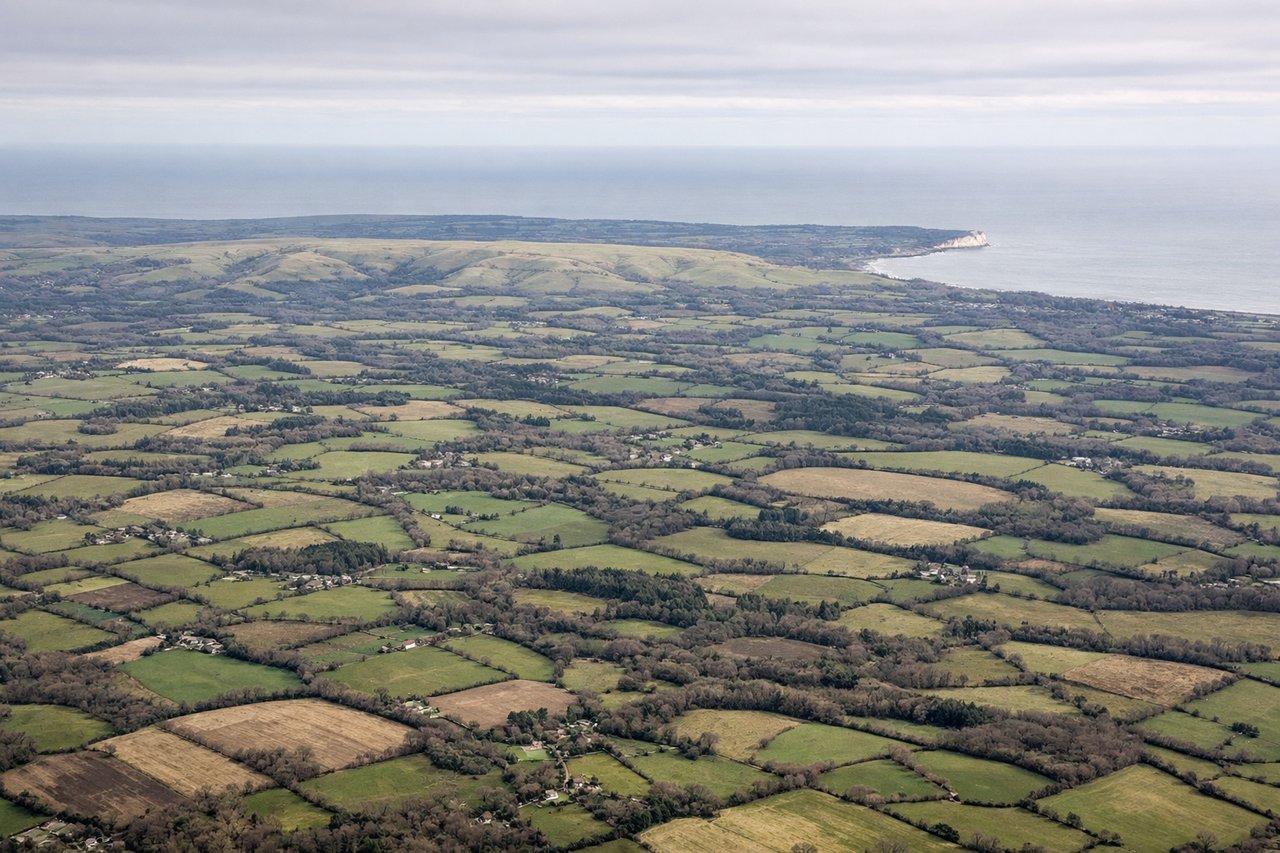
RIGHTLeaving Gatwick on runway 26, the aircraft banks left onto its southeast routing, briefly swinging the right side toward London's skyline before settling onto a track that shows the South Downs and the English Channel coast near Brighton. The left side mostly shows the flatter, less distinctive Weald countryside of Kent and Sussex.
Landing at LCA
RIGHTOn the typical approach to runway 22, the final turn puts Larnaca's bright white Salt Lake and the distant Troodos Mountains on the right side of the aircraft. The left side mostly faces open sea and the low rooftops of Larnaca town with less distinctive scenery.
Landmarks on this routeAll landmarks →
Will your flight be in sunlight?
See exactly which side of the plane gets sun and shade at your departure time.
About This Route
Which side of the plane should I sit on flying from Gatwick (LGW) to Larnaca (LCA)?
Sit on the Right side of the plane for the best views on flights from London to Larnaca. Across the whole flight the right side delivers a far richer visual sequence: a glimpse of London on departure, the snow-dusted Alps near the Swiss-Italian border during cruise, the Adriatic Sea, the Cycladic islands of the Aegean, and finally Larnaca's Salt Lake and the Troodos Mountains on arrival. The left side spends most of the flight over comparatively flat, indistinct terrain.
What can I see during takeoff from Gatwick in London?
During takeoff from Gatwick (LGW), sit on the Right side for the best views. Leaving Gatwick on runway 26, the aircraft banks left onto its southeast routing, briefly swinging the right side toward London's skyline before settling onto a track that shows the South Downs and the English Channel coast near Brighton. The left side mostly shows the flatter, less distinctive Weald countryside of Kent and Sussex. Notable sights include: London skyline (distant), South Downs, Brighton coastline, English Channel.
What can I see when landing at Larnaca in Larnaca?
When landing at Larnaca (LCA), sit on the Right side for the best views. On the typical approach to runway 22, the final turn puts Larnaca's bright white Salt Lake and the distant Troodos Mountains on the right side of the aircraft. The left side mostly faces open sea and the low rooftops of Larnaca town with less distinctive scenery. Notable sights include: Larnaca Salt Lake, Troodos Mountains, Larnaca town outskirts.
How long is the flight from London to Larnaca?
The flight from Gatwick (LGW) to Larnaca (LCA) takes 4h 40m.
What does the London to Larnaca flight path pass over?
The route passes near the Alps around the France-Switzerland-Italy border (Mont Blanc massif region), crosses the Adriatic Sea near the Croatian coast, and continues over the Aegean Sea past Greece's Cycladic islands before reaching Cyprus.