While takeoff from Heathrow offers some Thames estuary interest on the right, the landing approach into Bergen on the left is dramatically superior. The fjord landscape, mountains, and glacier views during descent far outweigh the relatively flat, industrial London departure scenery.
Flight Path
The flight path crosses the North Sea at roughly 25,000-30,000 feet. Notable features include the Scottish coastline (Firth of Forth and Firth of Tay visible during initial climb if weather permits), the transition over open North Sea with no visible landmarks for approximately 90 minutes, and the approach to the Norwegian coast where the Sognefjord and other major fjords become visible. The Hardangerfjord and surrounding mountain ranges appear as the aircraft descends toward Bergen from the southeast.
Great circle distance and headings ›.jpeg?width=600)

Phase by phase
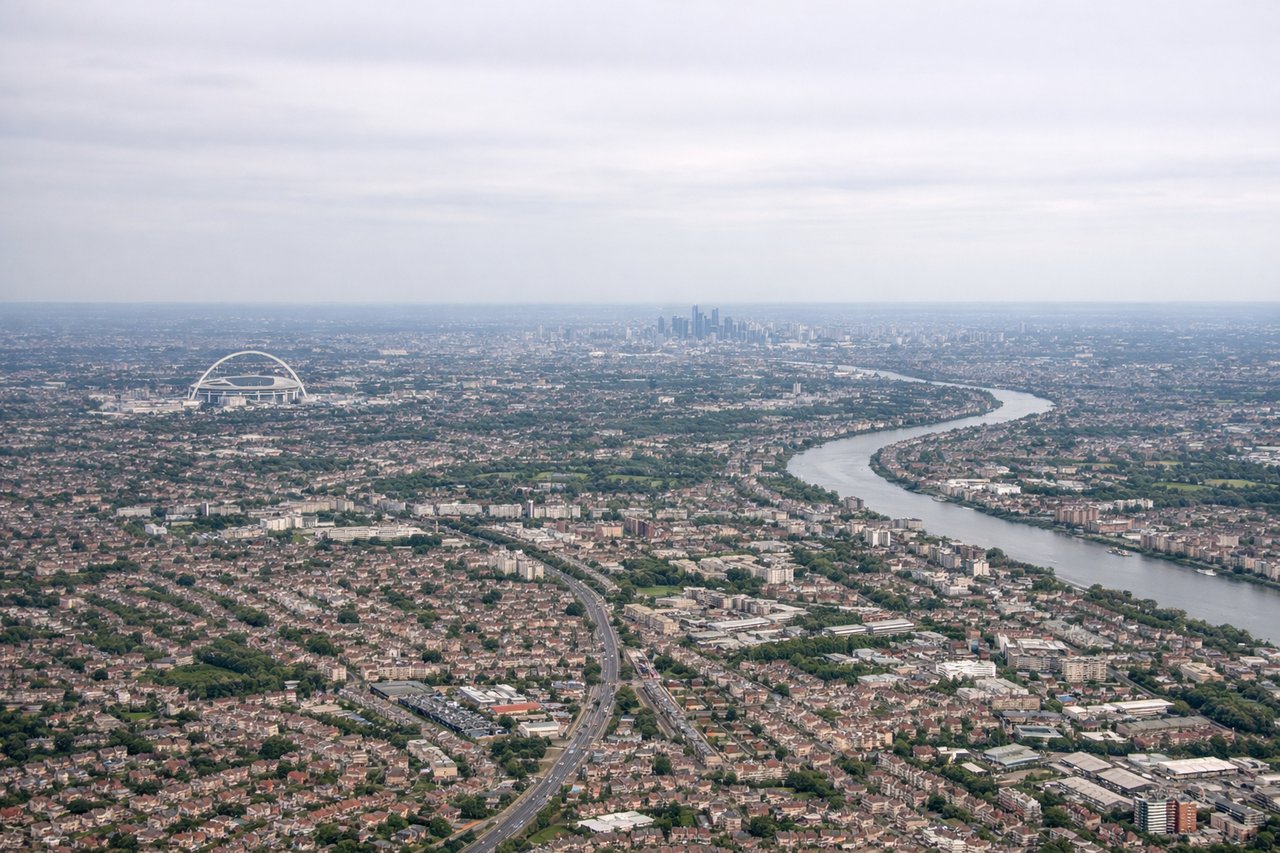
Takeoff from LHR
RIGHTRight-side seats offer views of the Thames estuary and the London urban sprawl spreading eastward. The aircraft climbs northwestward out of Heathrow, so right-side passengers see the populated areas and water features that define greater London's eastern extent.
Landing at BGO
LEFTLeft-side seats provide excellent views during descent into Bergen. The aircraft approaches from the southeast, and left-side passengers see the dramatic Norwegian fjord landscape, including Byfjorden and the surrounding mountains that frame Bergen's approach corridor.
Landmarks on this routeAll landmarks →
Will your flight be in sunlight?
See exactly which side of the plane gets sun and shade at your departure time.
About This Route
Which side of the plane should I sit on flying from Heathrow (LHR) to Bergen Flesland (BGO)?
Sit on the Left side of the plane for the best views on flights from London to Bergen. While takeoff from Heathrow offers some Thames estuary interest on the right, the landing approach into Bergen on the left is dramatically superior. The fjord landscape, mountains, and glacier views during descent far outweigh the relatively flat, industrial London departure scenery.
What can I see during takeoff from Heathrow in London?
During takeoff from Heathrow (LHR), sit on the Right side for the best views. Right-side seats offer views of the Thames estuary and the London urban sprawl spreading eastward. The aircraft climbs northwestward out of Heathrow, so right-side passengers see the populated areas and water features that define greater London's eastern extent. Notable sights include: Thames estuary, Greater London urban grid, Tilbury docks, North Sea coast (distant).
What can I see when landing at Bergen Flesland in Bergen?
When landing at Bergen Flesland (BGO), sit on the Left side for the best views. Left-side seats provide excellent views during descent into Bergen. The aircraft approaches from the southeast, and left-side passengers see the dramatic Norwegian fjord landscape, including Byfjorden and the surrounding mountains that frame Bergen's approach corridor. Notable sights include: Byfjorden, Folgefonna glacier (distant, on horizon), Hornsnes peninsula, Bergen city and harbor.
How long is the flight from London to Bergen?
The flight from Heathrow (LHR) to Bergen Flesland (BGO) takes Approximately 2 hours 15 minutes.
What does the London to Bergen flight path pass over?
The flight path crosses the North Sea at roughly 25,000-30,000 feet. Notable features include the Scottish coastline (Firth of Forth and Firth of Tay visible during initial climb if weather permits), the transition over open North Sea with no visible landmarks for approximately 90 minutes, and the approach to the Norwegian coast where the Sognefjord and other major fjords become visible. The Hardangerfjord and surrounding mountain ranges appear as the aircraft descends toward Bergen from the southeast.