While the left side offers a nice glimpse of London at takeoff, the right side wins overall thanks to a scenic cruise over the Alps, the Mediterranean, and the mountains of the Middle East, followed by a dramatic coastal approach into Mumbai over the Arabian Sea.
Flight Path
The great-circle route crosses the Alps near Switzerland/Austria, the eastern Mediterranean or Turkey, the Zagros Mountains of Iran, and the Arabian Sea before making landfall on India's west coast near Mumbai.
Great circle distance and headings ›.jpeg?width=600)


Phase by phase
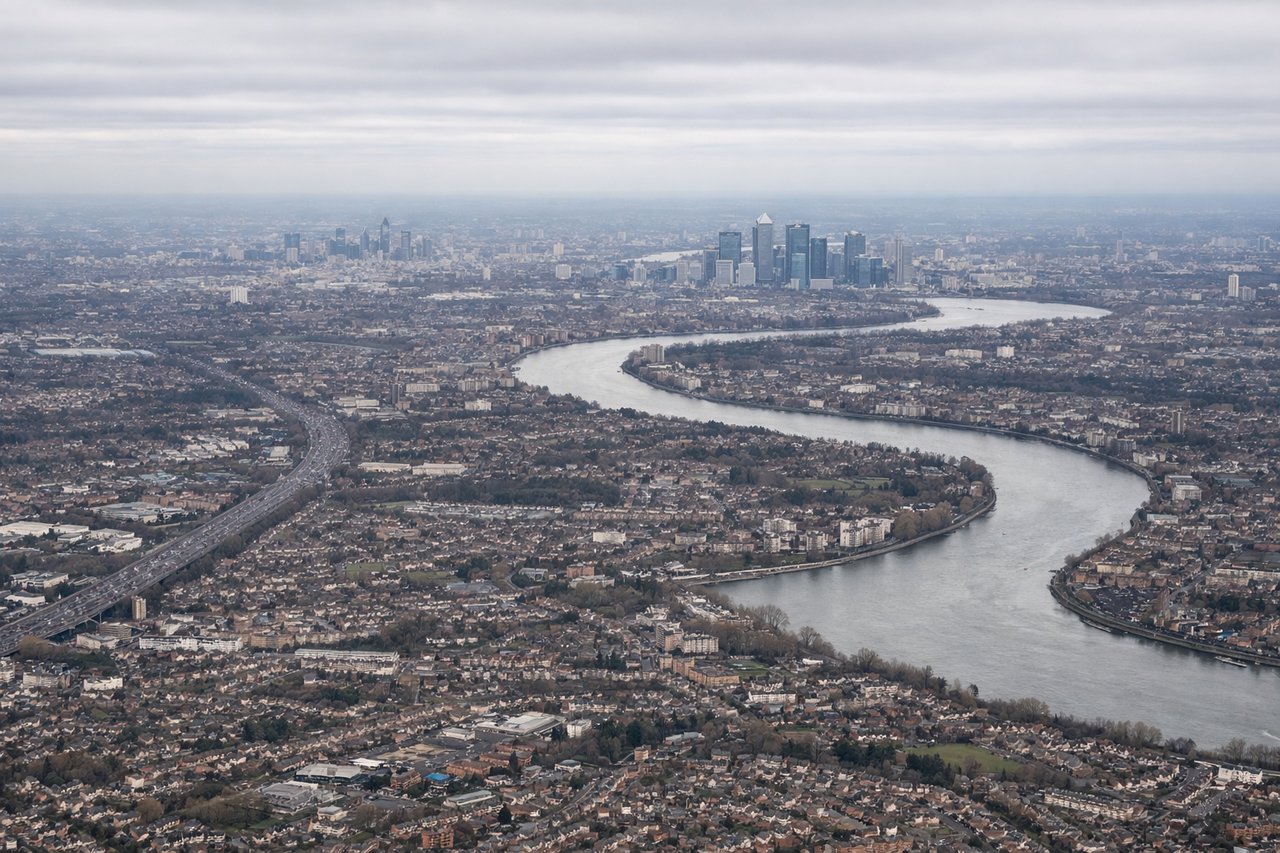
Takeoff from LHR
LEFTDeparting Heathrow on the typical westerly-operations runway, eastbound flights bank left (south) shortly after takeoff to join the airway toward continental Europe. During this turn, left-side passengers get a brief but clear view down into London itself before the aircraft straightens onto its easterly track.
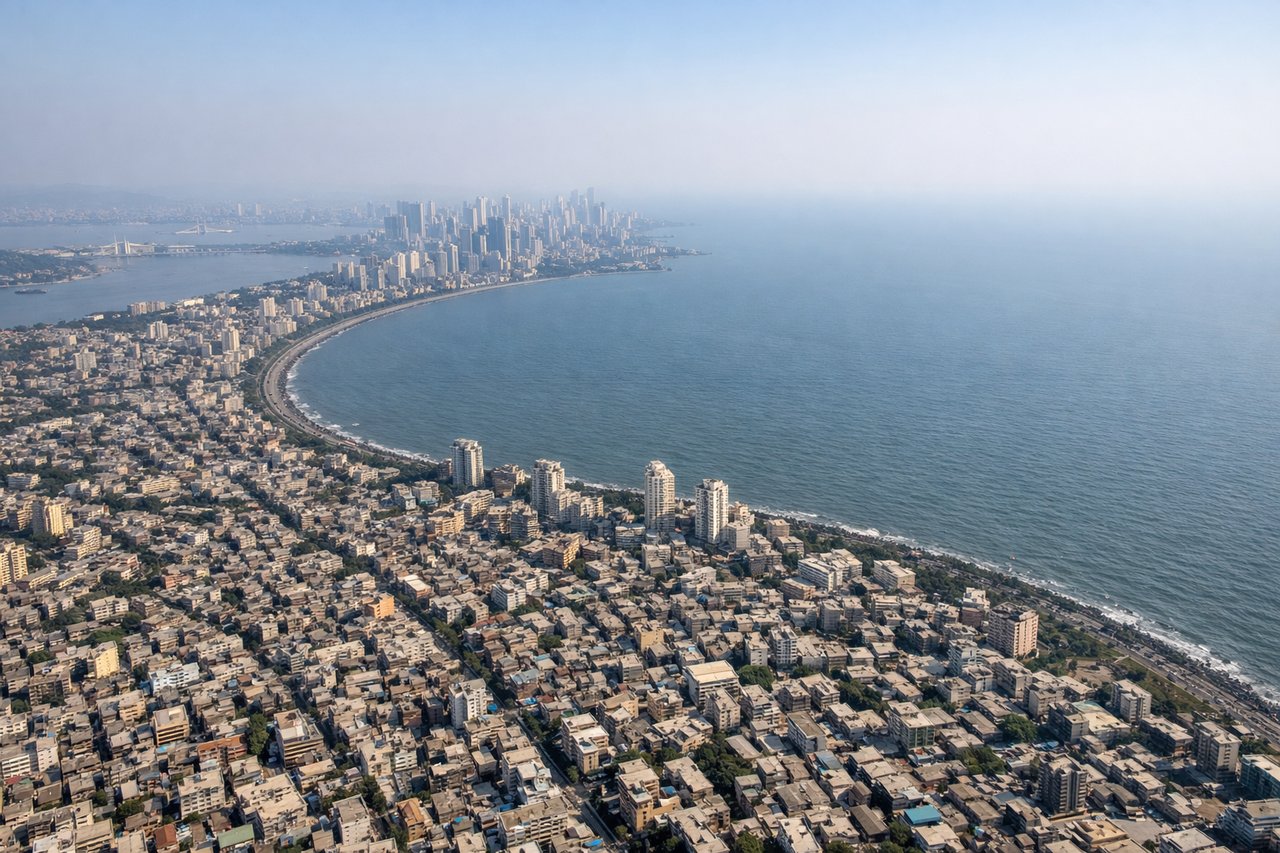
Landing at BOM
RIGHTArrivals from Europe typically fly down India's west coast before turning to land on Mumbai's easterly-facing runway, coming in off the Arabian Sea. This turn puts the coastline, the Bandra-Worli Sea Link, and Mumbai's dense skyline on the right side of the aircraft during final approach.
Landmarks on this routeAll landmarks →
Will your flight be in sunlight?
See exactly which side of the plane gets sun and shade at your departure time.
About This Route
Which side of the plane should I sit on flying from Heathrow (LHR) to Chhatrapati Shivaji International (BOM)?
Sit on the Right side of the plane for the best views on flights from London to Bombay. While the left side offers a nice glimpse of London at takeoff, the right side wins overall thanks to a scenic cruise over the Alps, the Mediterranean, and the mountains of the Middle East, followed by a dramatic coastal approach into Mumbai over the Arabian Sea.
What can I see during takeoff from Heathrow in London?
During takeoff from Heathrow (LHR), sit on the Left side for the best views. Departing Heathrow on the typical westerly-operations runway, eastbound flights bank left (south) shortly after takeoff to join the airway toward continental Europe. During this turn, left-side passengers get a brief but clear view down into London itself before the aircraft straightens onto its easterly track. Notable sights include: River Thames, Canary Wharf and the City of London skyline, Thames Estuary.
What can I see when landing at Chhatrapati Shivaji International in Bombay?
When landing at Chhatrapati Shivaji International (BOM), sit on the Right side for the best views. Arrivals from Europe typically fly down India's west coast before turning to land on Mumbai's easterly-facing runway, coming in off the Arabian Sea. This turn puts the coastline, the Bandra-Worli Sea Link, and Mumbai's dense skyline on the right side of the aircraft during final approach. Notable sights include: Arabian Sea coastline, Bandra-Worli Sea Link, Mumbai skyline and harbor, Mahim Bay.
How long is the flight from London to Bombay?
The flight from Heathrow (LHR) to Chhatrapati Shivaji International (BOM) takes 9h05m.
What does the London to Bombay flight path pass over?
The great-circle route crosses the Alps near Switzerland/Austria, the eastern Mediterranean or Turkey, the Zagros Mountains of Iran, and the Arabian Sea before making landfall on India's west coast near Mumbai.