While the left side wins a brief, pleasant view of London on departure, the right side benefits from a longer and more varied cruise over Central Asian steppe, desert, and mountain terrain, plus a genuinely dramatic arrival past Lantau Island's peaks and the Hong Kong skyline.
Flight Path
Kazakh steppe, Caspian Sea shoreline, Tian Shan mountain foothills, and the edge of the Taklamakan Desert in western China
Great circle distance and headings ›.jpeg?width=600)


Phase by phase
Takeoff from LHR
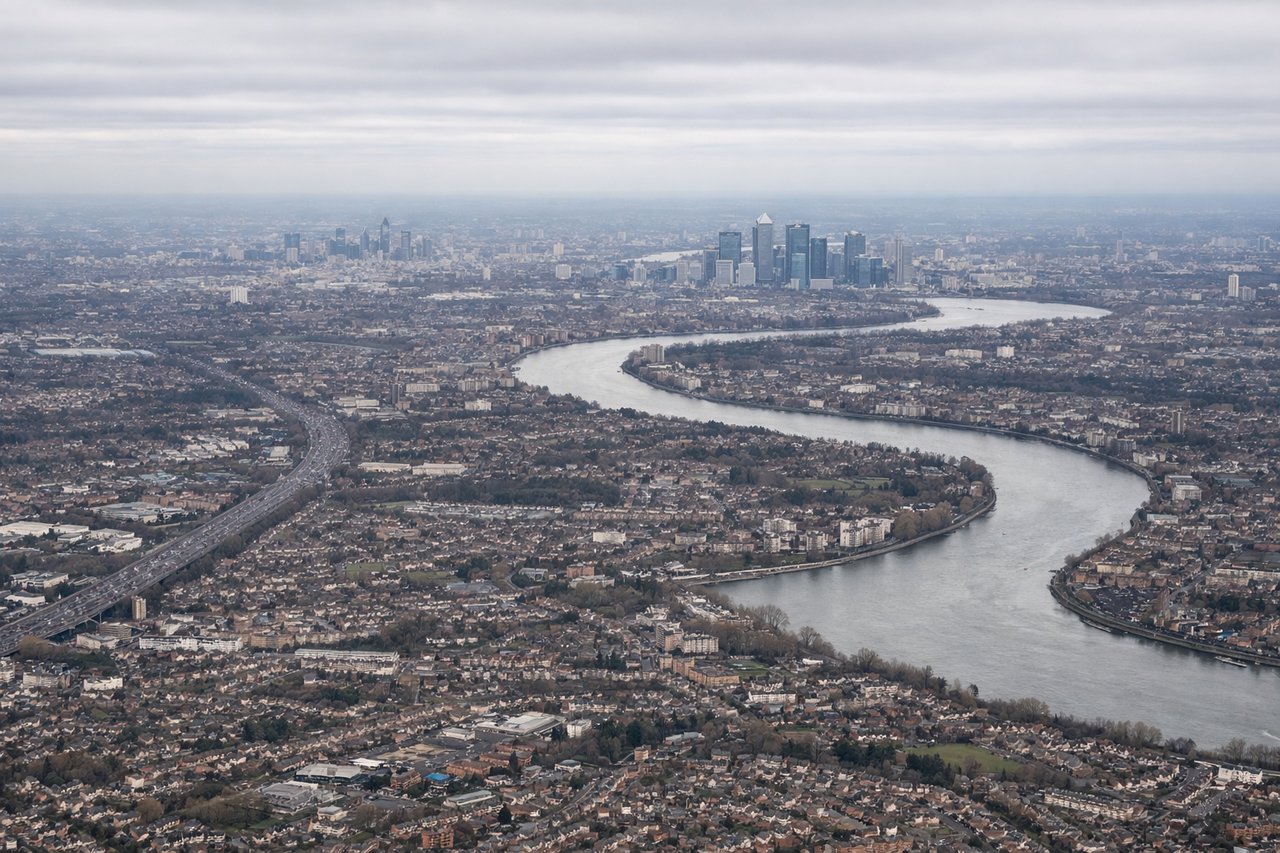
LEFTWith Heathrow's typical westerly departures, the initial climb and right-hand turn put Windsor Castle and then the Thames and London skyline (Canary Wharf, the City) on the left side of the aircraft. The right side mostly shows unremarkable Buckinghamshire and Hertfordshire farmland.
Landing at HKG
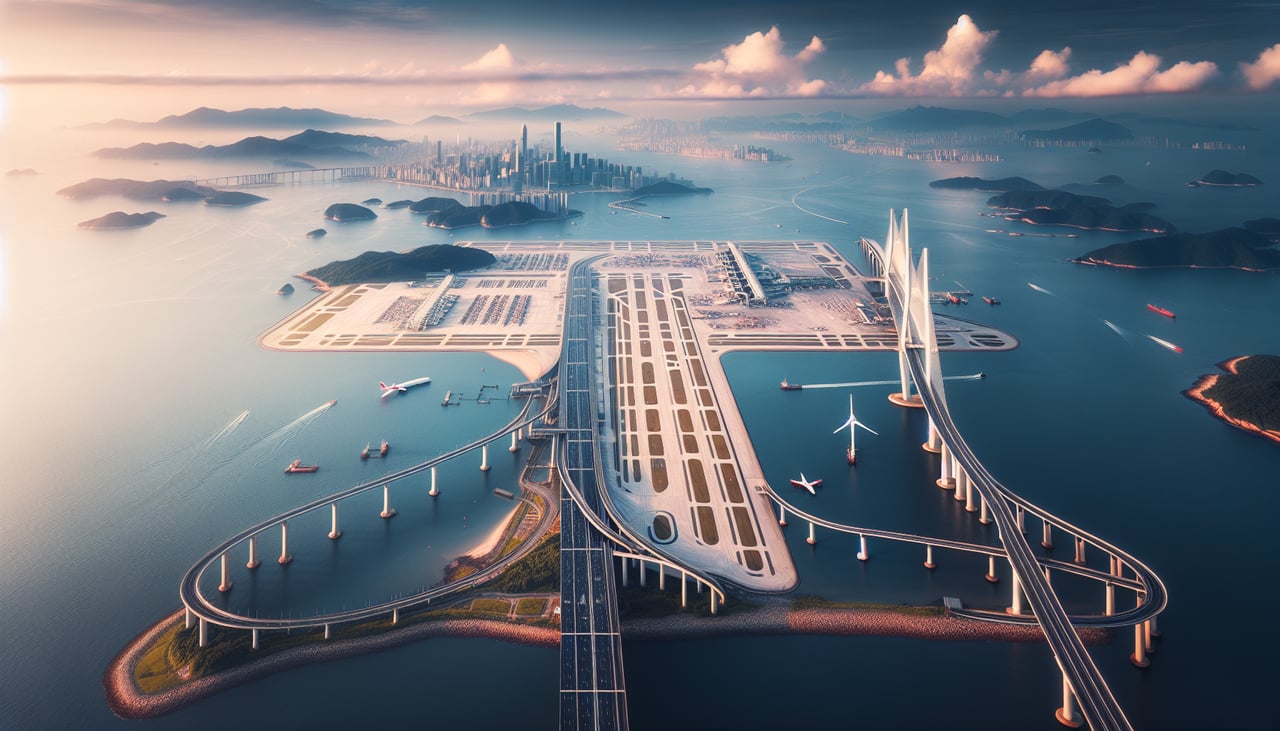
RIGHTOn the standard winter approach to runway 07, arriving aircraft track east over the Pearl River Delta and pass just north of Lantau Island, putting Lantau Peak and the Tian Tan Buddha on the right side along with glimpses of the Hong Kong-Zhuhai-Macau Bridge and, briefly, the Hong Kong skyline. The left side mostly overlooks the flatter New Territories and Shenzhen's urban sprawl.
Landmarks on this routeAll landmarks →
Will your flight be in sunlight?
See exactly which side of the plane gets sun and shade at your departure time.
About This Route
Which side of the plane should I sit on flying from Heathrow (LHR) to Hong Kong International (HKG)?
Sit on the Right side of the plane for the best views on flights from London to Hong Kong. While the left side wins a brief, pleasant view of London on departure, the right side benefits from a longer and more varied cruise over Central Asian steppe, desert, and mountain terrain, plus a genuinely dramatic arrival past Lantau Island's peaks and the Hong Kong skyline.
What can I see during takeoff from Heathrow in London?
During takeoff from Heathrow (LHR), sit on the Left side for the best views. With Heathrow's typical westerly departures, the initial climb and right-hand turn put Windsor Castle and then the Thames and London skyline (Canary Wharf, the City) on the left side of the aircraft. The right side mostly shows unremarkable Buckinghamshire and Hertfordshire farmland. Notable sights include: Windsor Castle, River Thames, London skyline (Canary Wharf/The Shard), Heathrow perimeter.
What can I see when landing at Hong Kong International in Hong Kong?
When landing at Hong Kong International (HKG), sit on the Right side for the best views. On the standard winter approach to runway 07, arriving aircraft track east over the Pearl River Delta and pass just north of Lantau Island, putting Lantau Peak and the Tian Tan Buddha on the right side along with glimpses of the Hong Kong-Zhuhai-Macau Bridge and, briefly, the Hong Kong skyline. The left side mostly overlooks the flatter New Territories and Shenzhen's urban sprawl. Notable sights include: Lantau Peak, Tian Tan Buddha (Ngong Ping), Hong Kong-Zhuhai-Macau Bridge, Hong Kong Island skyline glimpse.
How long is the flight from London to Hong Kong?
The flight from Heathrow (LHR) to Hong Kong International (HKG) takes 11h 50m.
What does the London to Hong Kong flight path pass over?
Kazakh steppe, Caspian Sea shoreline, Tian Shan mountain foothills, and the edge of the Taklamakan Desert in western China