Lucknow to Delhi is 263 miles (424 km), a flight of about 1 hour 15 minutes.
The right side edges out the left thanks to brief glimpses of Lucknow's riverside cityscape on departure and Delhi's urban sprawl and the Yamuna corridor on arrival, while the left side offers only uninterrupted flat farmland for the entire short hop.
Flight Path
Flat Ganga-Yamuna doab farmland with scattered small towns; no major rivers or mountains cross the direct route at cruise altitude.
Great circle distance and headings ›Phase by phase
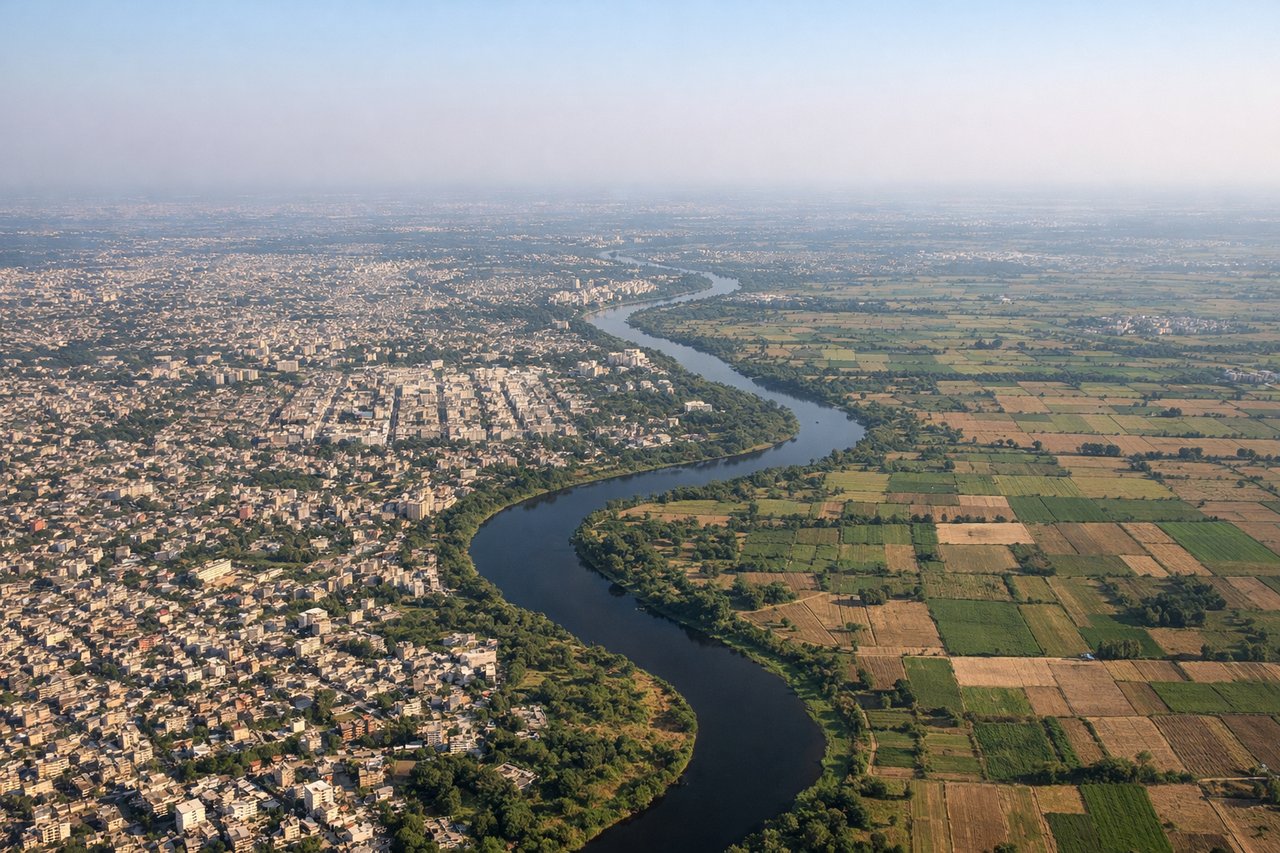
Takeoff from LKO
RIGHTAs the aircraft climbs out of Lucknow and banks toward Delhi's northwest heading, the right side offers a brief look back over the old city, including the Gomti River's winding course through town. The left side mostly shows featureless cropland from the start.
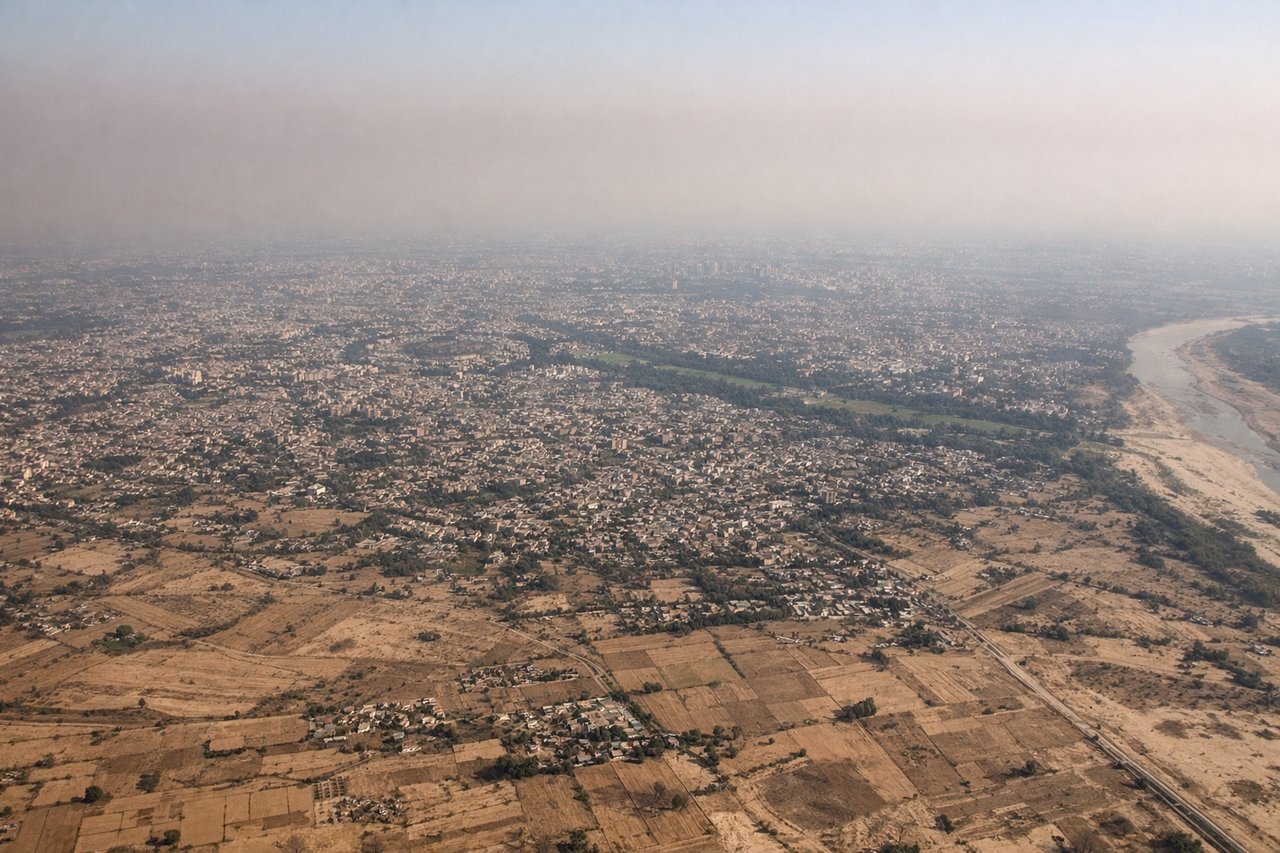
Landing at DEL
RIGHTOn approach into Delhi from the southeast, the right side faces the city's northeastern sprawl and the Yamuna River corridor, giving a good view of Delhi's dense urban skyline as the plane descends. The left side mostly faces open Haryana countryside with little to distinguish it.
Will your flight be in sunlight?
Pick a date and time in the Sun Map to watch the sun move across your whole flight.
About This Route
Which side of the plane should I sit on flying from Lucknow (LKO) to Indira Gandhi International (DEL)?
Sit on the Right side of the plane for the best views on flights from Lucknow to Delhi. The right side edges out the left thanks to brief glimpses of Lucknow's riverside cityscape on departure and Delhi's urban sprawl and the Yamuna corridor on arrival, while the left side offers only uninterrupted flat farmland for the entire short hop.
What can I see during takeoff from Lucknow in Lucknow?
During takeoff from Lucknow (LKO), sit on the Right side for the best views. As the aircraft climbs out of Lucknow and banks toward Delhi's northwest heading, the right side offers a brief look back over the old city, including the Gomti River's winding course through town. The left side mostly shows featureless cropland from the start. Notable sights include: Gomti River, Lucknow's old city core (Bara Imambara/Rumi Darwaza area), Gangetic plain farmland.
What can I see when landing at Indira Gandhi International in Delhi?
When landing at Indira Gandhi International (DEL), sit on the Right side for the best views. On approach into Delhi from the southeast, the right side faces the city's northeastern sprawl and the Yamuna River corridor, giving a good view of Delhi's dense urban skyline as the plane descends. The left side mostly faces open Haryana countryside with little to distinguish it. Notable sights include: Yamuna River, Delhi urban sprawl and high-rises, Qutub Minar area (south Delhi), agricultural fringe near the airport.
How long is the flight from Lucknow to Delhi?
The flight from Lucknow (LKO) to Indira Gandhi International (DEL) takes about 1 hour 15 minutes. The shortest flight path between them is 263 miles (424 km); winds and air traffic control usually add a few percent.
What does the Lucknow to Delhi flight path pass over?
Flat Ganga-Yamuna doab farmland with scattered small towns; no major rivers or mountains cross the direct route at cruise altitude.