The left side captures the Twin Cities skyline and lakes at departure and, more importantly, the dramatic high-latitude cruise scenery over the Canadian wilderness, the Alaska Range, and Kamchatka's volcanic peninsula — terrain the right side largely misses in favor of open ocean.
Flown MSP to ICN? Did we get it right?
Flight Path
Minneapolis to Seoul is 6,233 miles (10,031 km), a flight of about 13 hours 45 minutes.
The route arcs over Saskatchewan and the Yukon, skirts the Alaska Range near Denali, crosses the Gulf of Alaska and Bering Sea, and passes near Russia's volcanic Kamchatka Peninsula before descending over the Sea of Japan toward Korea.
Great circle distance and headings ›Phase by phase
Takeoff from MSP
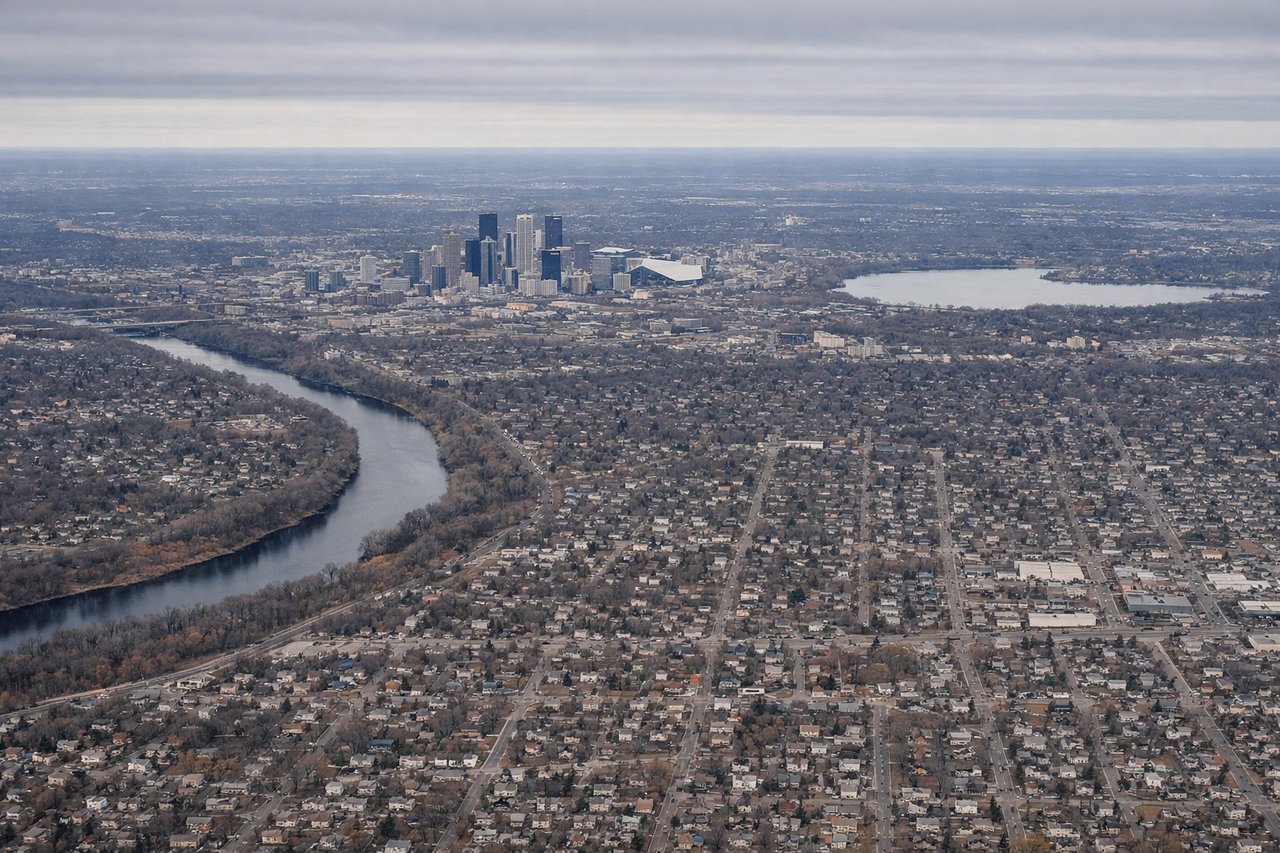
LEFTMSP departures on 30L/30R climb out toward the northwest almost directly over downtown Minneapolis before banking right to pick up the great-circle heading toward Canada, putting the Twin Cities skyline and lake country on the left side. Right-side passengers mostly see flat suburban and farm land with little definition.
Landing at ICN
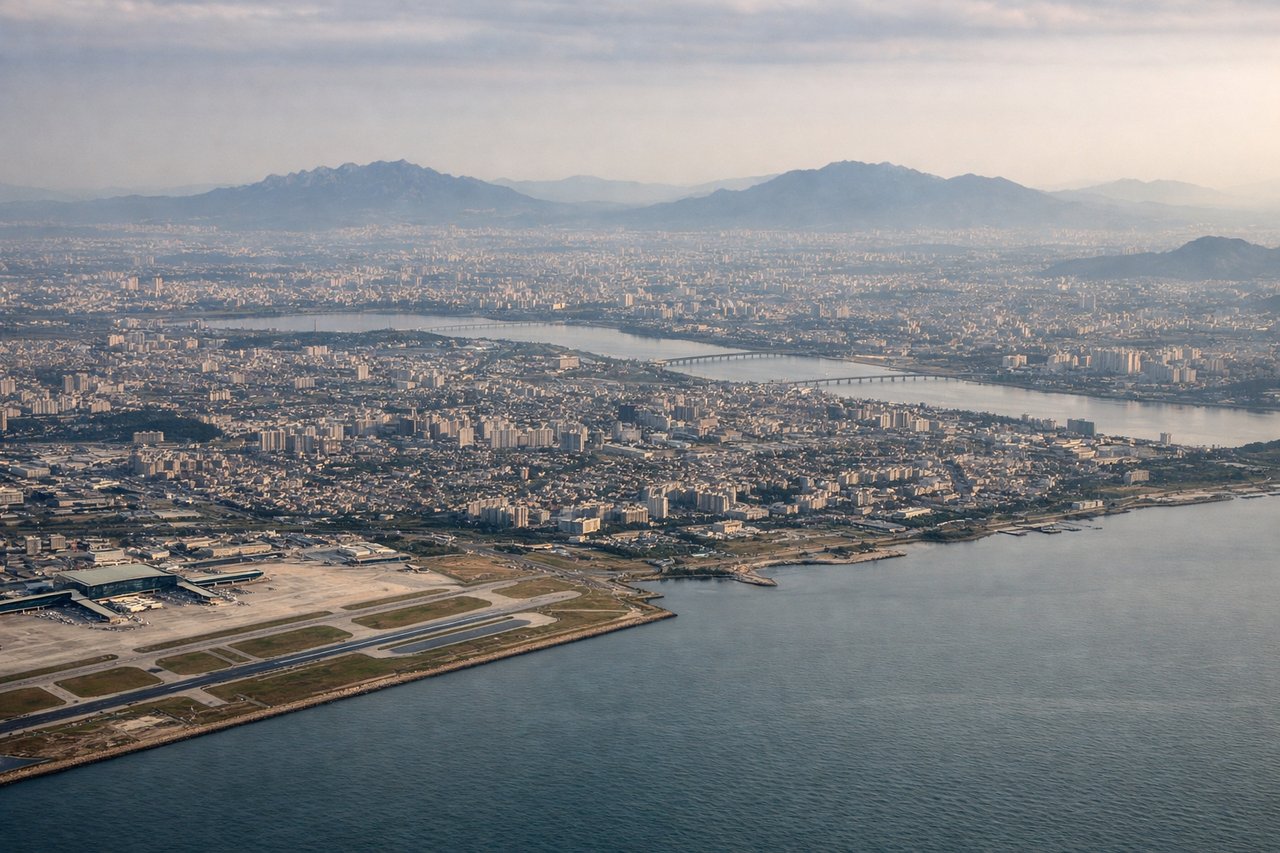
RIGHTArrivals crossing the Korean peninsula from the northeast typically swing south past the Seoul metropolitan area before turning west into Incheon, giving right-side passengers a view of the Han River and Seoul's skyline before the aircraft crosses the Yellow Sea's island-studded coastline. The left side mostly faces open water on this leg of the approach.
Will your flight be in sunlight?
Pick a date and time in the Sun Map to watch the sun move across your whole flight.
About This Route
Which side of the plane should I sit on flying from Minneapolis St Paul International (MSP) to Incheon International (ICN)?
Sit on the Left side of the plane for the best views on flights from Minneapolis to Seoul. The left side captures the Twin Cities skyline and lakes at departure and, more importantly, the dramatic high-latitude cruise scenery over the Canadian wilderness, the Alaska Range, and Kamchatka's volcanic peninsula — terrain the right side largely misses in favor of open ocean.
What can I see during takeoff from Minneapolis St Paul International in Minneapolis?
During takeoff from Minneapolis St Paul International (MSP), sit on the Left side for the best views. MSP departures on 30L/30R climb out toward the northwest almost directly over downtown Minneapolis before banking right to pick up the great-circle heading toward Canada, putting the Twin Cities skyline and lake country on the left side. Right-side passengers mostly see flat suburban and farm land with little definition. Notable sights include: Downtown Minneapolis skyline, the Mississippi River, Lake Minnetonka and the Twin Cities' many lakes.
What can I see when landing at Incheon International in Seoul?
When landing at Incheon International (ICN), sit on the Right side for the best views. Arrivals crossing the Korean peninsula from the northeast typically swing south past the Seoul metropolitan area before turning west into Incheon, giving right-side passengers a view of the Han River and Seoul's skyline before the aircraft crosses the Yellow Sea's island-studded coastline. The left side mostly faces open water on this leg of the approach. Notable sights include: Han River, Seoul skyline, Ganghwa Island, Yellow Sea mudflats and coastal islands near Incheon.
How long is the flight from Minneapolis to Seoul?
The flight from Minneapolis St Paul International (MSP) to Incheon International (ICN) takes about 13 hours 45 minutes. The shortest flight path between them is 6,233 miles (10,031 km); winds and air traffic control usually add a few percent.
What does the Minneapolis to Seoul flight path pass over?
The route arcs over Saskatchewan and the Yukon, skirts the Alaska Range near Denali, crosses the Gulf of Alaska and Bering Sea, and passes near Russia's volcanic Kamchatka Peninsula before descending over the Sea of Japan toward Korea.