While takeoff favors the right for Alpine views, the landing approach to Keflavik is the more dramatic and geographically distinctive segment of this route. Left-side seats capture Iceland's unique volcanic landscape and Atlantic coastline during descent, which outweighs the Alpine scenery on departure.
Flown MXP to KEF? Did we get it right?
Flight Path
Milano to Keflavik is 1,745 miles (2,809 km), a flight of about 4 hours 15 minutes.
The flight path crosses the North Sea and Norwegian Sea at altitude. Cruising altitude (typically 35,000-37,000 feet) passes over open ocean with no significant visible landmarks. The route tracks northwest from Milan across the Alps, then over France, the English Channel, and the North Sea. At cruise altitude, cloud cover is the primary variable—on clear days, the Scottish Highlands and Hebrides may be faintly visible far to the left (west) during the North Sea crossing, but they appear as distant, low-contrast features. Iceland's coast becomes visible approximately 30 minutes before landing, initially as a dark landmass on the horizon, gradually revealing the Reykjanes Peninsula's distinctive volcanic terrain.
Great circle distance and headings ›


Phase by phase
Takeoff from MXP
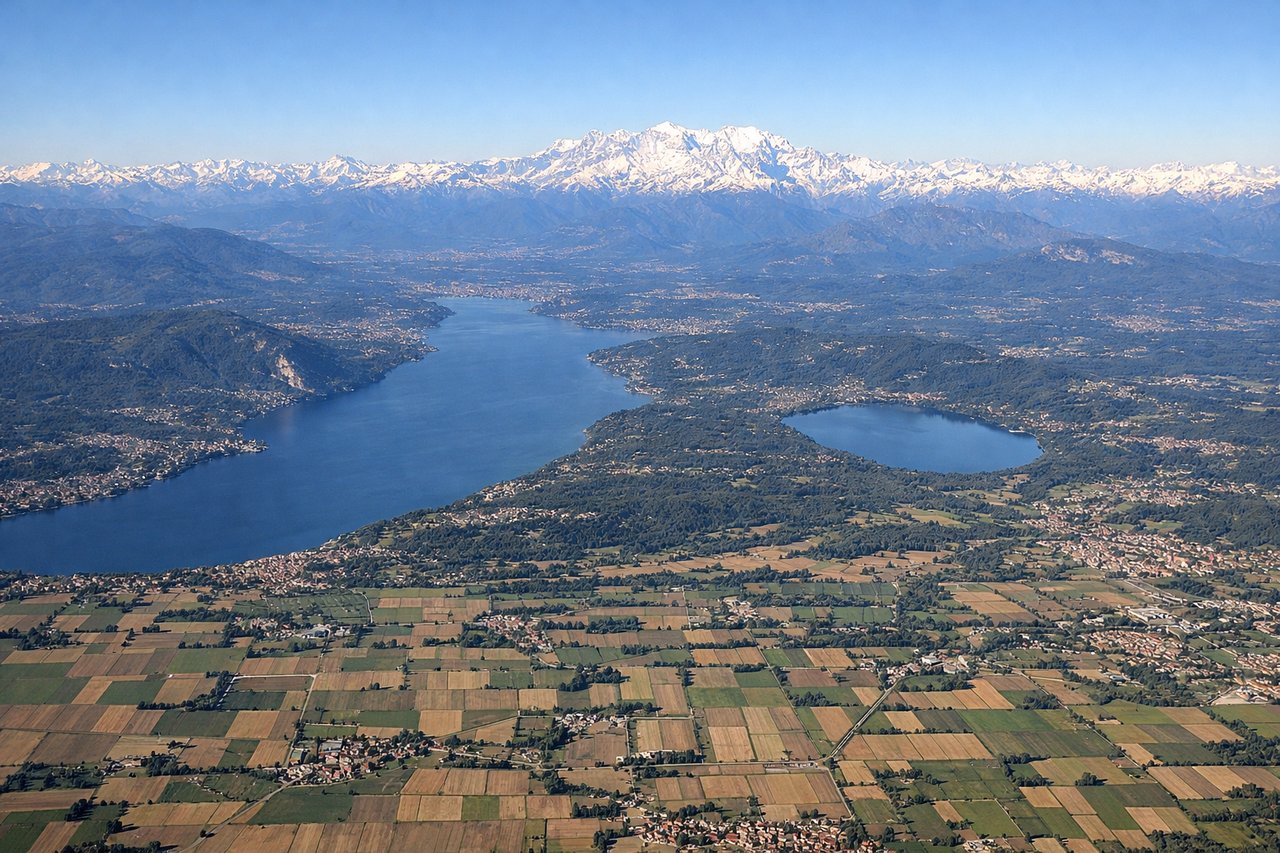
RIGHTMalpensa typically departs runway 35L/35R (northeast heading). Right-side seats face toward the Alps and the pre-Alpine lakes immediately north of Milan, offering dramatic elevation gain and clear water features within the first 15 minutes of climb.
Landing at KEF
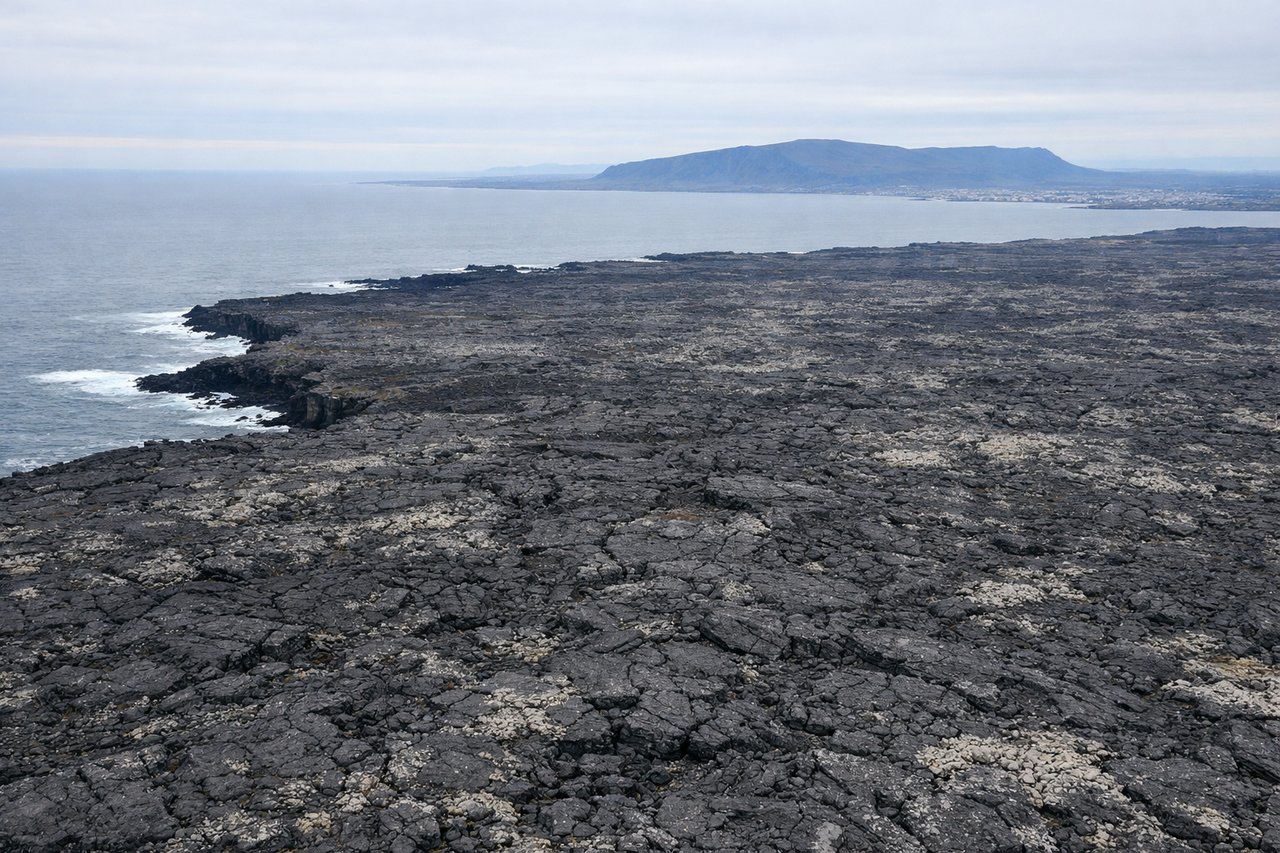
LEFTKeflavik typically lands on runway 02 (northbound) or 20 (southbound). Left-side seats on northbound approaches offer views of Iceland's southwestern coast, including the Reykjanes Peninsula's distinctive lava fields and the Atlantic coastline. Southbound approaches also favor left seats for coastal and geothermal feature visibility.
Will your flight be in sunlight?
Pick a date and time in the Sun Map to watch the sun move across your whole flight.
About This Route
Which side of the plane should I sit on flying from Malpensa (MXP) to Keflavik Nas (KEF)?
Sit on the Left side of the plane for the best views on flights from Milano to Keflavik. While takeoff favors the right for Alpine views, the landing approach to Keflavik is the more dramatic and geographically distinctive segment of this route. Left-side seats capture Iceland's unique volcanic landscape and Atlantic coastline during descent, which outweighs the Alpine scenery on departure.
What can I see during takeoff from Malpensa in Milano?
During takeoff from Malpensa (MXP), sit on the Right side for the best views. Malpensa typically departs runway 35L/35R (northeast heading). Right-side seats face toward the Alps and the pre-Alpine lakes immediately north of Milan, offering dramatic elevation gain and clear water features within the first 15 minutes of climb. Notable sights include: Southern Alps (Prealps) with snow-capped peaks, Lake Como (Lago di Como) stretching north, Lake Maggiore to the northwest, Milan urban sprawl receding southward.
What can I see when landing at Keflavik Nas in Keflavik?
When landing at Keflavik Nas (KEF), sit on the Left side for the best views. Keflavik typically lands on runway 02 (northbound) or 20 (southbound). Left-side seats on northbound approaches offer views of Iceland's southwestern coast, including the Reykjanes Peninsula's distinctive lava fields and the Atlantic coastline. Southbound approaches also favor left seats for coastal and geothermal feature visibility. Notable sights include: Reykjanes Peninsula lava fields (dark volcanic terrain), Atlantic Ocean with visible wave patterns, Keflavik town and harbor, geothermal steam vents near Svartsengi.
How long is the flight from Milano to Keflavik?
The flight from Malpensa (MXP) to Keflavik Nas (KEF) takes about 4 hours 15 minutes. The shortest flight path between them is 1,745 miles (2,809 km); winds and air traffic control usually add a few percent.
What does the Milano to Keflavik flight path pass over?
The flight path crosses the North Sea and Norwegian Sea at altitude. Cruising altitude (typically 35,000-37,000 feet) passes over open ocean with no significant visible landmarks. The route tracks northwest from Milan across the Alps, then over France, the English Channel, and the North Sea. At cruise altitude, cloud cover is the primary variable—on clear days, the Scottish Highlands and Hebrides may be faintly visible far to the left (west) during the North Sea crossing, but they appear as distant, low-contrast features. Iceland's coast becomes visible approximately 30 minutes before landing, initially as a dark landmass on the horizon, gradually revealing the Reykjanes Peninsula's distinctive volcanic terrain.