Tokyo Bay, Greater Tokyo urban sprawl, Mount Fuji (distant
Tokyo Bay, Tokyo skyline, Mount Fuji
🛫 Taking Off from Tokyo (NRT)
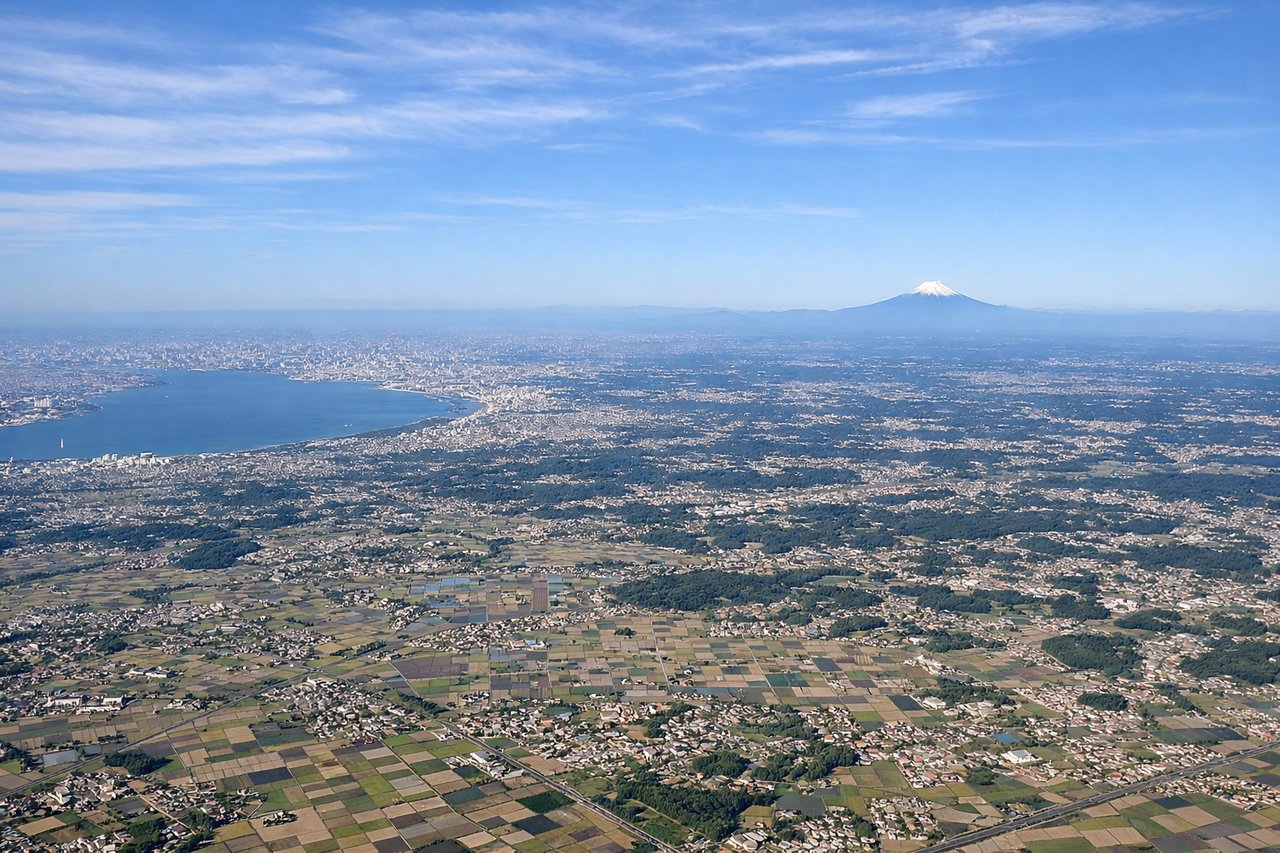 Left Side
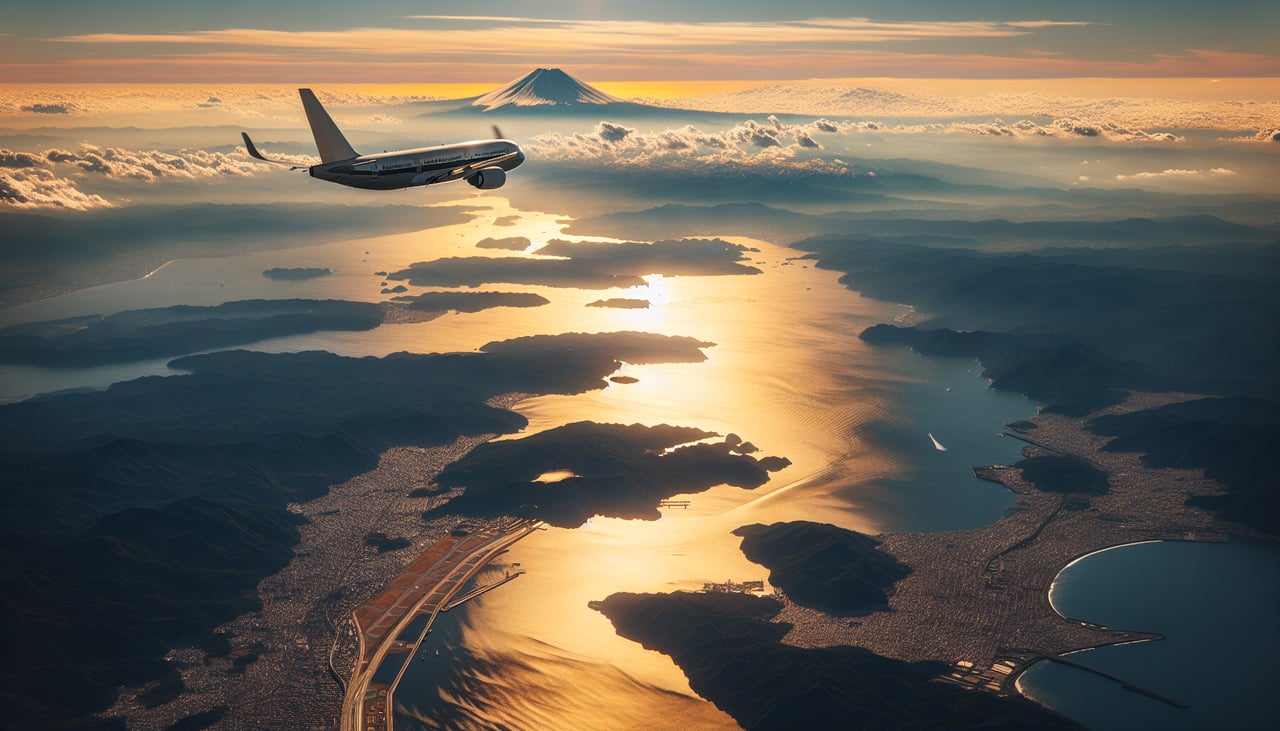 Right Side
🛬 Landing at Tokyo (NRT)
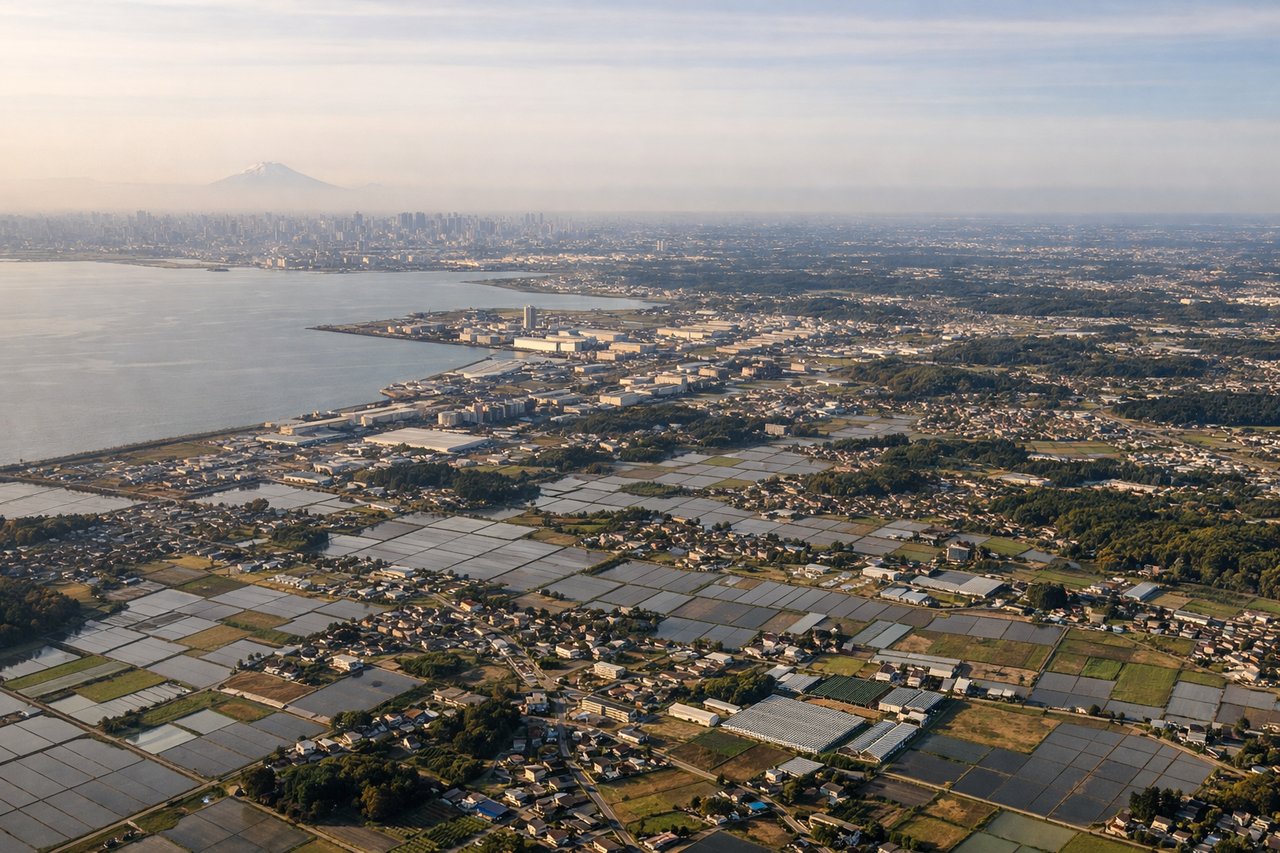 Left Side
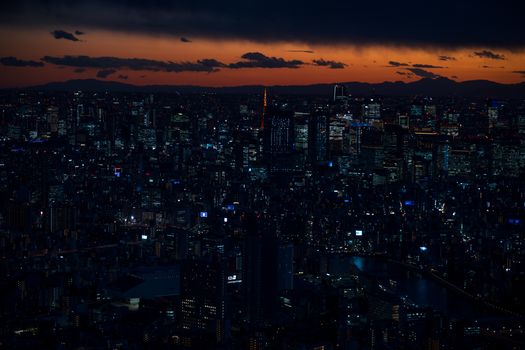 Photo: Guohua Song
Narita is one of Japan's two major gateways to Tokyo, located about 60 km east of the city center, with three passenger terminals and a strong focus on long-haul international flights and low-cost carriers.
Landmarks on routes from TokyoAll landmarks →
Connecting at NRT?
Find out if your layover is long enough at New Tokyo International.
Check layover times →Popular Routes from New Tokyo International (NRT)
North America
Europe
Asia
South America
Oceania
Elsewhere
About This Airport
Which side of the plane has the best views at New Tokyo International (NRT)?
At New Tokyo International in Tokyo: for takeoff, sit on the Right side; for landing, sit on the Left side. Notable views include: Tokyo Bay, Greater Tokyo urban sprawl, Mount Fuji (distant, weather permitting), Chiba coastline.
What can I see during takeoff from New Tokyo International in Tokyo?
When taking off from New Tokyo International (NRT), sit on the Right side for the best views. Departing south on runway 16R, the aircraft climbs out over Chiba Prefecture with a turn that puts the western horizon on the right side. That's your best shot at seeing Tokyo Bay, the sprawl of the Greater Tokyo metro area, and on a clear day, Mount Fuji rising far in the distance to the southwest. Notable sights include: Tokyo Bay, Greater Tokyo urban sprawl, Mount Fuji (distant, weather permitting), Chiba coastline.
What can I see when landing at New Tokyo International in Tokyo?
When landing at New Tokyo International (NRT), sit on the Left side for the best views. Landing on runway 34L means approaching from the south and flying north, so the left side faces west toward Tokyo Bay and the Tokyo skyline in the distance. On clear days, Mount Fuji's silhouette can also be seen far to the southwest before the final turn onto approach. Notable sights include: Tokyo Bay, Tokyo skyline (distant), Mount Fuji (on clear days), Chiba coastline.
What factors affect the best window seat at New Tokyo International?
The best window seat at New Tokyo International (NRT) depends on several factors: the typical runway used for your departure or arrival, the geographic features around Tokyo (mountains, coastlines, city skylines), weather conditions, and time of day. Morning and evening flights often offer the best lighting for scenic views.