While the Chicago skyline gives the right side a strong start, the left side's Dublin Bay and Wicklow Mountains approach offers a more sustained and dramatic scenic payoff at the end of a long transatlantic flight.
Flown ORD to DUB? Did we get it right?
Flight Path
Chicago to Dublin is 3,663 miles (5,895 km), a flight of about 7 hours 5 minutes.
Open North Atlantic Ocean, passing south of the Labrador Sea and occasionally within sight of Newfoundland's coastline shortly after leaving Canadian airspace
Great circle distance and headings ›

Phase by phase
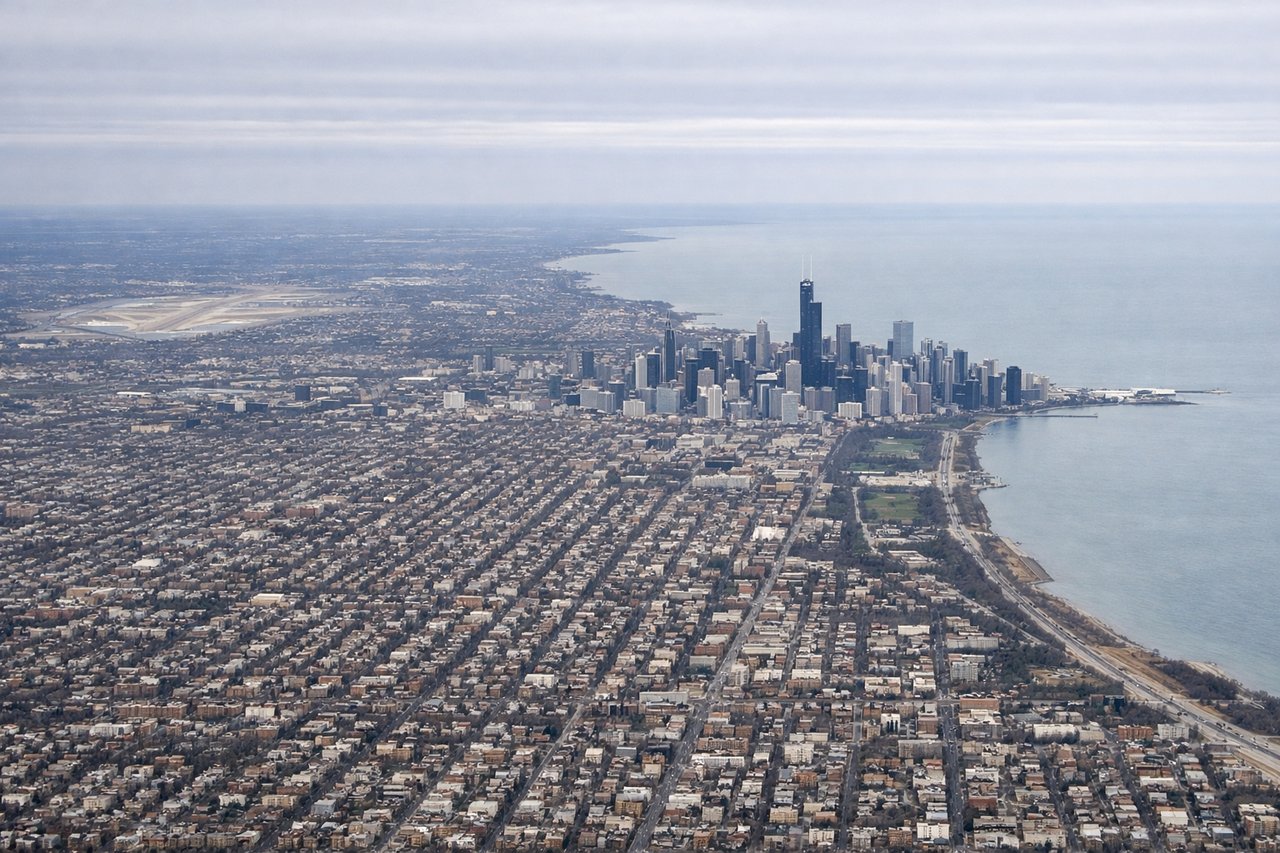
Takeoff from ORD
RIGHTEastbound departures from ORD typically bank toward the northeast, putting Chicago's downtown skyline and the Lake Michigan shoreline on the right side of the aircraft during initial climb. It's a brief but recognizable urban view before the flat farmland of northern Indiana and Michigan takes over.
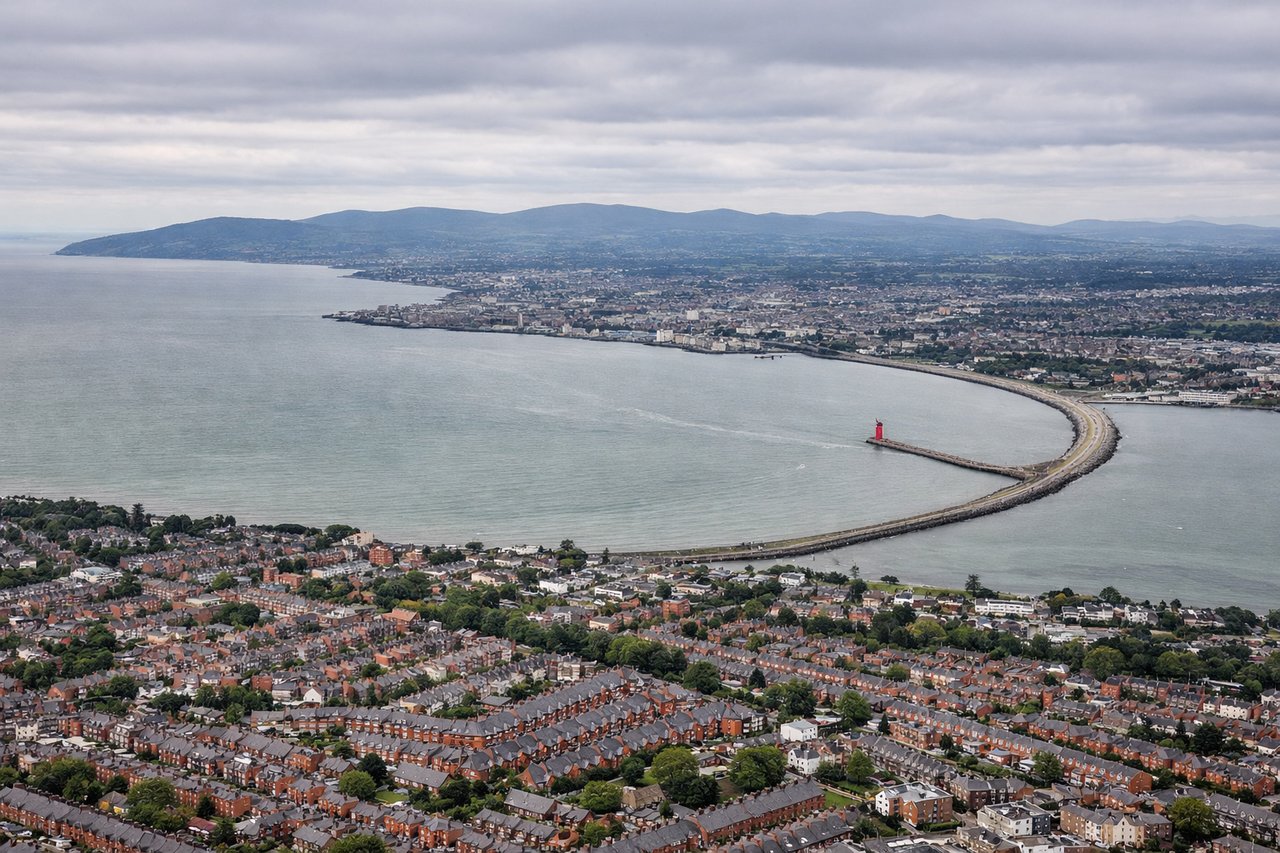
Landing at DUB
LEFTDublin arrivals from the west typically land on runway 28, approaching from the east over the Irish Sea and Dublin Bay before turning inland. On the final descent heading west, the Wicklow Mountains and Dublin's coastal bay sit to the south, visible on the left side of the aircraft.
Will your flight be in sunlight?
Pick a date and time in the Sun Map to watch the sun move across your whole flight.
About This Route
Which side of the plane should I sit on flying from Chicago Ohare International (ORD) to Dublin (DUB)?
Sit on the Left side of the plane for the best views on flights from Chicago to Dublin. While the Chicago skyline gives the right side a strong start, the left side's Dublin Bay and Wicklow Mountains approach offers a more sustained and dramatic scenic payoff at the end of a long transatlantic flight.
What can I see during takeoff from Chicago Ohare International in Chicago?
During takeoff from Chicago Ohare International (ORD), sit on the Right side for the best views. Eastbound departures from ORD typically bank toward the northeast, putting Chicago's downtown skyline and the Lake Michigan shoreline on the right side of the aircraft during initial climb. It's a brief but recognizable urban view before the flat farmland of northern Indiana and Michigan takes over. Notable sights include: Chicago skyline (Willis Tower, Loop), Lake Michigan shoreline, Navy Pier area.
What can I see when landing at Dublin in Dublin?
When landing at Dublin (DUB), sit on the Left side for the best views. Dublin arrivals from the west typically land on runway 28, approaching from the east over the Irish Sea and Dublin Bay before turning inland. On the final descent heading west, the Wicklow Mountains and Dublin's coastal bay sit to the south, visible on the left side of the aircraft. Notable sights include: Dublin Bay, Wicklow Mountains, Dublin city and Liffey estuary, Irish Sea coastline.
How long is the flight from Chicago to Dublin?
The flight from Chicago Ohare International (ORD) to Dublin (DUB) takes about 7 hours 5 minutes. The shortest flight path between them is 3,663 miles (5,895 km); winds and air traffic control usually add a few percent.
What does the Chicago to Dublin flight path pass over?
Open North Atlantic Ocean, passing south of the Labrador Sea and occasionally within sight of Newfoundland's coastline shortly after leaving Canadian airspace