The right side wins on both ends of the flight and through much of the cruise: Chicago and Lake Michigan at departure, then Hudson Bay, Arctic Canada, Alaska's mountains, and Kamchatka's volcanic peninsula along the great-circle route north of the Pacific, followed by a Mount Fuji and Tokyo Bay view on arrival. The left side spends most of the flight over featureless Canadian plains and open North Pacific water.
Flight Path
Bering Sea and the Aleutian Island chain, with the Kamchatka Peninsula's volcanic ridgeline visible further along the route before the descent into Japan
Great circle distance and headings ›

.jpg?width=600)


Phase by phase
Takeoff from ORD
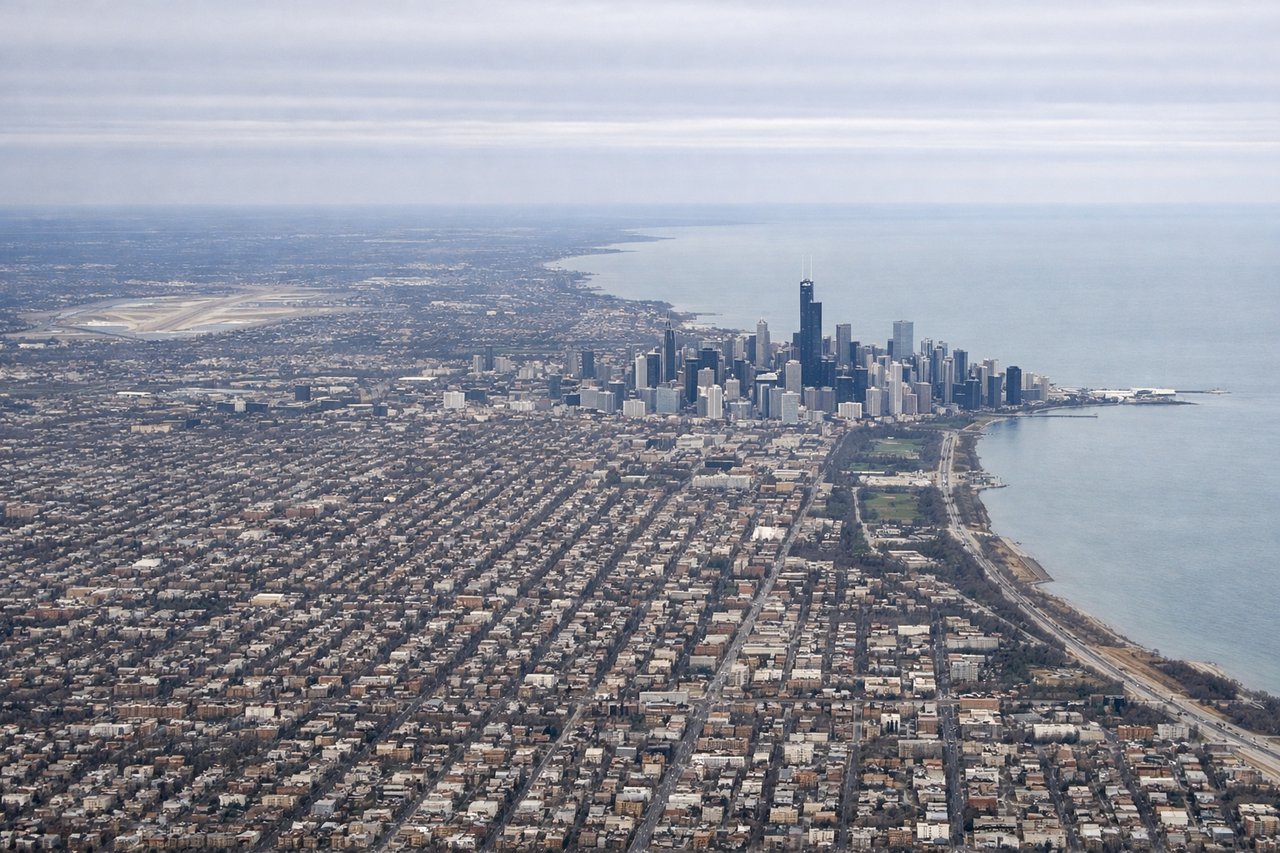
RIGHTDeparting ORD on a westbound runway, the aircraft banks right onto its northwesterly track toward Canada, swinging the right side toward downtown Chicago's skyline and the Lake Michigan shoreline before the city fades into farmland. The left side only shows flat western suburbs and fields.
Landing at NRT
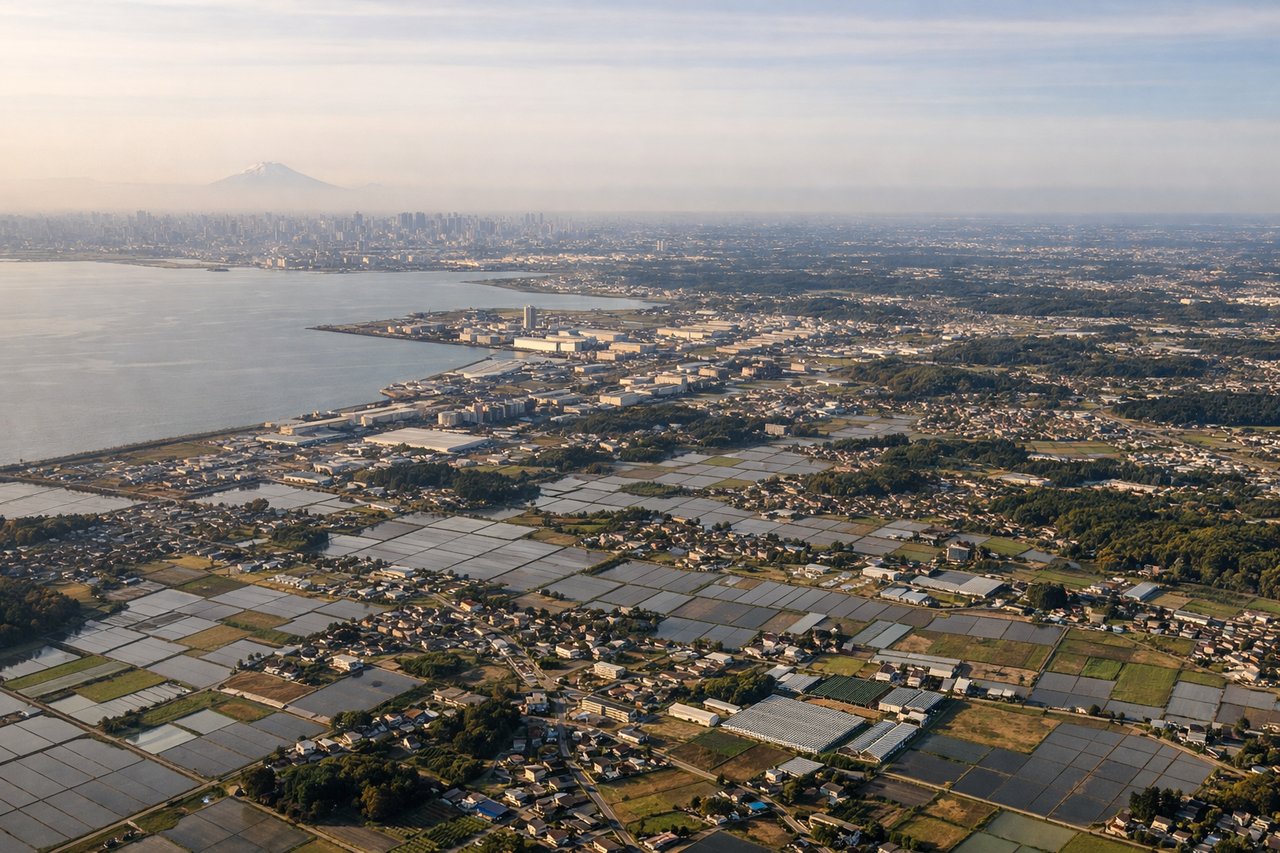
RIGHTOn the descent into Narita, the approach path curves in from the Pacific and lines up for landing, putting Tokyo Bay and, on clear days, the distinctive cone of Mount Fuji on the right side to the southwest. The left side mostly faces open ocean and the flatter Boso Peninsula coastline.
Landmarks on this routeAll landmarks →
Will your flight be in sunlight?
See exactly which side of the plane gets sun and shade at your departure time.
About This Route
Which side of the plane should I sit on flying from Chicago Ohare International (ORD) to New Tokyo International (NRT)?
Sit on the Right side of the plane for the best views on flights from Chicago to Tokyo. The right side wins on both ends of the flight and through much of the cruise: Chicago and Lake Michigan at departure, then Hudson Bay, Arctic Canada, Alaska's mountains, and Kamchatka's volcanic peninsula along the great-circle route north of the Pacific, followed by a Mount Fuji and Tokyo Bay view on arrival. The left side spends most of the flight over featureless Canadian plains and open North Pacific water.
What can I see during takeoff from Chicago Ohare International in Chicago?
During takeoff from Chicago Ohare International (ORD), sit on the Right side for the best views. Departing ORD on a westbound runway, the aircraft banks right onto its northwesterly track toward Canada, swinging the right side toward downtown Chicago's skyline and the Lake Michigan shoreline before the city fades into farmland. The left side only shows flat western suburbs and fields. Notable sights include: Chicago downtown skyline, Lake Michigan shoreline, O'Hare's surrounding suburban grid.
What can I see when landing at New Tokyo International in Tokyo?
When landing at New Tokyo International (NRT), sit on the Right side for the best views. On the descent into Narita, the approach path curves in from the Pacific and lines up for landing, putting Tokyo Bay and, on clear days, the distinctive cone of Mount Fuji on the right side to the southwest. The left side mostly faces open ocean and the flatter Boso Peninsula coastline. Notable sights include: Mount Fuji (distant), Tokyo Bay, Boso Peninsula coastline, Chiba farmland.
How long is the flight from Chicago to Tokyo?
The flight from Chicago Ohare International (ORD) to New Tokyo International (NRT) takes 13h 05m.
What does the Chicago to Tokyo flight path pass over?
Bering Sea and the Aleutian Island chain, with the Kamchatka Peninsula's volcanic ridgeline visible further along the route before the descent into Japan