While the landing approach favors the left, the takeoff from Montreal on the right side offers more dramatic scenery with the St. Lawrence River and Laurentian Mountains. The transatlantic crossing itself provides limited distinctive landmarks at cruise altitude over the Atlantic, making the departure experience the stronger choice for scenic value on this route.
Flown YUL to CPH? Did we get it right?
Flight Path
Montreal to Copenhagen is 3,605 miles (5,802 km), a flight of about 7 hours 15 minutes.
The flight path crosses the Atlantic Ocean with limited visible landmarks during cruise. Passengers may glimpse the southern tip of Greenland (Kap Farvel) if flying a more northerly routing, though this is typically at the edge of visibility. The North Atlantic itself offers open ocean views with occasional cloud formations and, in clear conditions, the curvature of the Earth becoming subtly apparent at 35,000 feet. As the aircraft approaches European airspace, the southern coast of Iceland may be visible on northerly routing variations, followed by the Norwegian coast and North Sea before reaching Danish airspace.
Great circle distance and headings ›Phase by phase
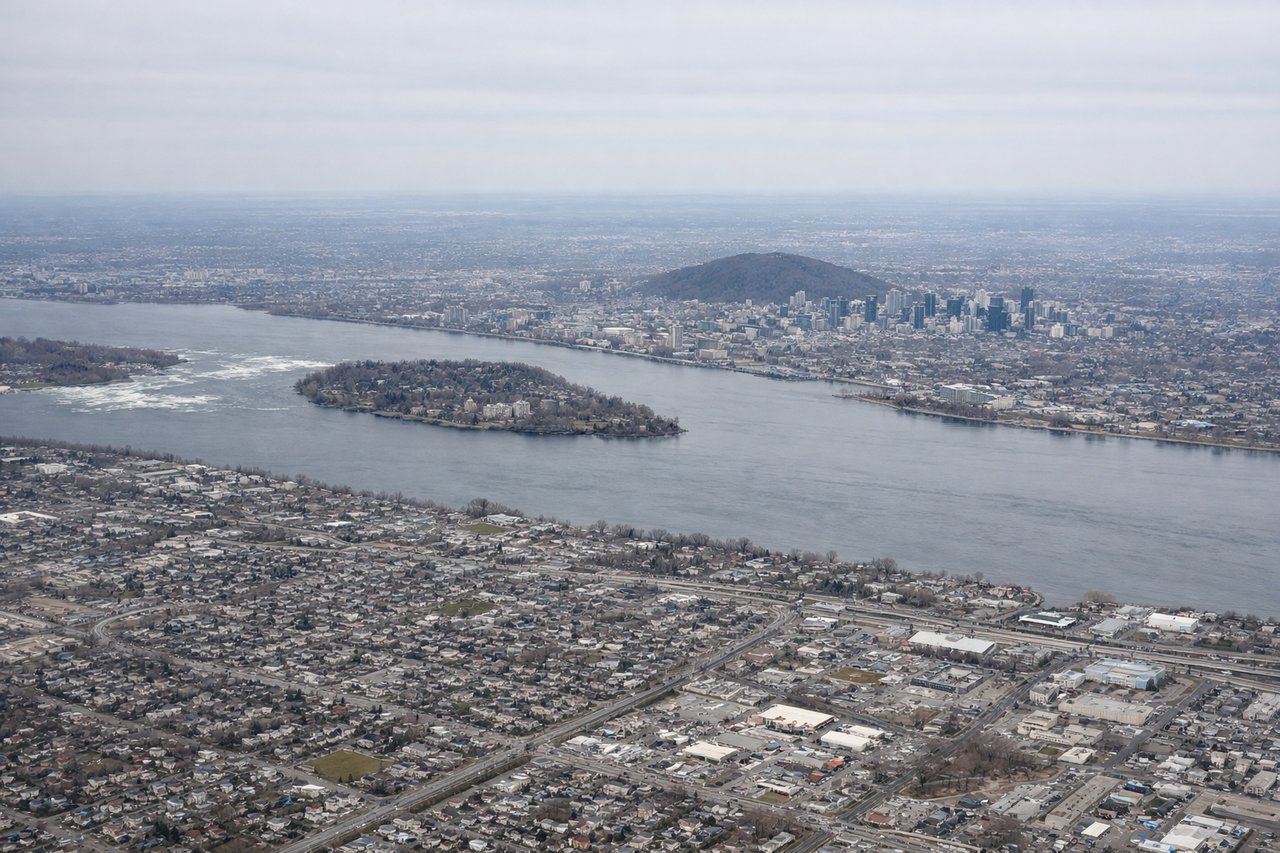
Takeoff from YUL
RIGHTRight-side seats offer views of the St. Lawrence River and the Laurentian Mountains as the aircraft climbs northeastward out of Montreal. The river's distinctive curves and the forested ridge of the Laurentians create strong visual interest during the initial climb.
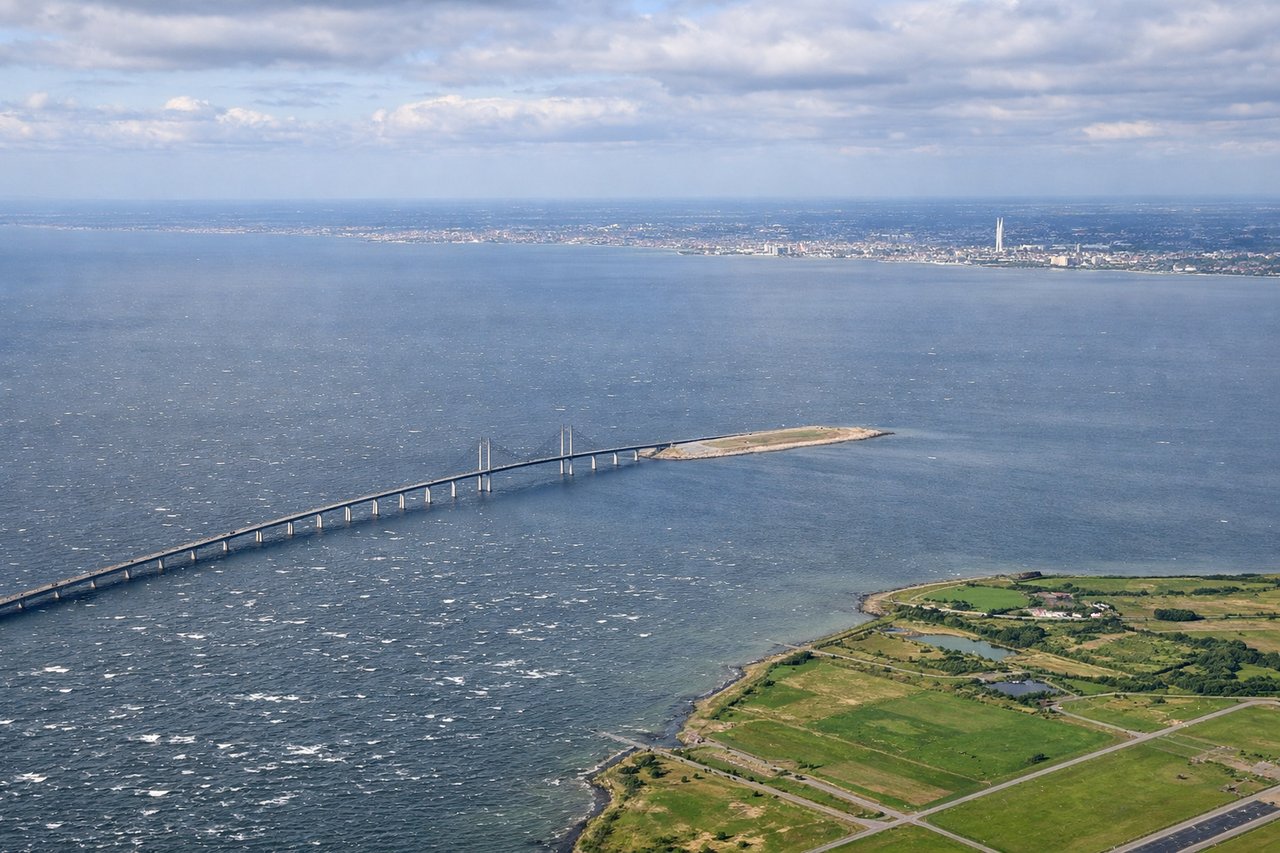
Landing at CPH
LEFTLeft-side seats provide excellent views during descent into Copenhagen. The aircraft approaches from the southwest, and left-side passengers see the Danish coastline, the Øresund Strait, and the transition from rural Sjælland into the Copenhagen metropolitan area with its harbor and urban development.
Will your flight be in sunlight?
Pick a date and time in the Sun Map to watch the sun move across your whole flight.
About This Route
Which side of the plane should I sit on flying from Montreal International Dorval (YUL) to Kastrup (CPH)?
Sit on the Right side of the plane for the best views on flights from Montreal to Copenhagen. While the landing approach favors the left, the takeoff from Montreal on the right side offers more dramatic scenery with the St. Lawrence River and Laurentian Mountains. The transatlantic crossing itself provides limited distinctive landmarks at cruise altitude over the Atlantic, making the departure experience the stronger choice for scenic value on this route.
What can I see during takeoff from Montreal International Dorval in Montreal?
During takeoff from Montreal International Dorval (YUL), sit on the Right side for the best views. Right-side seats offer views of the St. Lawrence River and the Laurentian Mountains as the aircraft climbs northeastward out of Montreal. The river's distinctive curves and the forested ridge of the Laurentians create strong visual interest during the initial climb. Notable sights include: St. Lawrence River, Laurentian Mountains, Montreal urban sprawl, Île-Jésus (Laval).
What can I see when landing at Kastrup in Copenhagen?
When landing at Kastrup (CPH), sit on the Left side for the best views. Left-side seats provide excellent views during descent into Copenhagen. The aircraft approaches from the southwest, and left-side passengers see the Danish coastline, the Øresund Strait, and the transition from rural Sjælland into the Copenhagen metropolitan area with its harbor and urban development. Notable sights include: Øresund Strait, Swedish coast (Scania), Copenhagen harbor and city center, Amager Island.
How long is the flight from Montreal to Copenhagen?
The flight from Montreal International Dorval (YUL) to Kastrup (CPH) takes about 7 hours 15 minutes. The shortest flight path between them is 3,605 miles (5,802 km); winds and air traffic control usually add a few percent.
What does the Montreal to Copenhagen flight path pass over?
The flight path crosses the Atlantic Ocean with limited visible landmarks during cruise. Passengers may glimpse the southern tip of Greenland (Kap Farvel) if flying a more northerly routing, though this is typically at the edge of visibility. The North Atlantic itself offers open ocean views with occasional cloud formations and, in clear conditions, the curvature of the Earth becoming subtly apparent at 35,000 feet. As the aircraft approaches European airspace, the southern coast of Iceland may be visible on northerly routing variations, followed by the Norwegian coast and North Sea before reaching Danish airspace.