The takeoff from Zadar offers more dramatic and distinctive scenery—the Adriatic islands and karst coastline are visually striking and unique. While the Munich landing provides pleasant Bavarian landscape views, the Zadar departure edges ahead for overall visual interest.
Flown ZAD to MUC? Did we get it right?
Flight Path
Zadar to Munich is 340 miles (547 km), a flight of about 1 hour 25 minutes.
The flight path crosses the Alps via the Sava River valley and Ljubljana Basin (Slovenia), then follows the Danube approach toward Bavaria. Notable midpoint features include the Julian Alps (visible as a white ridge from 25,000+ feet), the Ljubljana urban area, and the transition from Alpine terrain to Bavarian foothills near the German border.
Great circle distance and headings ›


Phase by phase
Takeoff from ZAD
RIGHTRight-side seats offer views of the Adriatic coastline and islands immediately after departure. The aircraft climbs northwestward, and right-side windows capture the dramatic limestone karst islands (Ugljan, Pašman, Dugi Otok) and the Zadar Peninsula receding below.
Landing at MUC
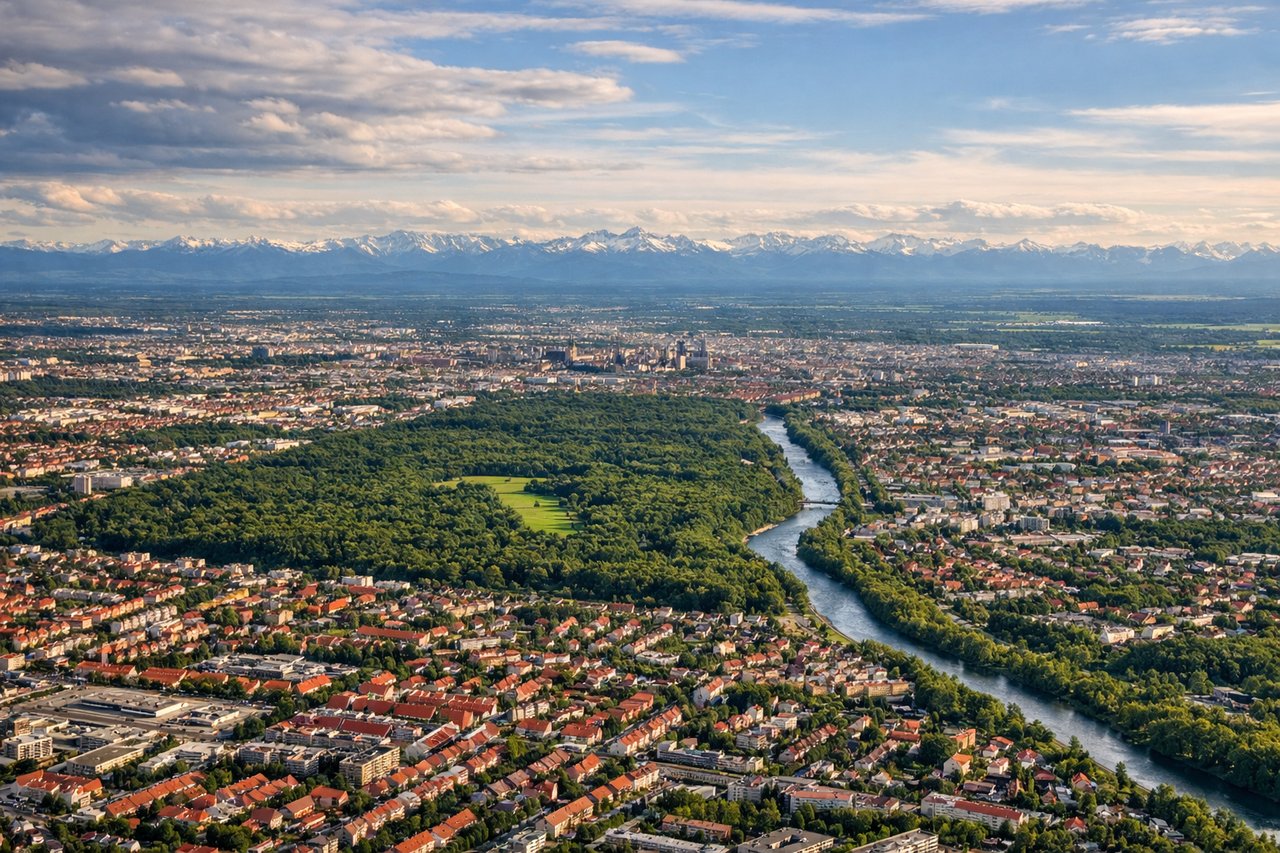
LEFTLeft-side seats provide excellent views during the descent into Munich. The aircraft approaches from the southeast, and left windows frame the Isar River valley, the Bavarian foothills, and the city's urban sprawl as it descends toward the runway.
Will your flight be in sunlight?
Pick a date and time in the Sun Map to watch the sun move across your whole flight.
About This Route
Which side of the plane should I sit on flying from Zadar (ZAD) to Munich (MUC)?
Sit on the Right side of the plane for the best views on flights from Zadar to Munich. The takeoff from Zadar offers more dramatic and distinctive scenery—the Adriatic islands and karst coastline are visually striking and unique. While the Munich landing provides pleasant Bavarian landscape views, the Zadar departure edges ahead for overall visual interest.
What can I see during takeoff from Zadar in Zadar?
During takeoff from Zadar (ZAD), sit on the Right side for the best views. Right-side seats offer views of the Adriatic coastline and islands immediately after departure. The aircraft climbs northwestward, and right-side windows capture the dramatic limestone karst islands (Ugljan, Pašman, Dugi Otok) and the Zadar Peninsula receding below. Notable sights include: Adriatic Sea, Zadar Peninsula, Ugljan Island, Dugi Otok.
What can I see when landing at Munich in Munich?
When landing at Munich (MUC), sit on the Left side for the best views. Left-side seats provide excellent views during the descent into Munich. The aircraft approaches from the southeast, and left windows frame the Isar River valley, the Bavarian foothills, and the city's urban sprawl as it descends toward the runway. Notable sights include: Isar River, Bavarian Alps foothills, Munich city center, Marienplatz district.
How long is the flight from Zadar to Munich?
The flight from Zadar (ZAD) to Munich (MUC) takes about 1 hour 25 minutes. The shortest flight path between them is 340 miles (547 km); winds and air traffic control usually add a few percent.
What does the Zadar to Munich flight path pass over?
The flight path crosses the Alps via the Sava River valley and Ljubljana Basin (Slovenia), then follows the Danube approach toward Bavaria. Notable midpoint features include the Julian Alps (visible as a white ridge from 25,000+ feet), the Ljubljana urban area, and the transition from Alpine terrain to Bavarian foothills near the German border.