Atlanta to Copenhagen is 4,593 miles (7,392 km), a flight of about 9 hours 30 minutes.
The left side wins at both ends of the flight. During the transatlantic cruise at 35,000 feet over the North Atlantic, neither side has a decisive advantage over open ocean, but the left side also tracks closer to the southern tip of Greenland's ice sheet and the coast of Iceland depending on the exact routing, offering occasional glimpses of glaciated terrain on the horizon. Combined with the Atlanta departure and Copenhagen arrival advantages, left is the clear overall choice.
Flight Path
The flight path typically arcs north over the US East Coast (Virginia/Maryland coastline), then crosses the North Atlantic on a great circle route passing south of or over Nova Scotia and Newfoundland, then tracking near the southern tip of Greenland or south of Iceland depending on winds and routing, before descending over the North Sea and southern Scandinavia into Copenhagen. The Labrador Sea, Greenland ice sheet edge, and Norwegian coast are the most visually notable features on clear days.
Great circle distance and headings ›.jpeg?width=600)

Phase by phase

Takeoff from ATL
LEFTATL primarily uses runways 8L/8R/9L/9R for eastbound departures or 26L/26R/27L/27R for westbound. On a northeast-bound transatlantic flight, aircraft typically depart east then turn north, putting the Atlanta downtown skyline and Stone Mountain to the left (north) side. The left seat gets the city grid and the distinctive granite dome of Stone Mountain about 16 miles east-northeast of the airport.
Landing at CPH
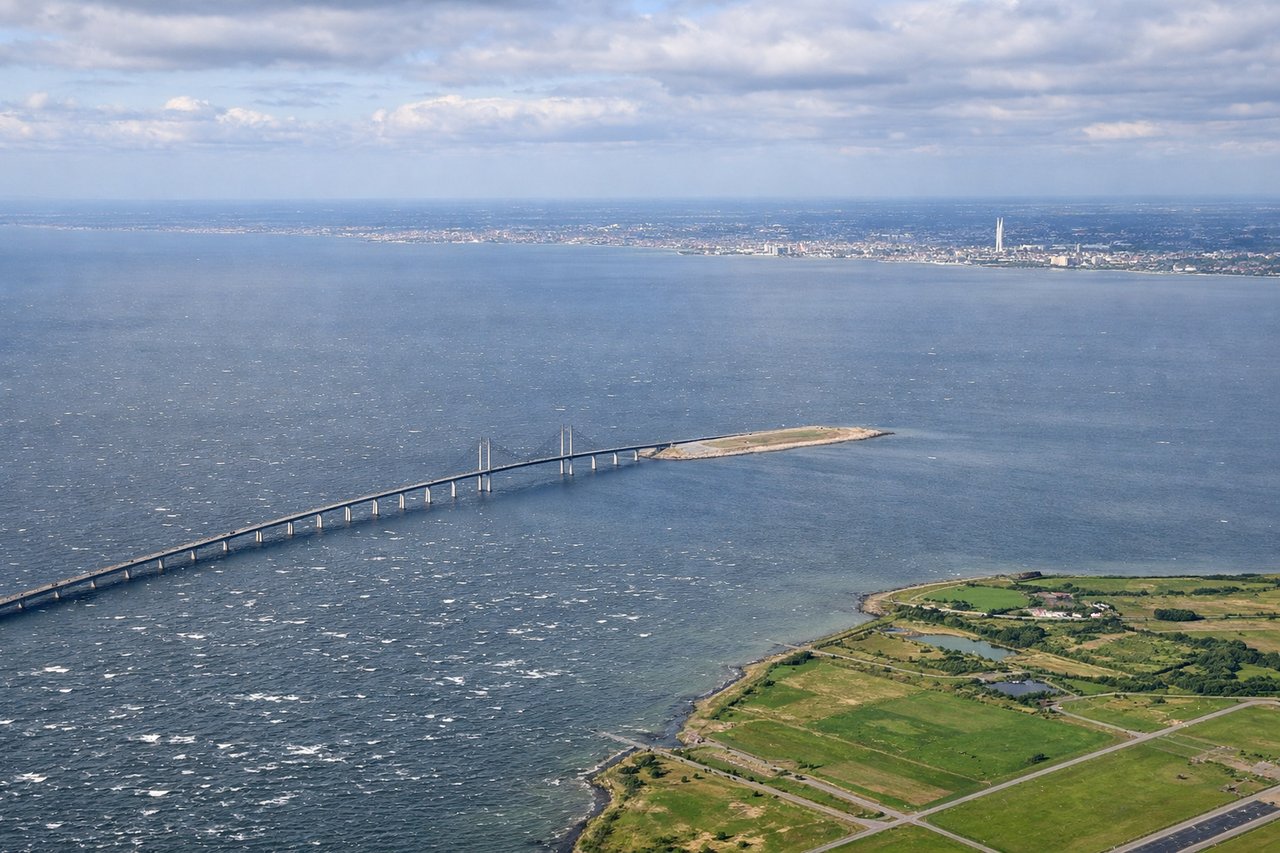
LEFTCopenhagen's Kastrup airport sits on the island of Amager, and aircraft typically land on runway 22L/22R from the northeast or runway 04 from the south. On approach from the west over the Øresund strait, the left side faces north and gives views over central Copenhagen, the harbor, and the Øresund Bridge connecting Denmark to Sweden. The right side faces south over open water and the flat southern tip of Amager.
Landmarks on this routeAll landmarks →
Will your flight be in sunlight?
Pick a date and time in the Sun Map to watch the sun move across your whole flight.
About This Route
Which side of the plane should I sit on flying from The William B Hartsfield Atlanta International (ATL) to Kastrup (CPH)?
Sit on the Left side of the plane for the best views on flights from Atlanta to Copenhagen. The left side wins at both ends of the flight. During the transatlantic cruise at 35,000 feet over the North Atlantic, neither side has a decisive advantage over open ocean, but the left side also tracks closer to the southern tip of Greenland's ice sheet and the coast of Iceland depending on the exact routing, offering occasional glimpses of glaciated terrain on the horizon. Combined with the Atlanta departure and Copenhagen arrival advantages, left is the clear overall choice.
What can I see during takeoff from The William B Hartsfield Atlanta International in Atlanta?
During takeoff from The William B Hartsfield Atlanta International (ATL), sit on the Left side for the best views. ATL primarily uses runways 8L/8R/9L/9R for eastbound departures or 26L/26R/27L/27R for westbound. On a northeast-bound transatlantic flight, aircraft typically depart east then turn north, putting the Atlanta downtown skyline and Stone Mountain to the left (north) side. The left seat gets the city grid and the distinctive granite dome of Stone Mountain about 16 miles east-northeast of the airport. Notable sights include: Atlanta downtown skyline, Stone Mountain granite dome, Lake Lanier reservoir to the north, Chattahoochee River corridor.
What can I see when landing at Kastrup in Copenhagen?
When landing at Kastrup (CPH), sit on the Left side for the best views. Copenhagen's Kastrup airport sits on the island of Amager, and aircraft typically land on runway 22L/22R from the northeast or runway 04 from the south. On approach from the west over the Øresund strait, the left side faces north and gives views over central Copenhagen, the harbor, and the Øresund Bridge connecting Denmark to Sweden. The right side faces south over open water and the flat southern tip of Amager. Notable sights include: Øresund Bridge (Denmark-Sweden), Copenhagen city center and harbor, Malmö skyline across the strait, Amager Fælled wetlands.
How long is the flight from Atlanta to Copenhagen?
The flight from The William B Hartsfield Atlanta International (ATL) to Kastrup (CPH) takes about 9 hours 30 minutes. The shortest flight path between them is 4,593 miles (7,392 km); winds and air traffic control usually add a few percent.
What does the Atlanta to Copenhagen flight path pass over?
The flight path typically arcs north over the US East Coast (Virginia/Maryland coastline), then crosses the North Atlantic on a great circle route passing south of or over Nova Scotia and Newfoundland, then tracking near the southern tip of Greenland or south of Iceland depending on winds and routing, before descending over the North Sea and southern Scandinavia into Copenhagen. The Labrador Sea, Greenland ice sheet edge, and Norwegian coast are the most visually notable features on clear days.