Right-side seats win for the full journey—you get Atlanta's urban landscape on departure and the Atlantic coastline plus Myrtle Beach's beachfront on arrival. This is the more scenic side for this northeast-to-southeast route.
Flown ATL to MYR? Did we get it right?
Flight Path
Atlanta to Myrtle Beach is 316 miles (509 km), a flight of about 1 hour 15 minutes.
Pee Dee River valley, South Carolina Lowcountry transition zone, coastal plain terrain with increasing pine forests and wetlands as you approach the Atlantic
Great circle distance and headings ›Phase by phase
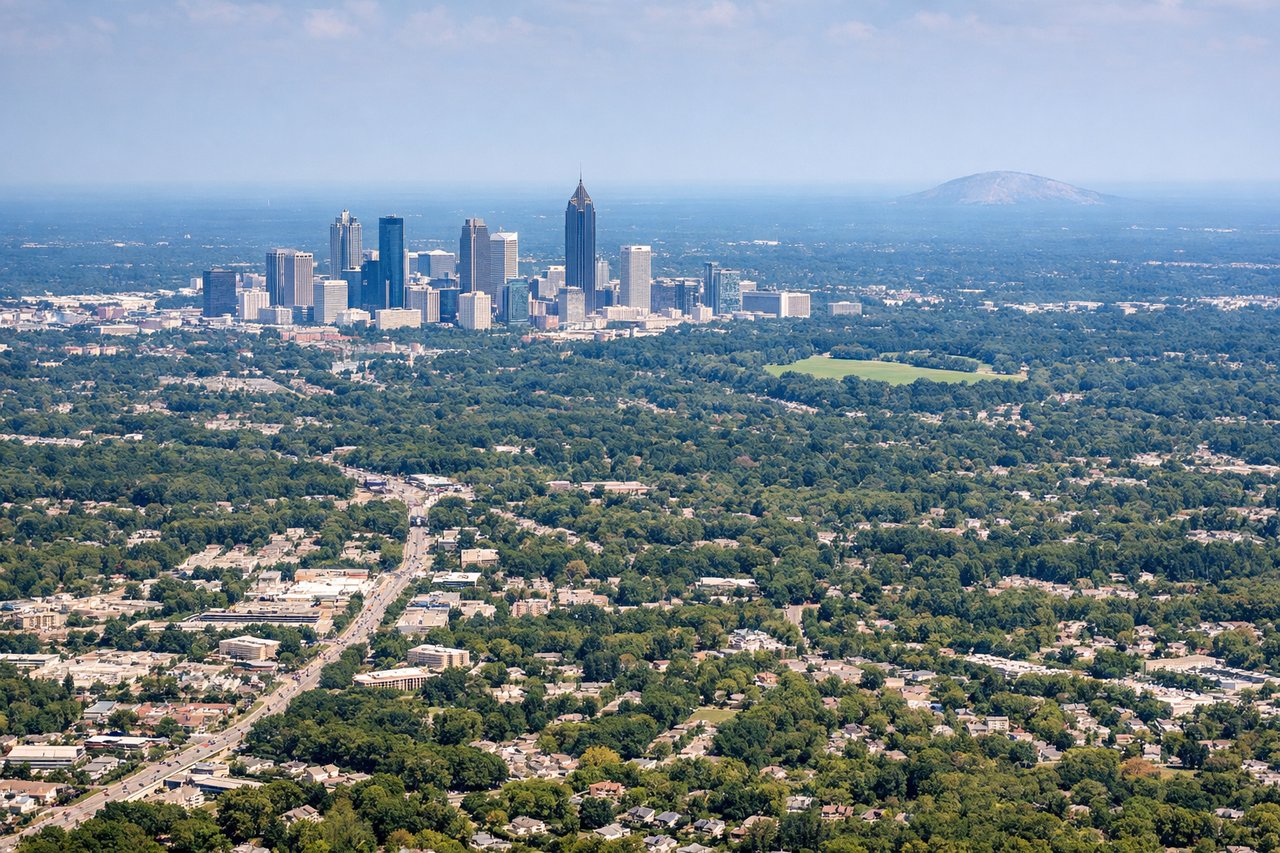
Takeoff from ATL
RIGHTRight-side seats offer views of Atlanta's urban sprawl and the Piedmont region as you climb northeast. You'll see the city grid and surrounding forested terrain that characterizes north-central Georgia.
Landing at MYR
RIGHTRight seats provide excellent views of the Grand Strand coastal area and Myrtle Beach's distinctive beachfront development as you descend. The Atlantic coastline and beach communities are clearly visible on approach.
Will your flight be in sunlight?
Pick a date and time in the Sun Map to watch the sun move across your whole flight.
About This Route
Which side of the plane should I sit on flying from The William B Hartsfield Atlanta International (ATL) to Myrtle Beach International (MYR)?
Sit on the Right side of the plane for the best views on flights from Atlanta to Myrtle Beach. Right-side seats win for the full journey—you get Atlanta's urban landscape on departure and the Atlantic coastline plus Myrtle Beach's beachfront on arrival. This is the more scenic side for this northeast-to-southeast route.
What can I see during takeoff from The William B Hartsfield Atlanta International in Atlanta?
During takeoff from The William B Hartsfield Atlanta International (ATL), sit on the Right side for the best views. Right-side seats offer views of Atlanta's urban sprawl and the Piedmont region as you climb northeast. You'll see the city grid and surrounding forested terrain that characterizes north-central Georgia. Notable sights include: Downtown Atlanta skyline, Chattahoochee River valley, Piedmont plateau terrain, suburban development corridors.
What can I see when landing at Myrtle Beach International in Myrtle Beach?
When landing at Myrtle Beach International (MYR), sit on the Right side for the best views. Right seats provide excellent views of the Grand Strand coastal area and Myrtle Beach's distinctive beachfront development as you descend. The Atlantic coastline and beach communities are clearly visible on approach. Notable sights include: Atlantic Ocean and coastline, Myrtle Beach developed beachfront, Intracoastal Waterway, salt marshes and barrier islands.
How long is the flight from Atlanta to Myrtle Beach?
The flight from The William B Hartsfield Atlanta International (ATL) to Myrtle Beach International (MYR) takes about 1 hour 15 minutes. The shortest flight path between them is 316 miles (509 km); winds and air traffic control usually add a few percent.
What does the Atlanta to Myrtle Beach flight path pass over?
Pee Dee River valley, South Carolina Lowcountry transition zone, coastal plain terrain with increasing pine forests and wetlands as you approach the Atlantic