The left seat wins overall. The Rocky Mountain departure view is one of the most dramatic in North American aviation, and across the Pacific the left side tracks closer to the Aleutian Islands arc and the Kamchatka Peninsula coastline during the great circle route. The right seat wins at landing, but the departure and en-route scenery on the left is more consistently spectacular.
Flown DEN to HND? Did we get it right?
Flight Path
Denver to Tokyo is 5,808 miles (9,348 km), a flight of about 11 hours.
The great circle route from DEN to HND arcs far north, crossing the Rocky Mountains and Columbia Plateau, then tracking over the Pacific Northwest coast near Seattle, out over the Gulf of Alaska, along or near the Aleutian Island chain, past the Kamchatka Peninsula of Russia, then south over the Kuril Islands and Hokkaido before descending into Tokyo. The Aleutian arc and Kamchatka volcanic coastline are the most visually distinctive midpoint features on clear days.
Great circle distance and headings ›


Phase by phase
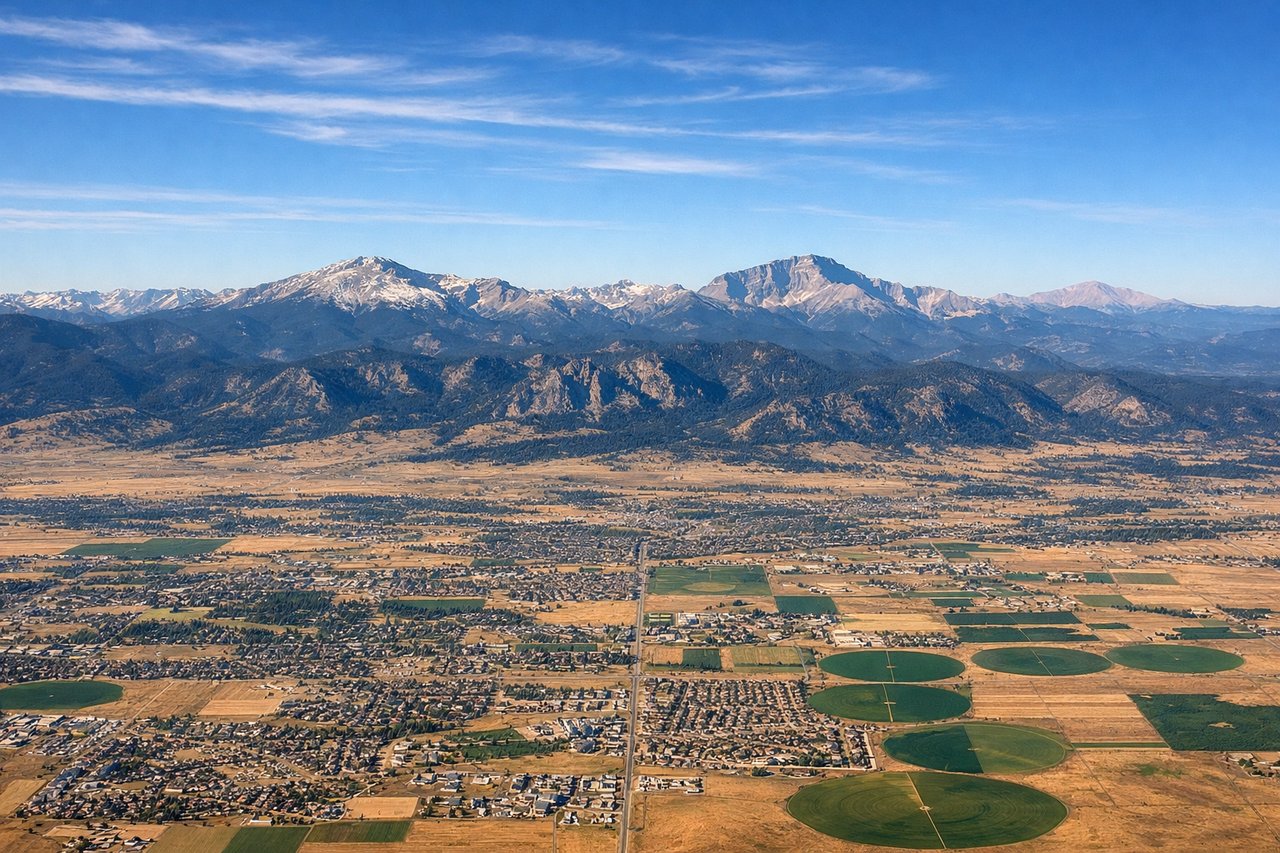
Takeoff from DEN
LEFTDEN typically departs westbound on runway 16R/34L or uses east-west runways. On a westbound departure toward the Pacific, a left (south) seat gives you the Front Range of the Rockies including Pikes Peak and the Denver metro sprawl below. The Rocky Mountain wall is dramatically visible as you climb out heading northwest.
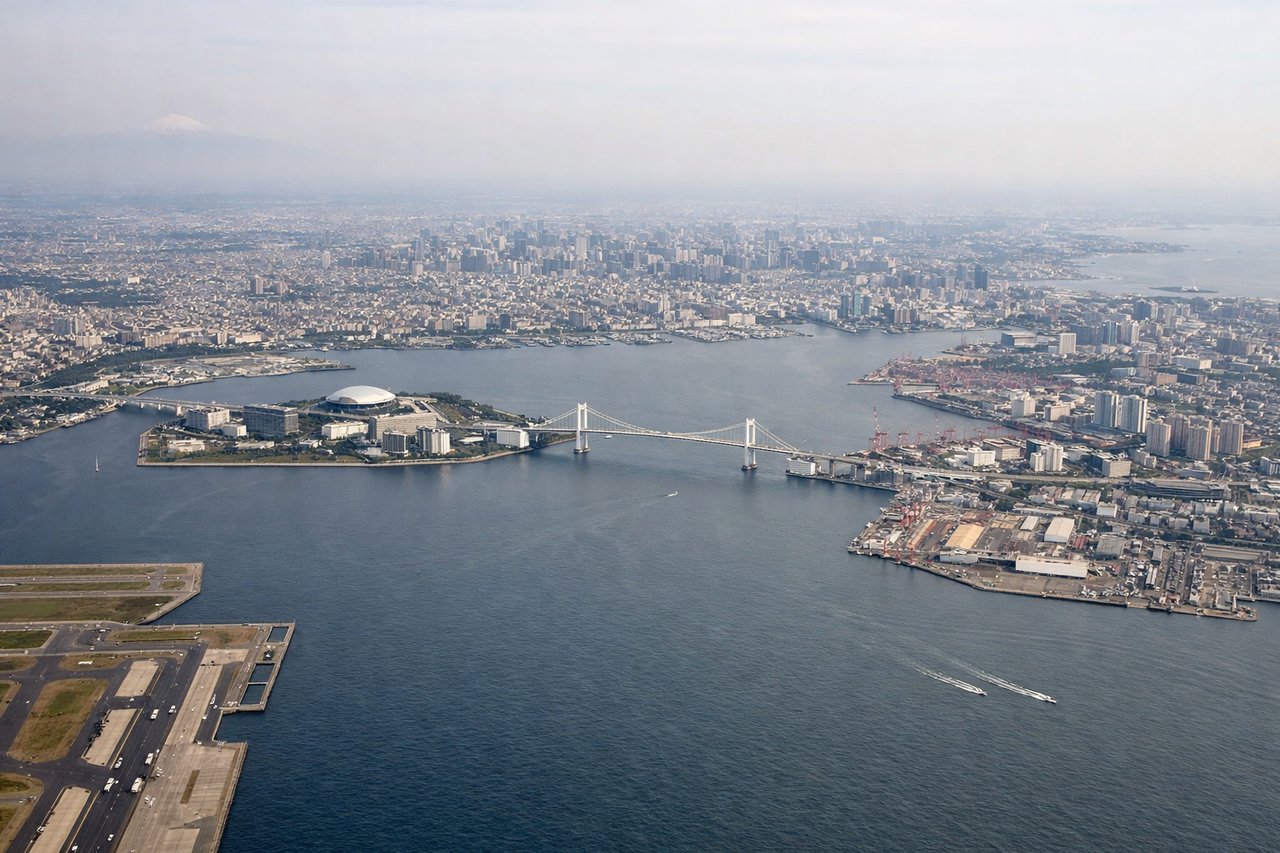
Landing at HND
RIGHTHND approaches from the east or south over Tokyo Bay on runway 34L/R or 05. A right (west) seat on approach from the Pacific gives you Tokyo Bay, the city of Yokohama, and the dense Tokyo urban fabric spreading inland. Mount Fuji is visible to the southwest on clear days during descent.
Will your flight be in sunlight?
Pick a date and time in the Sun Map to watch the sun move across your whole flight.
About This Route
Which side of the plane should I sit on flying from Denver International (DEN) to Tokyo International (HND)?
Sit on the Left side of the plane for the best views on flights from Denver to Tokyo. The left seat wins overall. The Rocky Mountain departure view is one of the most dramatic in North American aviation, and across the Pacific the left side tracks closer to the Aleutian Islands arc and the Kamchatka Peninsula coastline during the great circle route. The right seat wins at landing, but the departure and en-route scenery on the left is more consistently spectacular.
What can I see during takeoff from Denver International in Denver?
During takeoff from Denver International (DEN), sit on the Left side for the best views. DEN typically departs westbound on runway 16R/34L or uses east-west runways. On a westbound departure toward the Pacific, a left (south) seat gives you the Front Range of the Rockies including Pikes Peak and the Denver metro sprawl below. The Rocky Mountain wall is dramatically visible as you climb out heading northwest. Notable sights include: Front Range Rocky Mountains, Pikes Peak to the south, Denver metro grid, Cherry Creek Reservoir.
What can I see when landing at Tokyo International in Tokyo?
When landing at Tokyo International (HND), sit on the Right side for the best views. HND approaches from the east or south over Tokyo Bay on runway 34L/R or 05. A right (west) seat on approach from the Pacific gives you Tokyo Bay, the city of Yokohama, and the dense Tokyo urban fabric spreading inland. Mount Fuji is visible to the southwest on clear days during descent. Notable sights include: Tokyo Bay, Yokohama port and city, Tokyo urban grid, Mount Fuji on the southwestern horizon.
How long is the flight from Denver to Tokyo?
The flight from Denver International (DEN) to Tokyo International (HND) takes about 11 hours. The shortest flight path between them is 5,808 miles (9,348 km); winds and air traffic control usually add a few percent.
What does the Denver to Tokyo flight path pass over?
The great circle route from DEN to HND arcs far north, crossing the Rocky Mountains and Columbia Plateau, then tracking over the Pacific Northwest coast near Seattle, out over the Gulf of Alaska, along or near the Aleutian Island chain, past the Kamchatka Peninsula of Russia, then south over the Kuril Islands and Hokkaido before descending into Tokyo. The Aleutian arc and Kamchatka volcanic coastline are the most visually distinctive midpoint features on clear days.