The left side wins both the New York departure, with its Manhattan and harbor views, and the Geneva arrival, with its dramatic Alpine approach. The right side offers only open ocean during departure climb and the flatter Jura side during landing, with no comparable landmarks.
Flown EWR to GVA? Did we get it right?
Flight Path
Newark to Geneva is 3,868 miles (6,225 km), a flight of about 7 hours 20 minutes.
Route crosses Atlantic Canada near Nova Scotia and Newfoundland, then several hours of open North Atlantic Ocean before making landfall over southern Ireland or southwest England en route to continental Europe.
Great circle distance and headings ›


Phase by phase
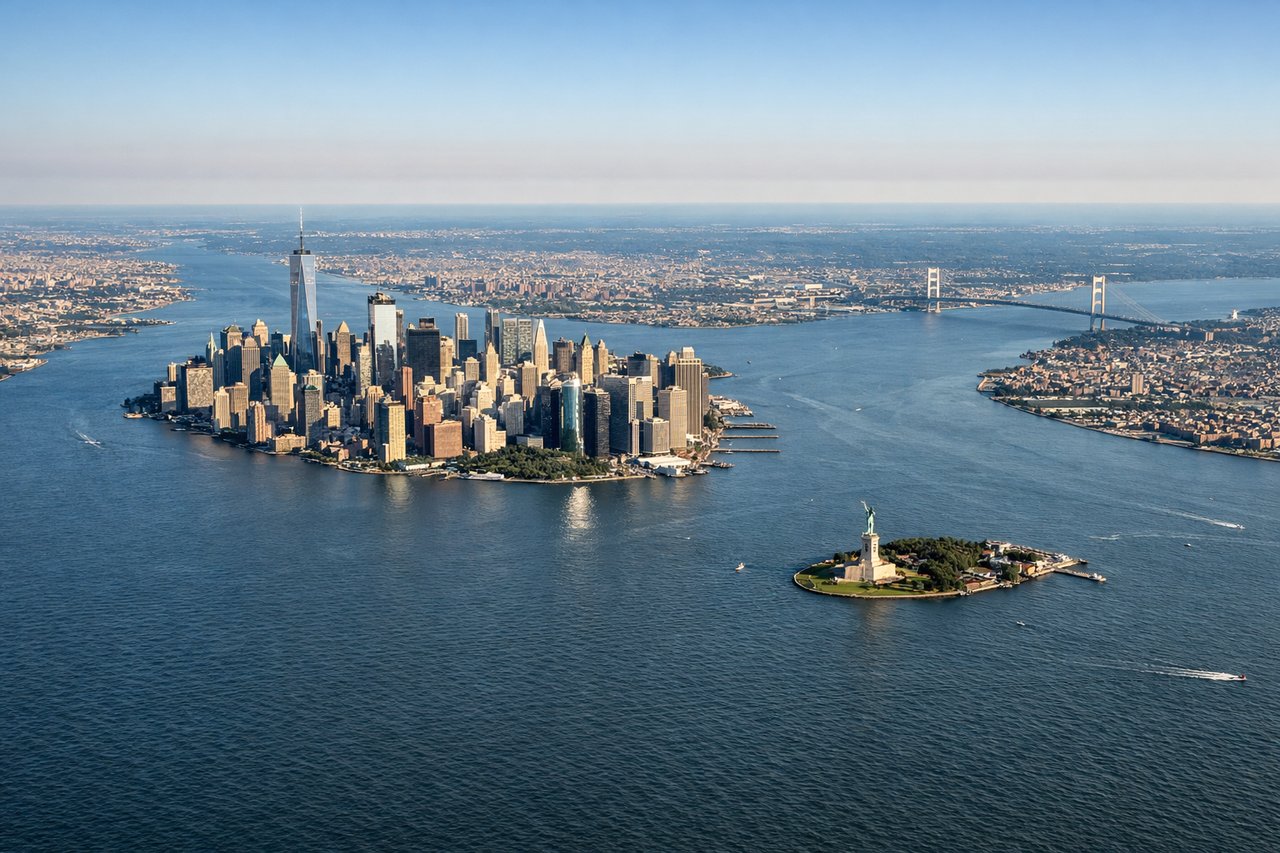
Takeoff from EWR
LEFTDeparting EWR, the climb-out typically banks north before turning east toward New England, putting Manhattan's skyline, the Hudson River, and the Statue of Liberty on the left side of the aircraft. This is one of the most recognizable urban views available on any U.S. departure.
Landing at GVA
LEFTGVA's approach on runway 22 comes in from the northeast along Lake Geneva, and the final turn puts the Alps - including the Mont Blanc massif - squarely on the left side of the cabin. This is a well-known scenic descent that right-side passengers miss entirely.
Will your flight be in sunlight?
Pick a date and time in the Sun Map to watch the sun move across your whole flight.
About This Route
Which side of the plane should I sit on flying from Newark Liberty International (EWR) to Geneva Cointrin (GVA)?
Sit on the Left side of the plane for the best views on flights from Newark to Geneva. The left side wins both the New York departure, with its Manhattan and harbor views, and the Geneva arrival, with its dramatic Alpine approach. The right side offers only open ocean during departure climb and the flatter Jura side during landing, with no comparable landmarks.
What can I see during takeoff from Newark Liberty International in Newark?
During takeoff from Newark Liberty International (EWR), sit on the Left side for the best views. Departing EWR, the climb-out typically banks north before turning east toward New England, putting Manhattan's skyline, the Hudson River, and the Statue of Liberty on the left side of the aircraft. This is one of the most recognizable urban views available on any U.S. departure. Notable sights include: Manhattan skyline, Hudson River, Statue of Liberty, Newark Bay.
What can I see when landing at Geneva Cointrin in Geneva?
When landing at Geneva Cointrin (GVA), sit on the Left side for the best views. GVA's approach on runway 22 comes in from the northeast along Lake Geneva, and the final turn puts the Alps - including the Mont Blanc massif - squarely on the left side of the cabin. This is a well-known scenic descent that right-side passengers miss entirely. Notable sights include: Lake Geneva shoreline, Mont Blanc massif, Swiss Alps foothills, city of Geneva.
How long is the flight from Newark to Geneva?
The flight from Newark Liberty International (EWR) to Geneva Cointrin (GVA) takes about 7 hours 20 minutes. The shortest flight path between them is 3,868 miles (6,225 km); winds and air traffic control usually add a few percent.
What does the Newark to Geneva flight path pass over?
Route crosses Atlantic Canada near Nova Scotia and Newfoundland, then several hours of open North Atlantic Ocean before making landfall over southern Ireland or southwest England en route to continental Europe.