The left side wins primarily on takeoff, thanks to the rare and dramatic view of the Manhattan skyline and New York Harbor right after departure, which outweighs the modest Dallas skyline glimpse on landing.
Flight Path
The route crosses the Appalachian ridges of Pennsylvania, the flat farmland of Ohio and Indiana, and the Mississippi River valley before descending over the plains of Arkansas and North Texas — mostly featureless agricultural land with little terrain relief.
Great circle distance and headings ›.jpg?width=600)
.jpeg?width=600)

Phase by phase
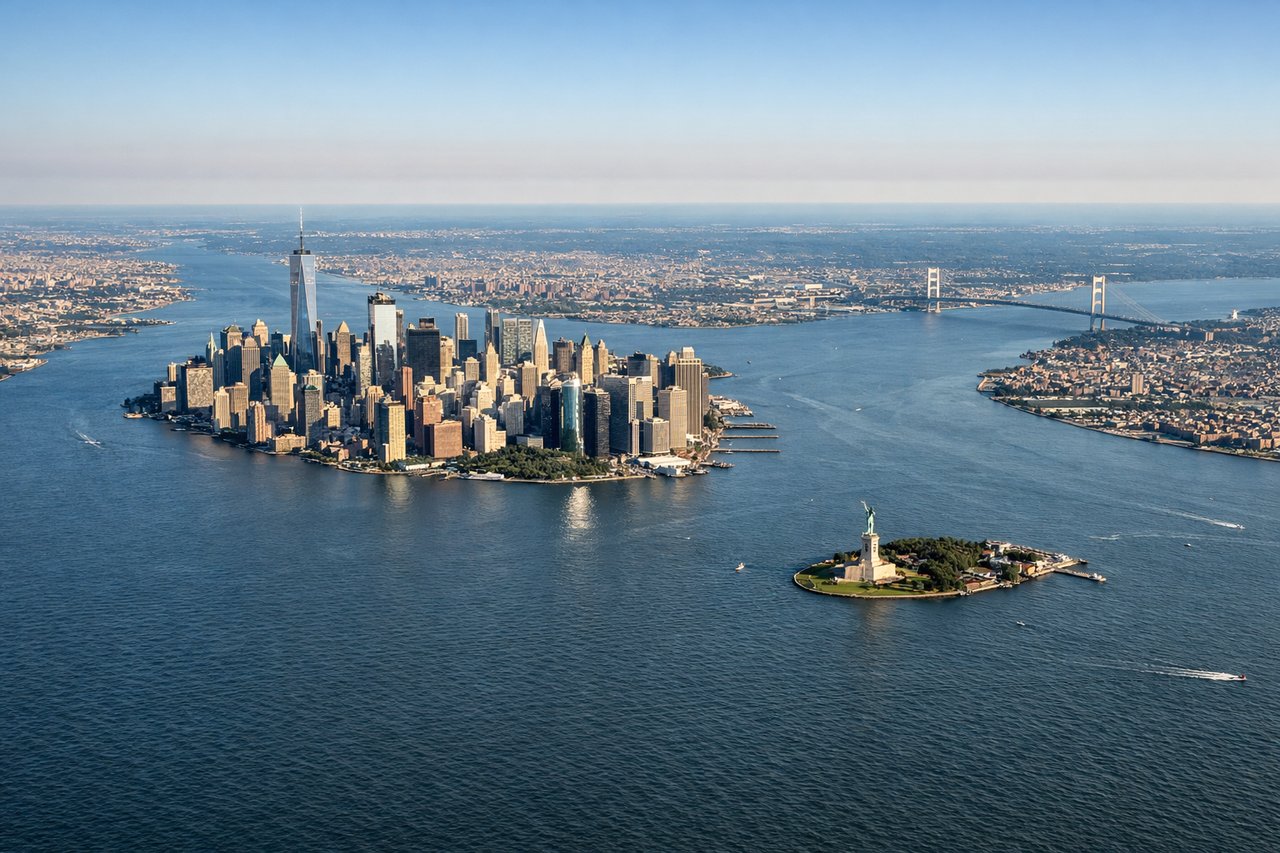
Takeoff from EWR
LEFTDeparting EWR westbound-turning flights typically bank south, giving left-side passengers a view of the Manhattan skyline, Upper Bay, and Staten Island before the plane turns west over New Jersey. Right side just sees suburban New Jersey with less identifiable scenery.
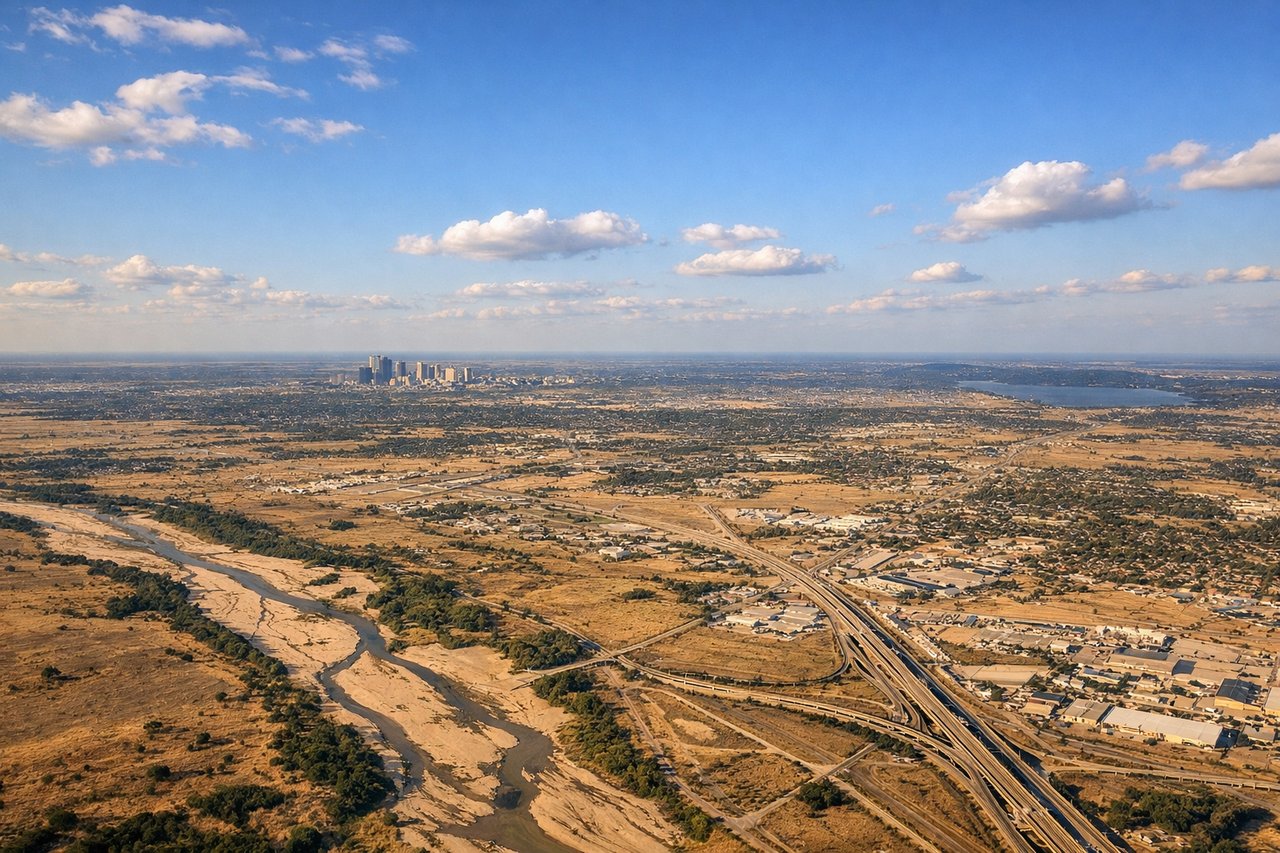
Landing at DFW
RIGHTArrivals into DFW from the northeast commonly circle to land on the north-south runways, putting the Dallas downtown skyline and Trinity River on the right side during the final turn. It's a modest but genuine landmark in an otherwise flat approach.
Landmarks on this routeAll landmarks →
Will your flight be in sunlight?
See exactly which side of the plane gets sun and shade at your departure time.
About This Route
Which side of the plane should I sit on flying from Newark Liberty International (EWR) to Dallas Fort Worth International (DFW)?
Sit on the Left side of the plane for the best views on flights from Newark to Dallas-Fort Worth. The left side wins primarily on takeoff, thanks to the rare and dramatic view of the Manhattan skyline and New York Harbor right after departure, which outweighs the modest Dallas skyline glimpse on landing.
What can I see during takeoff from Newark Liberty International in Newark?
During takeoff from Newark Liberty International (EWR), sit on the Left side for the best views. Departing EWR westbound-turning flights typically bank south, giving left-side passengers a view of the Manhattan skyline, Upper Bay, and Staten Island before the plane turns west over New Jersey. Right side just sees suburban New Jersey with less identifiable scenery. Notable sights include: Manhattan skyline, Upper New York Bay, Statue of Liberty area, Staten Island.
What can I see when landing at Dallas Fort Worth International in Dallas-Fort Worth?
When landing at Dallas Fort Worth International (DFW), sit on the Right side for the best views. Arrivals into DFW from the northeast commonly circle to land on the north-south runways, putting the Dallas downtown skyline and Trinity River on the right side during the final turn. It's a modest but genuine landmark in an otherwise flat approach. Notable sights include: Dallas downtown skyline, Trinity River, DFW airport terminal complex, flat North Texas plains.
How long is the flight from Newark to Dallas-Fort Worth?
The flight from Newark Liberty International (EWR) to Dallas Fort Worth International (DFW) takes 3h 35m.
What does the Newark to Dallas-Fort Worth flight path pass over?
The route crosses the Appalachian ridges of Pennsylvania, the flat farmland of Ohio and Indiana, and the Mississippi River valley before descending over the plains of Arkansas and North Texas — mostly featureless agricultural land with little terrain relief.