The left side bookends the flight with two genuine landmarks — the Manhattan skyline on departure and the Paris skyline on arrival — while the cruise itself is almost entirely open Atlantic Ocean, capping how scenic either side can be for most of the flight.
Flight Path
Open North Atlantic Ocean for most of the crossing, with the flight path passing near the southern coasts of Nova Scotia and Newfoundland shortly after the U.S. coast and near southern Ireland before making landfall over England and the English Channel toward France.
Great circle distance and headings ›.jpg?width=600)
.jpg?width=600)
Phase by phase
Takeoff from JFK
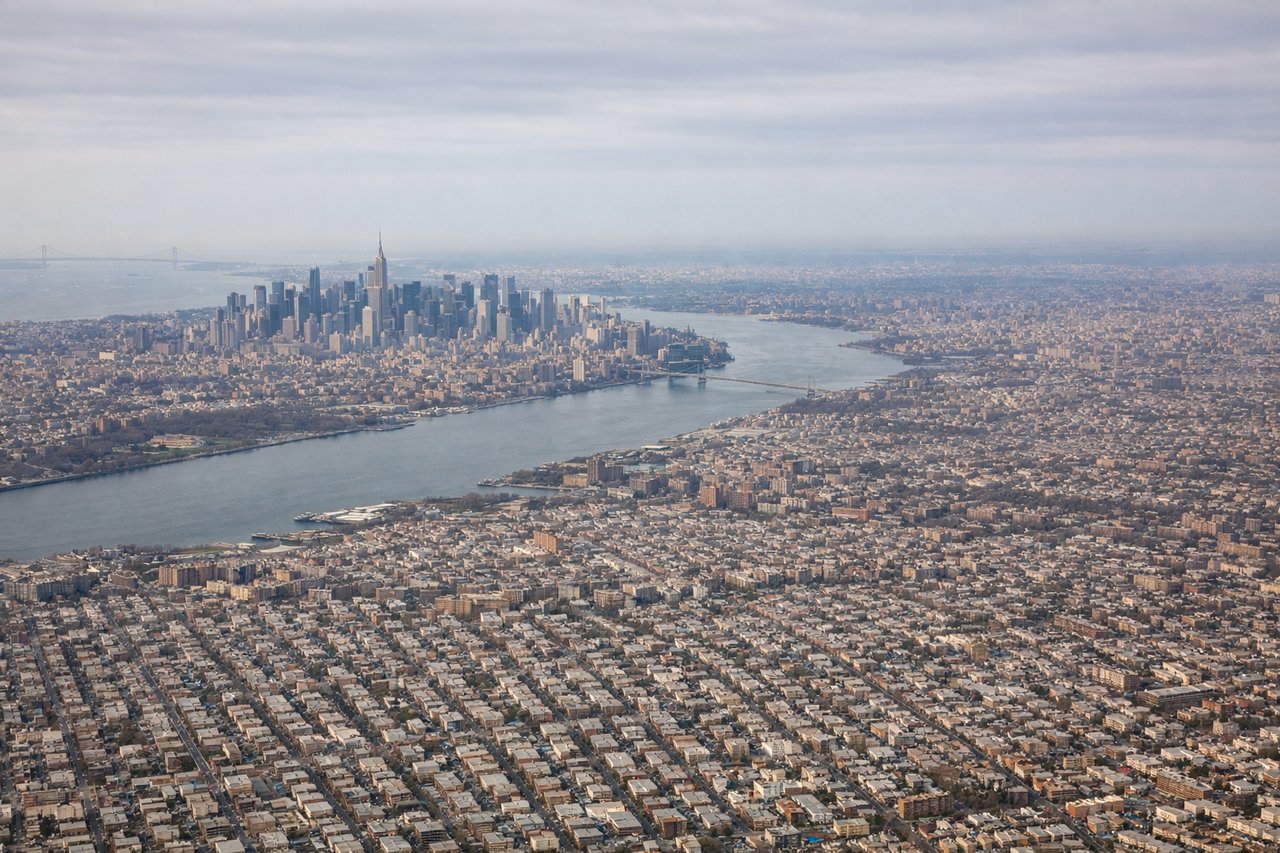
LEFTDepartures off JFK's 31L typically bank right toward the northeast track to Europe, swinging the Manhattan skyline and Long Island Sound into view on the left side just after liftoff. The right side over Jamaica Bay and the Rockaways shows only marsh and open ocean.
Landing at CDG
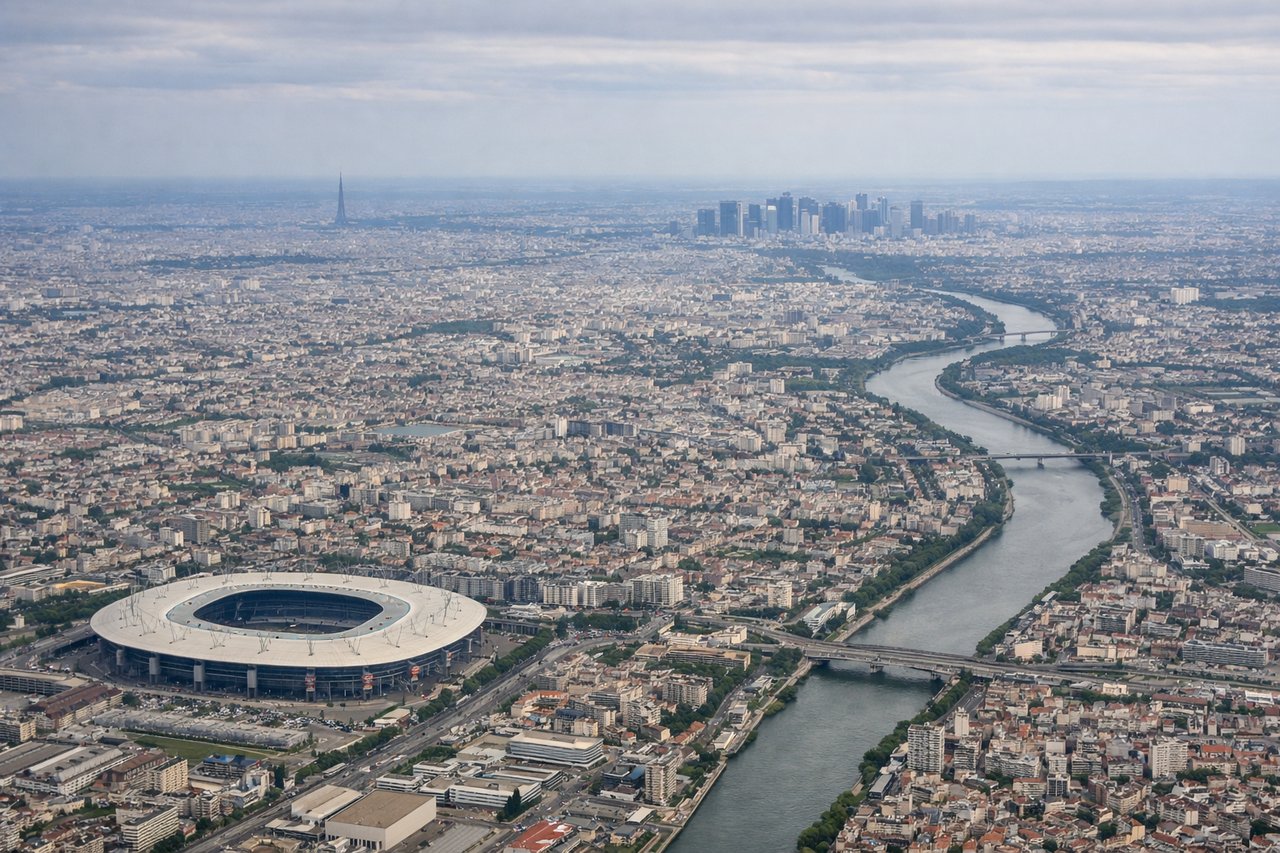
LEFTWith CDG's typical westerly landing configuration, the final approach comes in from the east, putting Paris and the Seine valley off to the left (south) side during descent. The right side mostly shows flat Picardy farmland with no major landmarks.
Landmarks on this routeAll landmarks →
Will your flight be in sunlight?
See exactly which side of the plane gets sun and shade at your departure time.
About This Route
Which side of the plane should I sit on flying from John F Kennedy International (JFK) to Charles De Gaulle (CDG)?
Sit on the Left side of the plane for the best views on flights from New York to Paris. The left side bookends the flight with two genuine landmarks — the Manhattan skyline on departure and the Paris skyline on arrival — while the cruise itself is almost entirely open Atlantic Ocean, capping how scenic either side can be for most of the flight.
What can I see during takeoff from John F Kennedy International in New York?
During takeoff from John F Kennedy International (JFK), sit on the Left side for the best views. Departures off JFK's 31L typically bank right toward the northeast track to Europe, swinging the Manhattan skyline and Long Island Sound into view on the left side just after liftoff. The right side over Jamaica Bay and the Rockaways shows only marsh and open ocean. Notable sights include: Manhattan skyline (Empire State Building, One World Trade Center), East River, Long Island Sound, Connecticut shoreline.
What can I see when landing at Charles De Gaulle in Paris?
When landing at Charles De Gaulle (CDG), sit on the Left side for the best views. With CDG's typical westerly landing configuration, the final approach comes in from the east, putting Paris and the Seine valley off to the left (south) side during descent. The right side mostly shows flat Picardy farmland with no major landmarks. Notable sights include: Paris skyline (Eiffel Tower, La Défense towers), Seine River bends, Bois de Boulogne, patchwork farmland of the Île-de-France.
How long is the flight from New York to Paris?
The flight from John F Kennedy International (JFK) to Charles De Gaulle (CDG) takes 7h 10m.
What does the New York to Paris flight path pass over?
Open North Atlantic Ocean for most of the crossing, with the flight path passing near the southern coasts of Nova Scotia and Newfoundland shortly after the U.S. coast and near southern Ireland before making landfall over England and the English Channel toward France.