The left side captures both scenic bookends of the flight—Paris landmarks during climb-out and the Manhattan skyline during the JFK approach—while the right side offers only brief, less distinctive coastal glimpses of Ireland and Newfoundland during the long oceanic cruise.
Flight Path
Open North Atlantic Ocean over the Grand Banks southeast of Newfoundland, with no land visible for several hours between the Irish coast and the Canadian Maritimes.
Great circle distance and headings ›.jpg?width=600)
.jpg?width=600)
Phase by phase
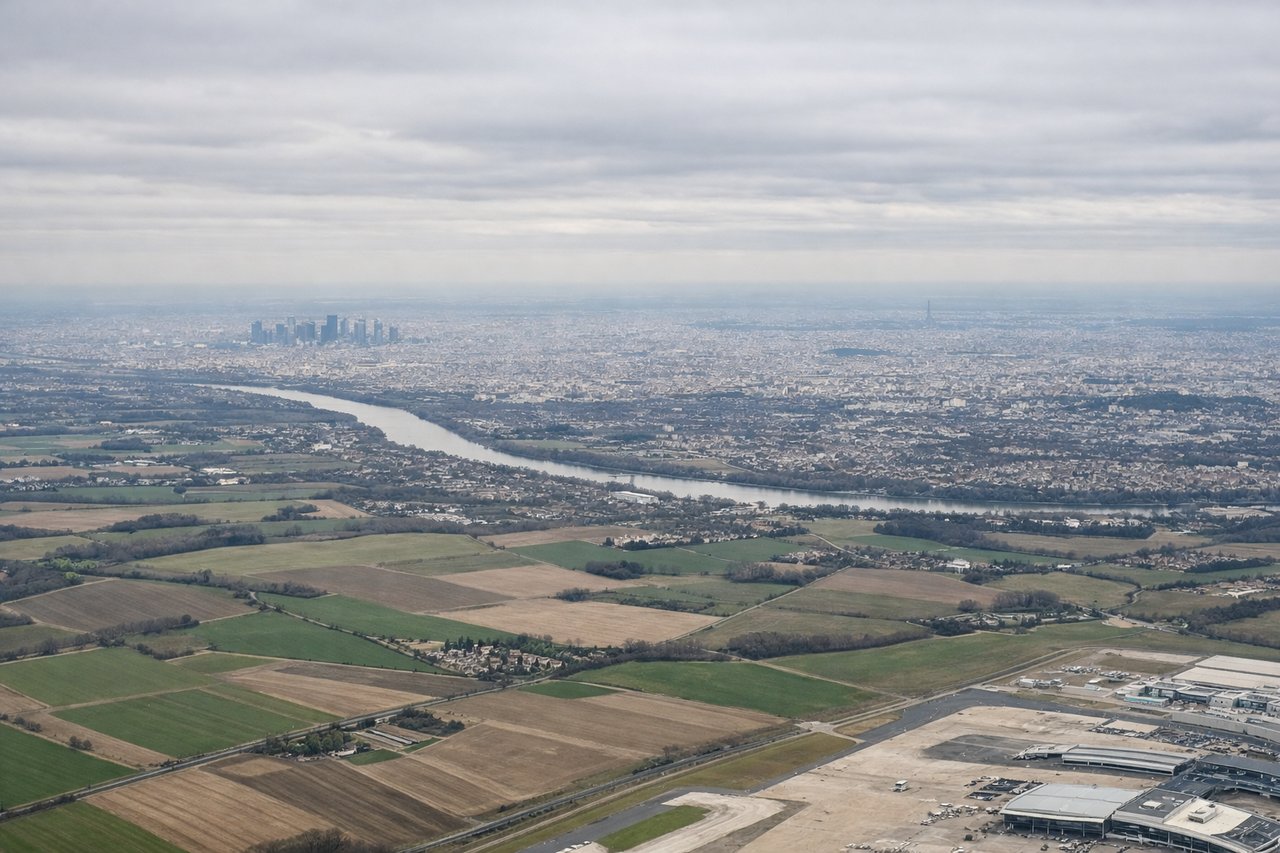
Takeoff from CDG
LEFTCDG departs to the west and the initial right-hand turn toward the UK/Atlantic track puts central Paris directly out the left windows for a couple of minutes. Passengers on the right mostly see the flat farmland of the Île-de-France and Picardy with no major landmarks.
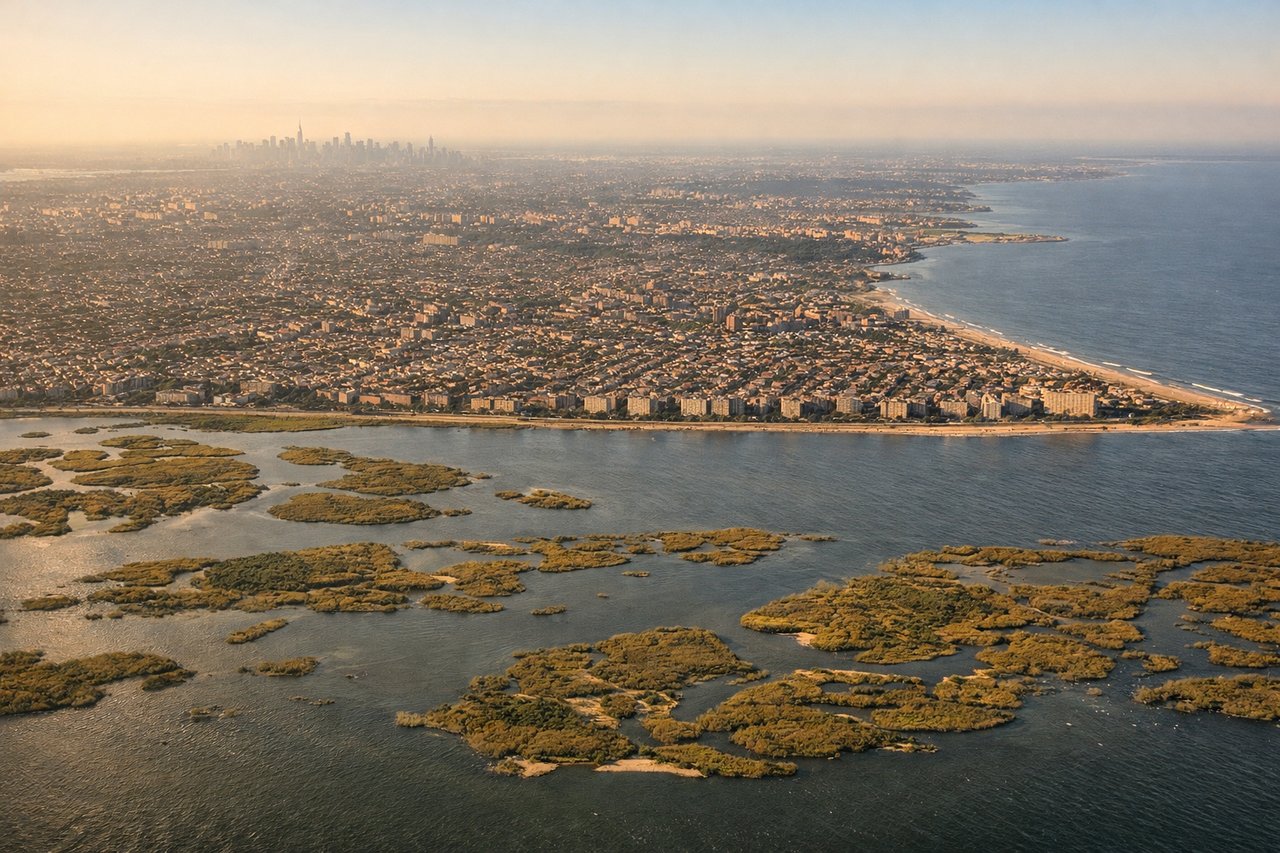
Landing at JFK
LEFTOn the common northeast-to-southwest approach for runways 22L/22R, the aircraft tracks down Long Island Sound and banks over Queens before lining up, giving left-side passengers a clear view of the Manhattan skyline and the East River. Right-side passengers see mostly the flatter south shore of Long Island and open ocean.
Landmarks on this routeAll landmarks →
Will your flight be in sunlight?
See exactly which side of the plane gets sun and shade at your departure time.
About This Route
Which side of the plane should I sit on flying from Charles De Gaulle (CDG) to John F Kennedy International (JFK)?
Sit on the Left side of the plane for the best views on flights from Paris to New York. The left side captures both scenic bookends of the flight—Paris landmarks during climb-out and the Manhattan skyline during the JFK approach—while the right side offers only brief, less distinctive coastal glimpses of Ireland and Newfoundland during the long oceanic cruise.
What can I see during takeoff from Charles De Gaulle in Paris?
During takeoff from Charles De Gaulle (CDG), sit on the Left side for the best views. CDG departs to the west and the initial right-hand turn toward the UK/Atlantic track puts central Paris directly out the left windows for a couple of minutes. Passengers on the right mostly see the flat farmland of the Île-de-France and Picardy with no major landmarks. Notable sights include: Eiffel Tower, Seine river loops, Sacré-Cœur/Montmartre, La Défense skyline.
What can I see when landing at John F Kennedy International in New York?
When landing at John F Kennedy International (JFK), sit on the Left side for the best views. On the common northeast-to-southwest approach for runways 22L/22R, the aircraft tracks down Long Island Sound and banks over Queens before lining up, giving left-side passengers a clear view of the Manhattan skyline and the East River. Right-side passengers see mostly the flatter south shore of Long Island and open ocean. Notable sights include: Manhattan skyline, Throgs Neck Bridge, Long Island Sound, LaGuardia Airport area.
How long is the flight from Paris to New York?
The flight from Charles De Gaulle (CDG) to John F Kennedy International (JFK) takes 8h 35m.
What does the Paris to New York flight path pass over?
Open North Atlantic Ocean over the Grand Banks southeast of Newfoundland, with no land visible for several hours between the Irish coast and the Canadian Maritimes.