Left side delivers the Frankfurt skyline and Main River on departure, then during the cruise tracks over Central Asia where left-side views include the Caspian Sea, Hindu Kush ranges, and Tibetan plateau edges. On arrival, left side captures Lantau's dramatic peaks and the Hong Kong harbor panorama. Right side has comparatively less distinctive geography throughout.
Flown FRA to HKG? Did we get it right?
Flight Path
Frankfurt to Hong Kong is 5,688 miles (9,154 km), a flight of about 11 hours 30 minutes.
The route crosses southern Germany, Austria, then tracks over the Black Sea or southern Ukraine, across the Caspian Sea, over northern Iran and Turkmenistan, across Afghanistan and Pakistan near the Hindu Kush, over northern India and the Indo-Gangetic Plain, skirting the southern edge of the Tibetan Plateau, then descending over southern China and the Pearl River Delta into Hong Kong.
Great circle distance and headings ›


Phase by phase
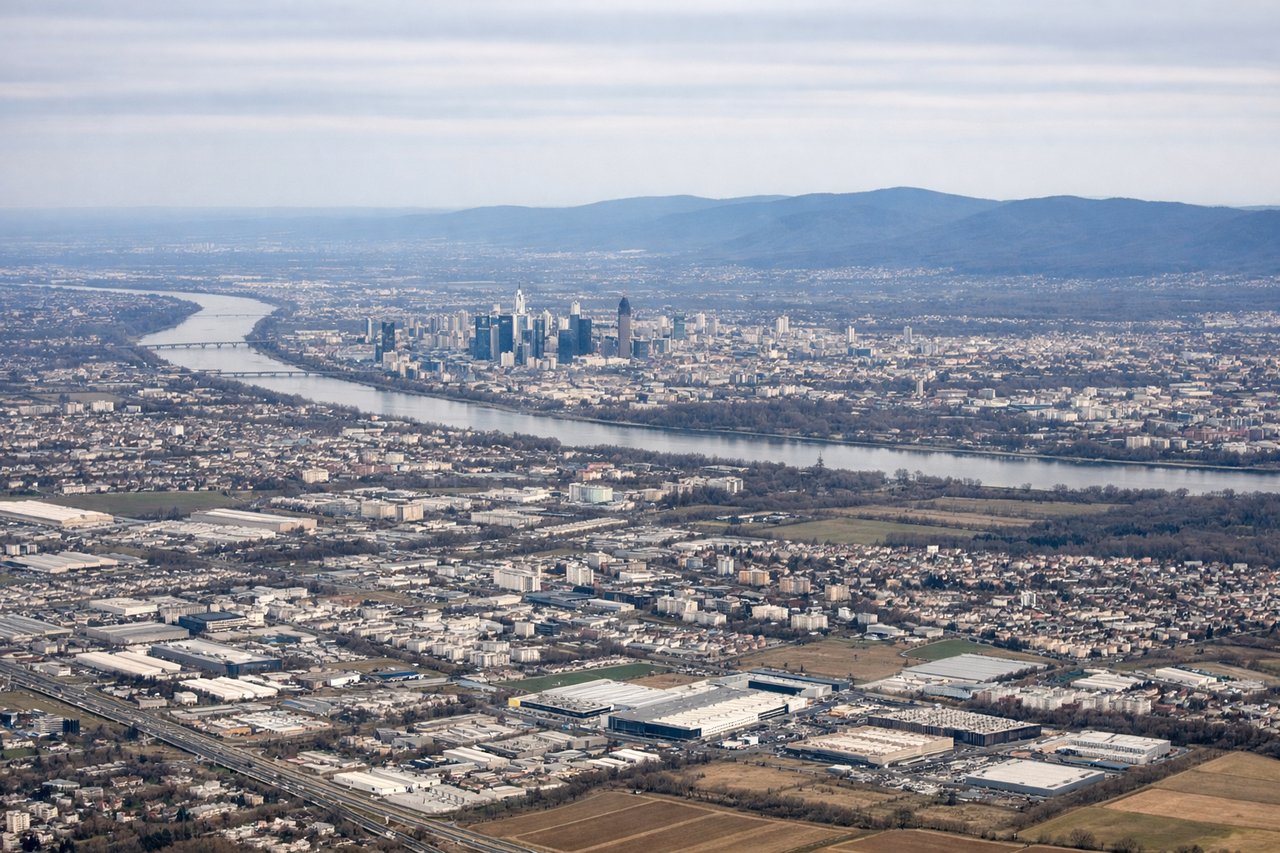
Takeoff from FRA
LEFTFrankfurt typically departs eastbound on runway 07L/07R or southbound on 18, and left-side seats face north toward the Main River valley and Frankfurt city skyline. The Taunus hills rise clearly to the northwest, and the city's distinctive banking district towers are visible during the initial climb.
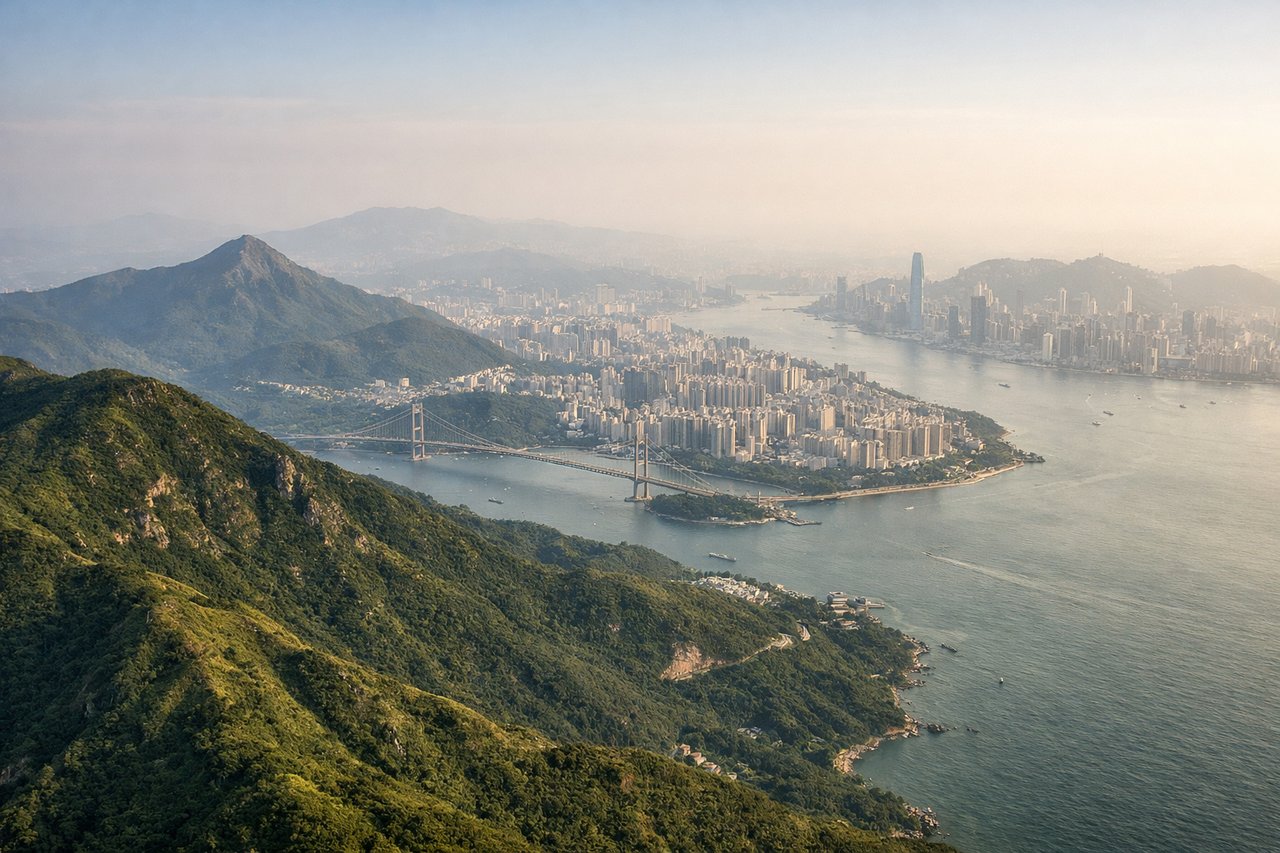
Landing at HKG
LEFTHong Kong International on Lantau Island typically lands westbound on runway 07L approach from the east, meaning the aircraft tracks over the South China Sea and Pearl River estuary. Left-side seats face south toward Lantau's mountainous interior and the dense urban mass of Kowloon and Hong Kong Island visible across the harbor.
Will your flight be in sunlight?
Pick a date and time in the Sun Map to watch the sun move across your whole flight.
About This Route
Which side of the plane should I sit on flying from Frankfurt Main (FRA) to Hong Kong International (HKG)?
Sit on the Left side of the plane for the best views on flights from Frankfurt to Hong Kong. Left side delivers the Frankfurt skyline and Main River on departure, then during the cruise tracks over Central Asia where left-side views include the Caspian Sea, Hindu Kush ranges, and Tibetan plateau edges. On arrival, left side captures Lantau's dramatic peaks and the Hong Kong harbor panorama. Right side has comparatively less distinctive geography throughout.
What can I see during takeoff from Frankfurt Main in Frankfurt?
During takeoff from Frankfurt Main (FRA), sit on the Left side for the best views. Frankfurt typically departs eastbound on runway 07L/07R or southbound on 18, and left-side seats face north toward the Main River valley and Frankfurt city skyline. The Taunus hills rise clearly to the northwest, and the city's distinctive banking district towers are visible during the initial climb. Notable sights include: Frankfurt Bankenviertel skyline, Main River bend, Taunus hills, Sachsenhausen district.
What can I see when landing at Hong Kong International in Hong Kong?
When landing at Hong Kong International (HKG), sit on the Left side for the best views. Hong Kong International on Lantau Island typically lands westbound on runway 07L approach from the east, meaning the aircraft tracks over the South China Sea and Pearl River estuary. Left-side seats face south toward Lantau's mountainous interior and the dense urban mass of Kowloon and Hong Kong Island visible across the harbor. Notable sights include: Lantau Peak and Sunset Peak ridgeline, Victoria Harbour, Kowloon Peninsula grid, Hong Kong Island skyline.
How long is the flight from Frankfurt to Hong Kong?
The flight from Frankfurt Main (FRA) to Hong Kong International (HKG) takes about 11 hours 30 minutes. The shortest flight path between them is 5,688 miles (9,154 km); winds and air traffic control usually add a few percent.
What does the Frankfurt to Hong Kong flight path pass over?
The route crosses southern Germany, Austria, then tracks over the Black Sea or southern Ukraine, across the Caspian Sea, over northern Iran and Turkmenistan, across Afghanistan and Pakistan near the Hindu Kush, over northern India and the Indo-Gangetic Plain, skirting the southern edge of the Tibetan Plateau, then descending over southern China and the Pearl River Delta into Hong Kong.