The right side wins because the great-circle route north of the Atlantic puts Norway's coastal mountains and, most dramatically, the glaciated coastline and ice cap of southern Greenland on that side during cruise — a rare and visually striking feature that outweighs the ocean and plains views on the left, even with Chicago's skyline favoring the left on landing.
Flight Path
Southern Norway's coastal mountains, the Norwegian Sea, the southern tip and ice cap of Greenland near Cape Farewell, the Labrador Sea, and the forested lake country of the Canadian Shield before descending over Lake Michigan.
Great circle distance and headings ›

Phase by phase
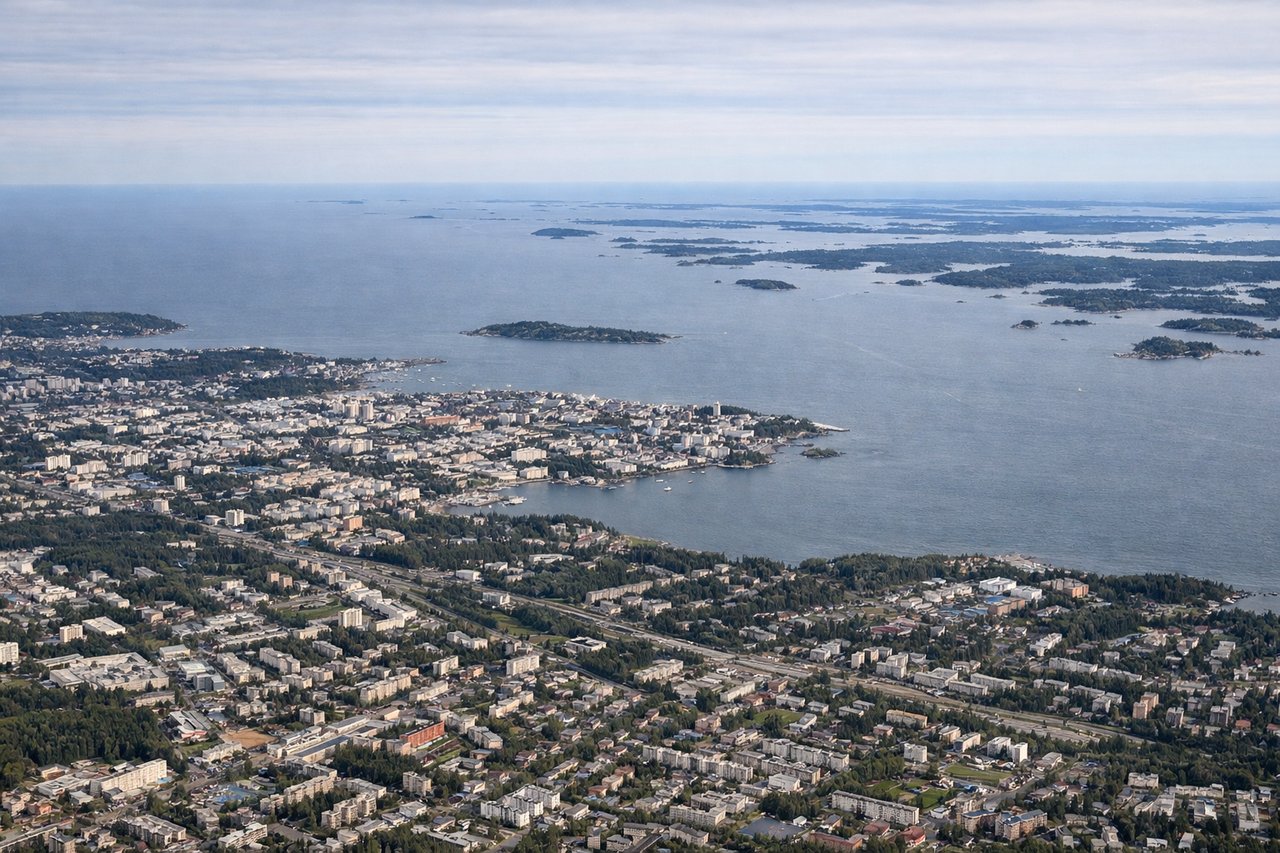
Takeoff from HEL
RIGHTDeparting HEL on runway 22 the aircraft climbs southwest over the Gulf of Finland, then banks right toward the northwest heading. During that turn, right-side passengers get a sweeping view of Helsinki's harbor, downtown skyline, and the scattered granite islands of the archipelago before the coastline falls away.
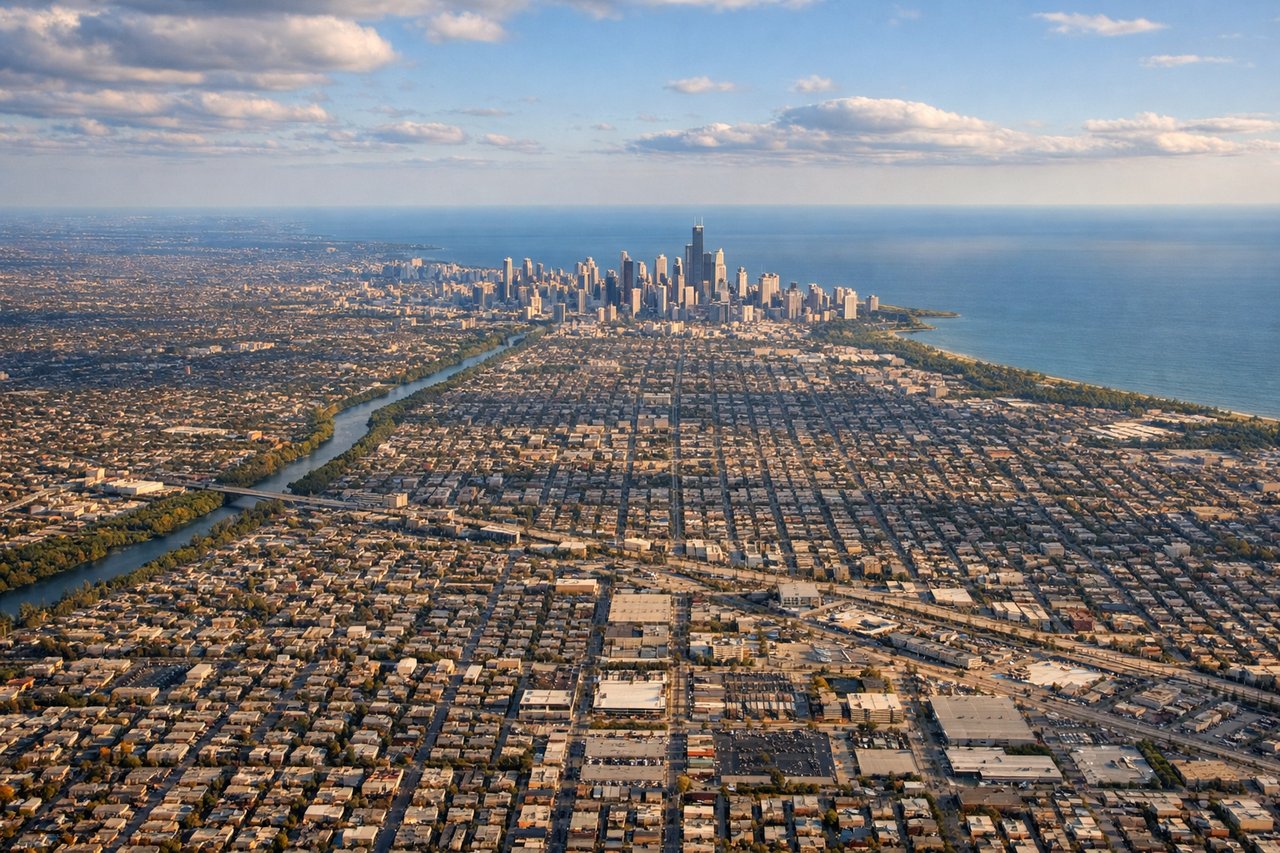
Landing at ORD
LEFTWith winds favoring the northeast-southwest runways, arrivals from the north often land on ORD's runway 22, approaching from the northeast on a heading toward the southwest. That puts downtown Chicago and the Lake Michigan shoreline off the left side during the final descent.
Landmarks on this routeAll landmarks →
Will your flight be in sunlight?
See exactly which side of the plane gets sun and shade at your departure time.
About This Route
Which side of the plane should I sit on flying from Helsinki Vantaa (HEL) to Chicago Ohare International (ORD)?
Sit on the Right side of the plane for the best views on flights from Helsinki to Chicago. The right side wins because the great-circle route north of the Atlantic puts Norway's coastal mountains and, most dramatically, the glaciated coastline and ice cap of southern Greenland on that side during cruise — a rare and visually striking feature that outweighs the ocean and plains views on the left, even with Chicago's skyline favoring the left on landing.
What can I see during takeoff from Helsinki Vantaa in Helsinki?
During takeoff from Helsinki Vantaa (HEL), sit on the Right side for the best views. Departing HEL on runway 22 the aircraft climbs southwest over the Gulf of Finland, then banks right toward the northwest heading. During that turn, right-side passengers get a sweeping view of Helsinki's harbor, downtown skyline, and the scattered granite islands of the archipelago before the coastline falls away. Notable sights include: Helsinki city center and harbor, Suomenlinna and the outer archipelago islands, Gulf of Finland coastline.
What can I see when landing at Chicago Ohare International in Chicago?
When landing at Chicago Ohare International (ORD), sit on the Left side for the best views. With winds favoring the northeast-southwest runways, arrivals from the north often land on ORD's runway 22, approaching from the northeast on a heading toward the southwest. That puts downtown Chicago and the Lake Michigan shoreline off the left side during the final descent. Notable sights include: Chicago skyline (Willis Tower and the Loop), Lake Michigan shoreline, Chicago's western and southern suburbs.
How long is the flight from Helsinki to Chicago?
The flight from Helsinki Vantaa (HEL) to Chicago Ohare International (ORD) takes 9h 45m.
What does the Helsinki to Chicago flight path pass over?
Southern Norway's coastal mountains, the Norwegian Sea, the southern tip and ice cap of Greenland near Cape Farewell, the Labrador Sea, and the forested lake country of the Canadian Shield before descending over Lake Michigan.