The left side wins on both ends of the flight — a scenic Helsinki archipelago departure and a London river-and-skyline approach — while the right side offers comparatively flat, less distinctive terrain during takeoff and a plainer suburban view on landing.
Flight Path
The route crosses the Baltic Sea, southern Sweden near Malmö, the Danish islands and straits around Copenhagen, and the flat coastal plains of northern Germany and the Netherlands before crossing the North Sea into England.
Great circle distance and headings ›
.jpeg?width=600)
Phase by phase
Takeoff from HEL
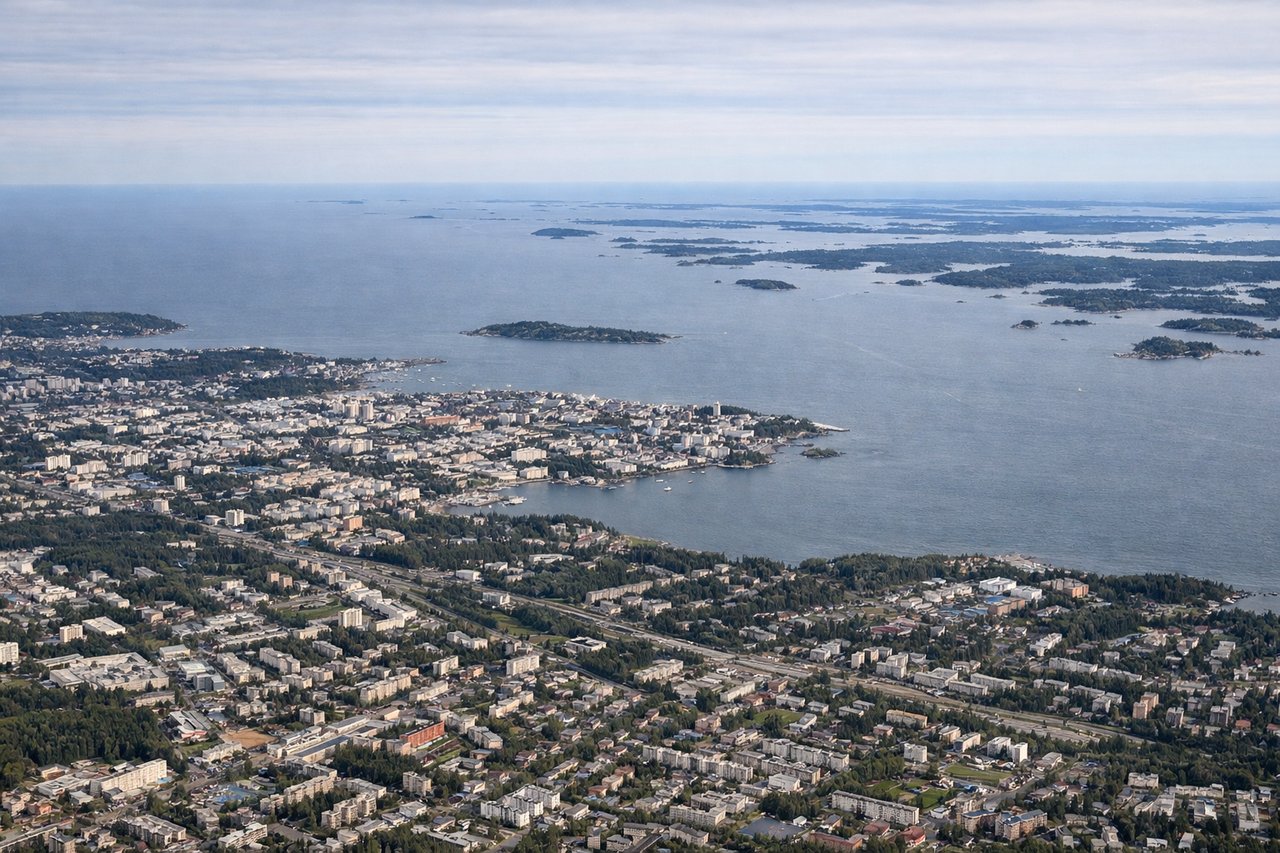
LEFTDeparting HEL toward the southwest, the left side overlooks Helsinki's harbor, the Suomenlinna fortress islands, and the scattered archipelago of the Gulf of Finland. The right side mostly shows flat forested and lake-dotted Finnish countryside with less visual variety.
Landing at LHR
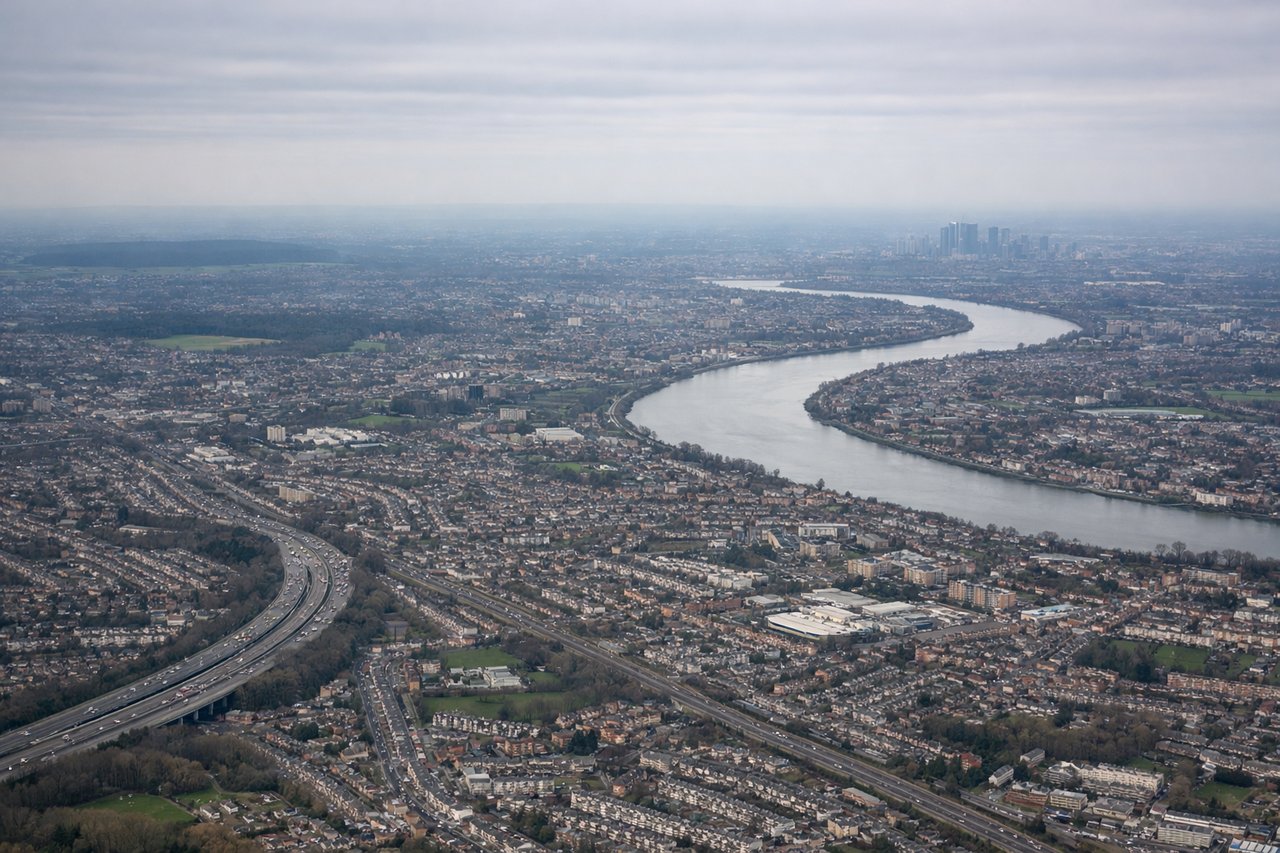
LEFTOn the typical easterly approach into LHR's westerly-facing runways, the flight track descends across Greater London, and the left side gives a clear view down the Thames toward the City of London, Canary Wharf, and the London Eye before the final turn onto the runway. The right side mainly shows suburban north London with fewer identifiable landmarks.
Landmarks on this routeAll landmarks →
Will your flight be in sunlight?
See exactly which side of the plane gets sun and shade at your departure time.
About This Route
Which side of the plane should I sit on flying from Helsinki Vantaa (HEL) to Heathrow (LHR)?
Sit on the Left side of the plane for the best views on flights from Helsinki to London. The left side wins on both ends of the flight — a scenic Helsinki archipelago departure and a London river-and-skyline approach — while the right side offers comparatively flat, less distinctive terrain during takeoff and a plainer suburban view on landing.
What can I see during takeoff from Helsinki Vantaa in Helsinki?
During takeoff from Helsinki Vantaa (HEL), sit on the Left side for the best views. Departing HEL toward the southwest, the left side overlooks Helsinki's harbor, the Suomenlinna fortress islands, and the scattered archipelago of the Gulf of Finland. The right side mostly shows flat forested and lake-dotted Finnish countryside with less visual variety. Notable sights include: Helsinki harbor, Suomenlinna island fortress, Gulf of Finland archipelago, Helsinki city skyline.
What can I see when landing at Heathrow in London?
When landing at Heathrow (LHR), sit on the Left side for the best views. On the typical easterly approach into LHR's westerly-facing runways, the flight track descends across Greater London, and the left side gives a clear view down the Thames toward the City of London, Canary Wharf, and the London Eye before the final turn onto the runway. The right side mainly shows suburban north London with fewer identifiable landmarks. Notable sights include: River Thames, Canary Wharf towers, London Eye, City of London skyline.
How long is the flight from Helsinki to London?
The flight from Helsinki Vantaa (HEL) to Heathrow (LHR) takes 3h 20m.
What does the Helsinki to London flight path pass over?
The route crosses the Baltic Sea, southern Sweden near Malmö, the Danish islands and straits around Copenhagen, and the flat coastal plains of northern Germany and the Netherlands before crossing the North Sea into England.