The right side wins both the Hong Kong departure, with its dramatic island peaks and harbor skyline, and the Incheon arrival, with Seoul's skyline and mountains visible on final approach — bookending an otherwise unremarkable cruise over coastal China and the Yellow Sea.
Flown HKG to ICN? Did we get it right?
Flight Path
Hong Kong to Seoul is 1,286 miles (2,069 km), a flight of about 3 hours 30 minutes.
The route crosses the Fujian coastline and Hangzhou Bay near the Yangtze River delta before heading out over the East China Sea and Yellow Sea toward the Korean peninsula.
Great circle distance and headings ›


Phase by phase
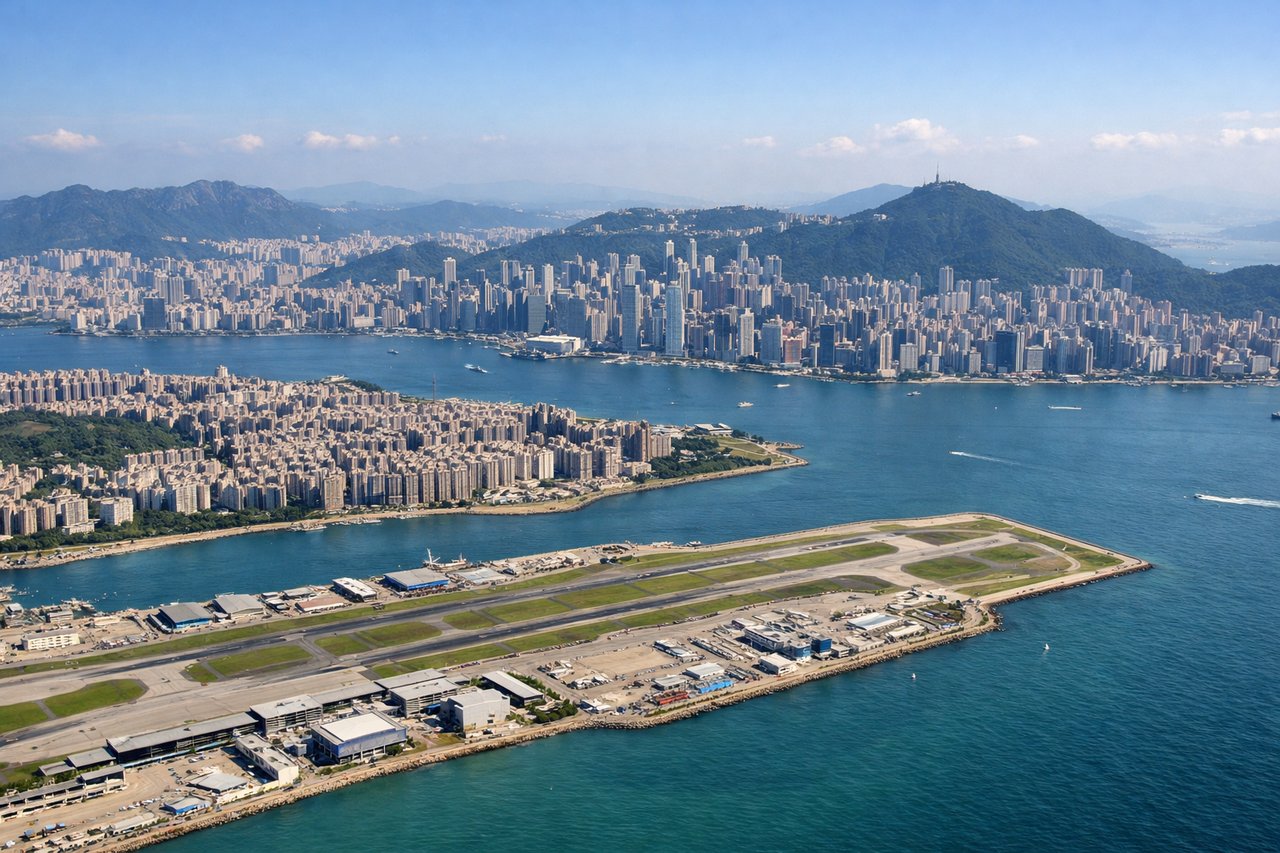
Takeoff from HKG
RIGHTDeparting HKG toward the northeast (runway 07), the right side faces south and southeast, giving passengers a sweeping view of Lantau Island's peaks right below the wing followed by Hong Kong Island, Kowloon, and Victoria Harbour as the aircraft climbs out over the Pearl River Estuary. The left side only shows the flatter, less distinctive New Territories and Shenzhen hills.
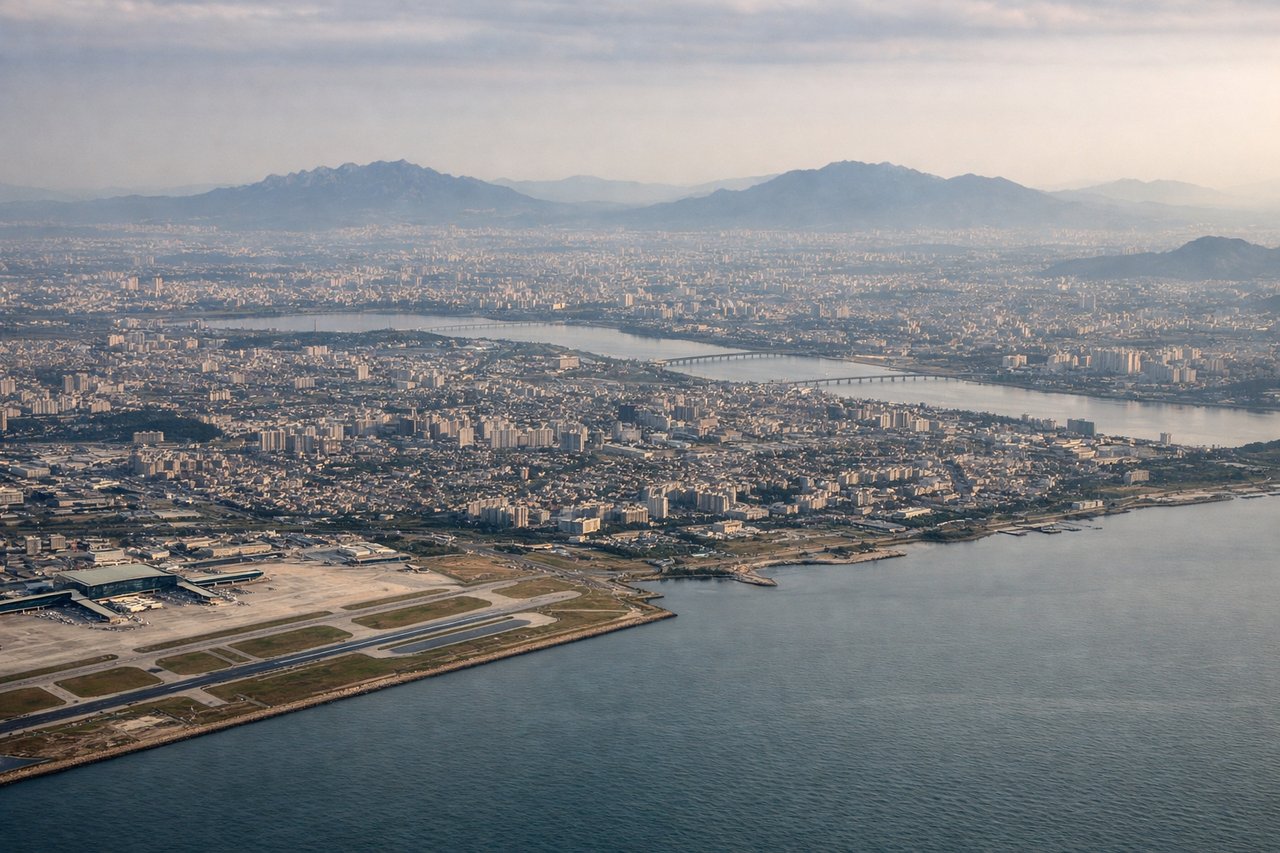
Landing at ICN
RIGHTOn approach into ICN from the south, the final turn toward the northwest-facing runways puts Seoul's skyline, the Han River, and the Bukhansan mountain ridges on the right side, while the left side only shows the flat tidal mudflats and small islands of the Yellow Sea.
Will your flight be in sunlight?
Pick a date and time in the Sun Map to watch the sun move across your whole flight.
About This Route
Which side of the plane should I sit on flying from Hong Kong International (HKG) to Incheon International (ICN)?
Sit on the Right side of the plane for the best views on flights from Hong Kong to Seoul. The right side wins both the Hong Kong departure, with its dramatic island peaks and harbor skyline, and the Incheon arrival, with Seoul's skyline and mountains visible on final approach — bookending an otherwise unremarkable cruise over coastal China and the Yellow Sea.
What can I see during takeoff from Hong Kong International in Hong Kong?
During takeoff from Hong Kong International (HKG), sit on the Right side for the best views. Departing HKG toward the northeast (runway 07), the right side faces south and southeast, giving passengers a sweeping view of Lantau Island's peaks right below the wing followed by Hong Kong Island, Kowloon, and Victoria Harbour as the aircraft climbs out over the Pearl River Estuary. The left side only shows the flatter, less distinctive New Territories and Shenzhen hills. Notable sights include: Lantau Island peaks (Sunset Peak/Nei Lak Shan), Hong Kong Island skyline, Victoria Harbour, Kowloon peninsula.
What can I see when landing at Incheon International in Seoul?
When landing at Incheon International (ICN), sit on the Right side for the best views. On approach into ICN from the south, the final turn toward the northwest-facing runways puts Seoul's skyline, the Han River, and the Bukhansan mountain ridges on the right side, while the left side only shows the flat tidal mudflats and small islands of the Yellow Sea. Notable sights include: Han River, Seoul skyline, Bukhansan mountain ridge, Yeongjongdo tidal flats near Incheon.
How long is the flight from Hong Kong to Seoul?
The flight from Hong Kong International (HKG) to Incheon International (ICN) takes about 3 hours 30 minutes. The shortest flight path between them is 1,286 miles (2,069 km); winds and air traffic control usually add a few percent.
What does the Hong Kong to Seoul flight path pass over?
The route crosses the Fujian coastline and Hangzhou Bay near the Yangtze River delta before heading out over the East China Sea and Yellow Sea toward the Korean peninsula.