New York to Aracaju is 4,267 miles (6,868 km), a flight of about 9 hours 30 minutes.
The left seat delivers the dramatic JFK departure with Jamaica Bay and the Manhattan skyline, and as the flight tracks southeast over the Atlantic and then crosses the Brazilian coast, the left side will face the coastline on descent. The Aracaju landing view is better on the right, but the takeoff spectacle and the Brazilian coastal approach give the left seat a slight overall edge for the full journey.
Flight Path
The flight tracks southeast over the open Atlantic, crossing the equator roughly over open ocean west of the Mid-Atlantic Ridge. The Amazon River delta and the coast of northeastern Brazil (Maranhao, Piaui, Ceara, Rio Grande do Norte) may be visible on the left side as the aircraft descends toward Sergipe. The Sargasso Sea and Caribbean islands are well to the west of the track. There are no significant landmasses until the Brazilian coast appears.
Great circle distance and headings ›Phase by phase
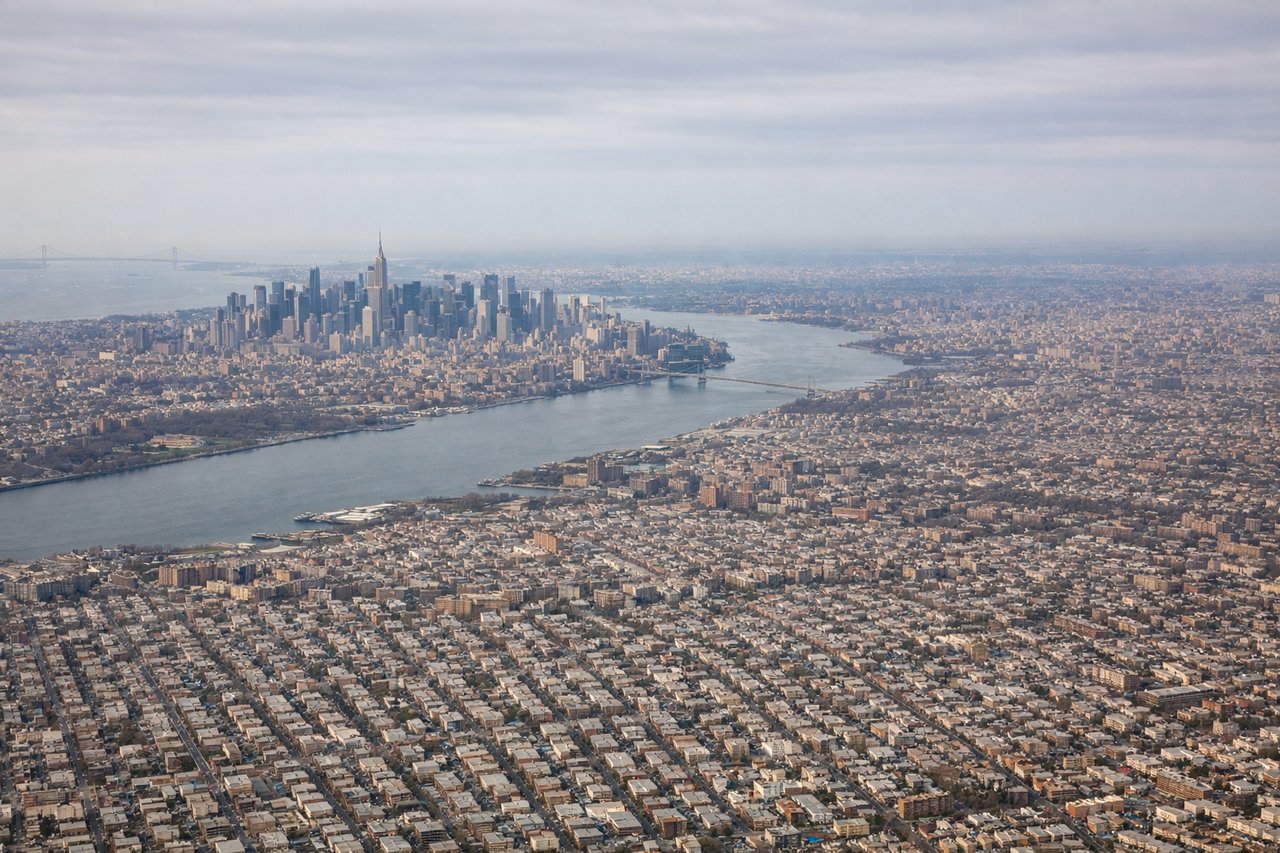
Takeoff from JFK
LEFTJFK's primary departure runways (31L/31R) head northwest, then aircraft typically turn south over the Atlantic. A left seat gives you the initial view back over Jamaica Bay, the Rockaway Peninsula, and lower Manhattan's skyline to the north before the aircraft tracks out over the ocean. Right side faces open Atlantic with little of interest.
Landing at AJU
RIGHTAracaju's runway 17/35 means arrivals typically come in from the north heading south, or from the sea heading inland. On approach from the north heading south, the right side faces west toward the Rio Sergipe estuary, the city of Aracaju itself, and the distinctive coastline where the river meets the Atlantic. Left side faces inland scrub.
Landmarks on this routeAll landmarks →
Will your flight be in sunlight?
Pick a date and time in the Sun Map to watch the sun move across your whole flight.
About This Route
Which side of the plane should I sit on flying from John F Kennedy International (JFK) to Santa Maria (AJU)?
Sit on the Left side of the plane for the best views on flights from New York to Aracaju. The left seat delivers the dramatic JFK departure with Jamaica Bay and the Manhattan skyline, and as the flight tracks southeast over the Atlantic and then crosses the Brazilian coast, the left side will face the coastline on descent. The Aracaju landing view is better on the right, but the takeoff spectacle and the Brazilian coastal approach give the left seat a slight overall edge for the full journey.
What can I see during takeoff from John F Kennedy International in New York?
During takeoff from John F Kennedy International (JFK), sit on the Left side for the best views. JFK's primary departure runways (31L/31R) head northwest, then aircraft typically turn south over the Atlantic. A left seat gives you the initial view back over Jamaica Bay, the Rockaway Peninsula, and lower Manhattan's skyline to the north before the aircraft tracks out over the ocean. Right side faces open Atlantic with little of interest. Notable sights include: Jamaica Bay and its wildlife refuge wetlands, Rockaway Peninsula barrier beach, Lower Manhattan skyline visible to the north, Coney Island and Brighton Beach shoreline.
What can I see when landing at Santa Maria in Aracaju?
When landing at Santa Maria (AJU), sit on the Right side for the best views. Aracaju's runway 17/35 means arrivals typically come in from the north heading south, or from the sea heading inland. On approach from the north heading south, the right side faces west toward the Rio Sergipe estuary, the city of Aracaju itself, and the distinctive coastline where the river meets the Atlantic. Left side faces inland scrub. Notable sights include: Rio Sergipe estuary and its wide mouth at the Atlantic, Aracaju city center and waterfront, Barra dos Coqueiros barrier island across the river, Atlantic coastline with its long sandy beaches.
How long is the flight from New York to Aracaju?
The flight from John F Kennedy International (JFK) to Santa Maria (AJU) takes about 9 hours 30 minutes. The shortest flight path between them is 4,267 miles (6,868 km); winds and air traffic control usually add a few percent.
What does the New York to Aracaju flight path pass over?
The flight tracks southeast over the open Atlantic, crossing the equator roughly over open ocean west of the Mid-Atlantic Ridge. The Amazon River delta and the coast of northeastern Brazil (Maranhao, Piaui, Ceara, Rio Grande do Norte) may be visible on the left side as the aircraft descends toward Sergipe. The Sargasso Sea and Caribbean islands are well to the west of the track. There are no significant landmasses until the Brazilian coast appears.