The left side offers a stronger overall experience thanks to the coastal departure over Jamaica Bay and glimpses of barrier islands and the Atlantic shoreline along the early route south, adding more variety across the full flight even though the right side wins the final approach into Tampa Bay.
Flight Path
The route passes over the Delmarva Peninsula, the mouth of the Chesapeake Bay, and the coastal lowlands of the Carolinas and Georgia before descending into central Florida.
Great circle distance and headings ›.jpg?width=600)

Phase by phase
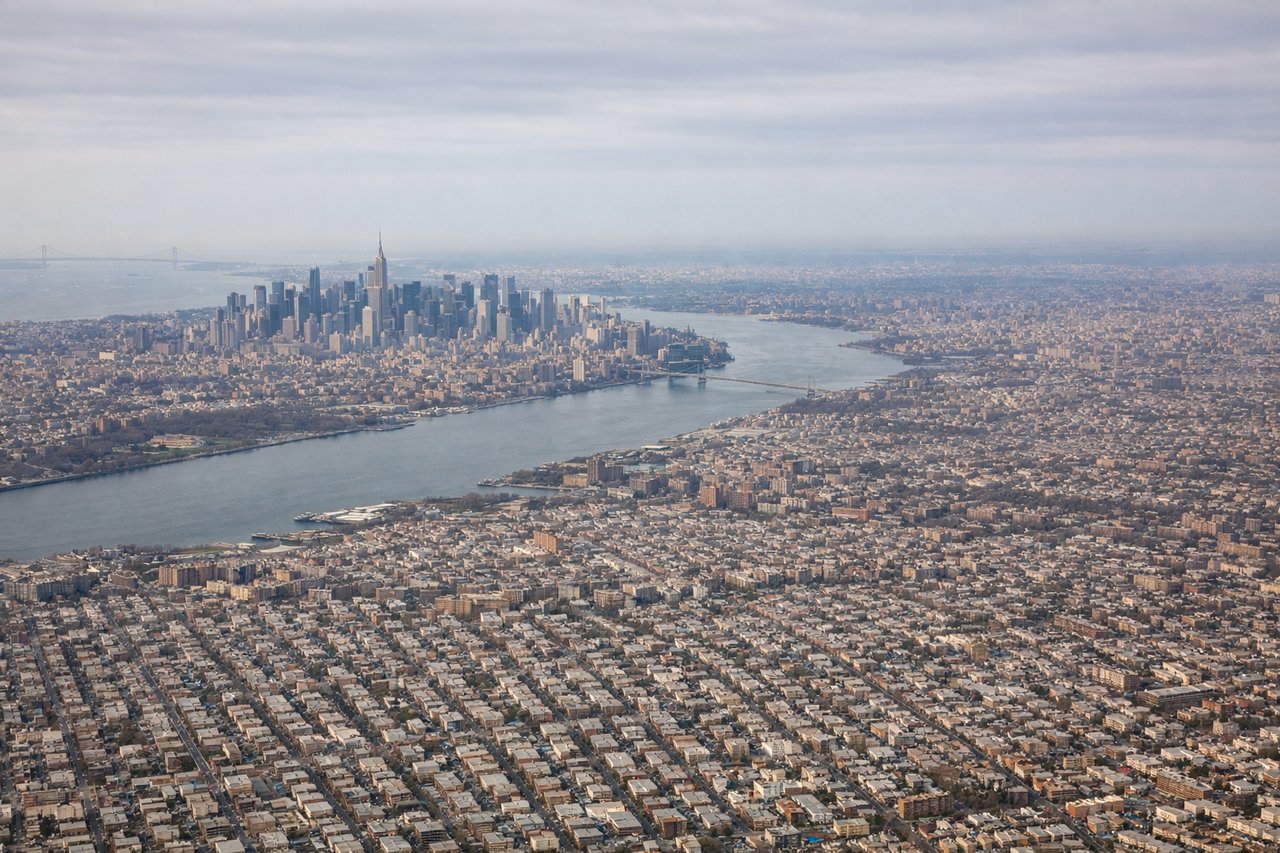
Takeoff from JFK
LEFTDeparting JFK on a southbound track, the left side faces east over Jamaica Bay, the Rockaway Peninsula, and the Atlantic shoreline, giving a brief but clear view of barrier beaches and the ocean before the climb levels off. The right side mostly shows the flat inland sprawl of Queens and Nassau County.
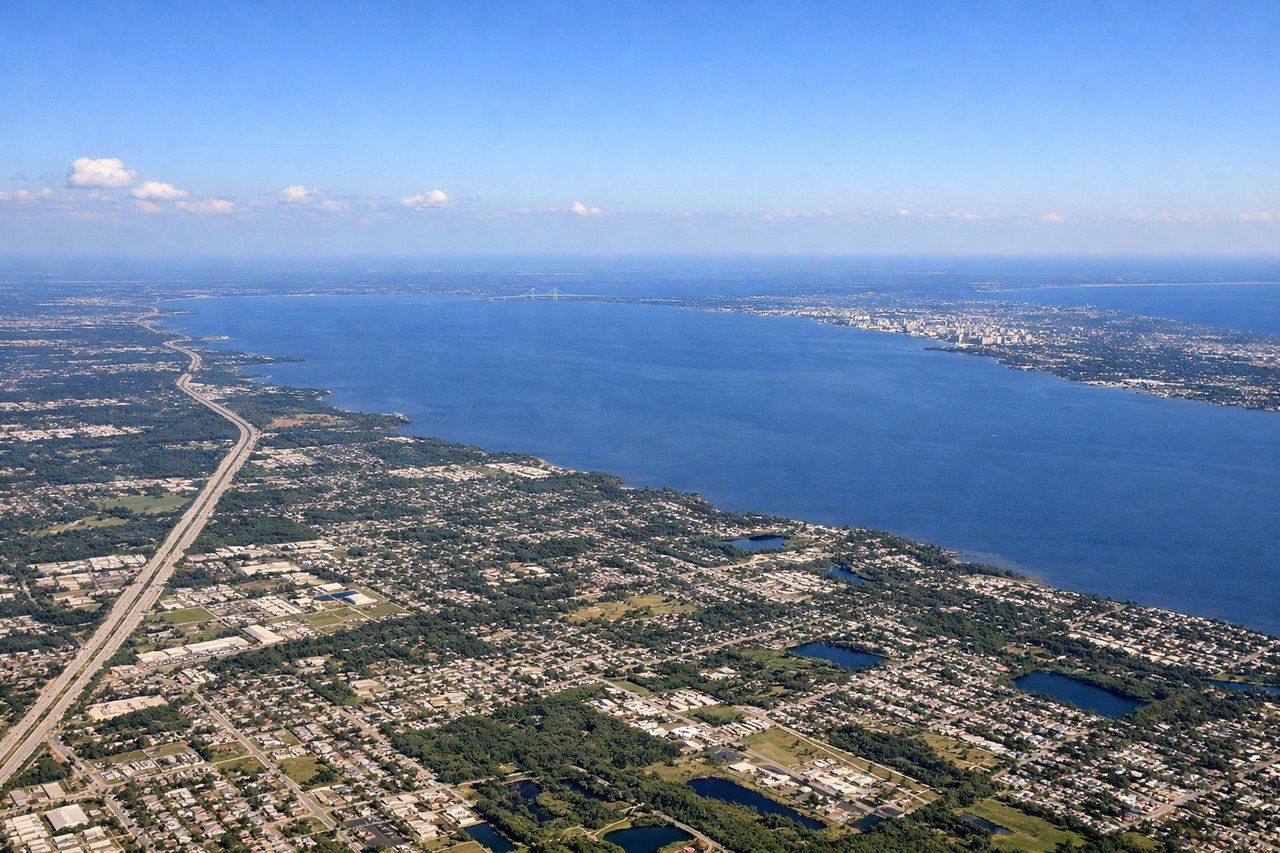
Landing at TPA
RIGHTOn approach to TPA from the north, the final turn brings Tampa Bay into view on the right side, with the Gulf of Mexico, St. Petersburg, and the bay's causeways visible just before landing. The left side during this phase shows mostly flat inland Florida terrain with little visual interest.
Landmarks on this routeAll landmarks →
Will your flight be in sunlight?
See exactly which side of the plane gets sun and shade at your departure time.
About This Route
Which side of the plane should I sit on flying from John F Kennedy International (JFK) to Tampa International (TPA)?
Sit on the Left side of the plane for the best views on flights from New York to Tampa. The left side offers a stronger overall experience thanks to the coastal departure over Jamaica Bay and glimpses of barrier islands and the Atlantic shoreline along the early route south, adding more variety across the full flight even though the right side wins the final approach into Tampa Bay.
What can I see during takeoff from John F Kennedy International in New York?
During takeoff from John F Kennedy International (JFK), sit on the Left side for the best views. Departing JFK on a southbound track, the left side faces east over Jamaica Bay, the Rockaway Peninsula, and the Atlantic shoreline, giving a brief but clear view of barrier beaches and the ocean before the climb levels off. The right side mostly shows the flat inland sprawl of Queens and Nassau County. Notable sights include: Jamaica Bay Wildlife Refuge, Rockaway Peninsula beaches, Atlantic coastline, Long Island shoreline.
What can I see when landing at Tampa International in Tampa?
When landing at Tampa International (TPA), sit on the Right side for the best views. On approach to TPA from the north, the final turn brings Tampa Bay into view on the right side, with the Gulf of Mexico, St. Petersburg, and the bay's causeways visible just before landing. The left side during this phase shows mostly flat inland Florida terrain with little visual interest. Notable sights include: Tampa Bay, St. Petersburg skyline, Gulf of Mexico, Howard Frankland Bridge.
How long is the flight from New York to Tampa?
The flight from John F Kennedy International (JFK) to Tampa International (TPA) takes 2h 55m.
What does the New York to Tampa flight path pass over?
The route passes over the Delmarva Peninsula, the mouth of the Chesapeake Bay, and the coastal lowlands of the Carolinas and Georgia before descending into central Florida.