Both sides get a brief scenic payoff at either end of an otherwise remote polar routing, but the Taipei arrival offers a richer mix of mountains, river, and city skyline than the flatter coastal departure view from New York, giving the right side a slightly stronger overall composition.
Flight Path
The great-circle route climbs north over eastern Canada and the Arctic, then descends across eastern Siberia near the Sea of Okhotsk, passing within sight of the volcanic Kamchatka Peninsula before continuing south over the Sea of Japan, the Korean peninsula, and the East China Sea toward Taiwan.
Great circle distance and headings ›.jpg?width=600)
.jpeg?width=600)
Phase by phase
Takeoff from JFK
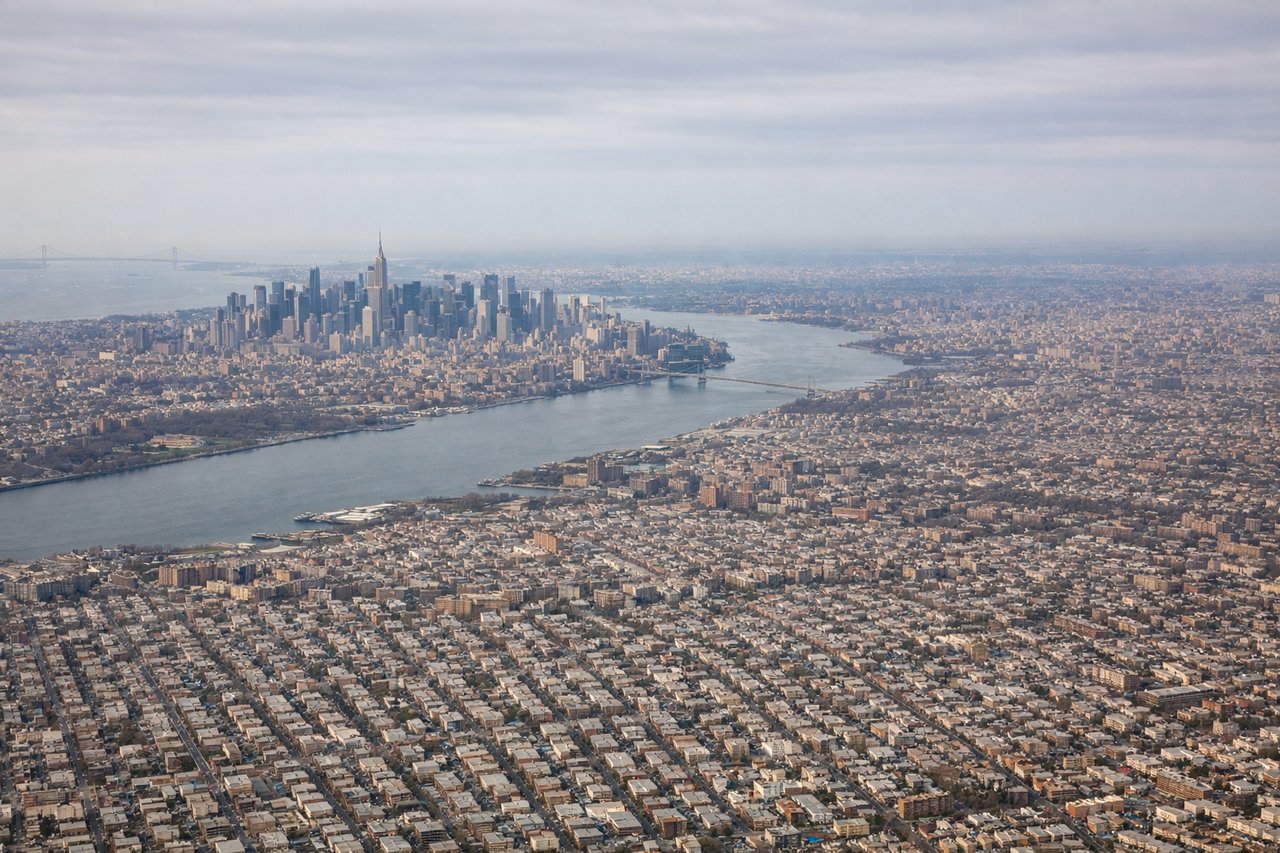
LEFTDepartures from JFK toward the polar route typically climb out over Jamaica Bay and then track northwest, putting Manhattan's skyline and the Hudson River on the left side of the aircraft. This is the only real scenic payoff early in an otherwise remote, high-latitude routing.
Landing at TPE
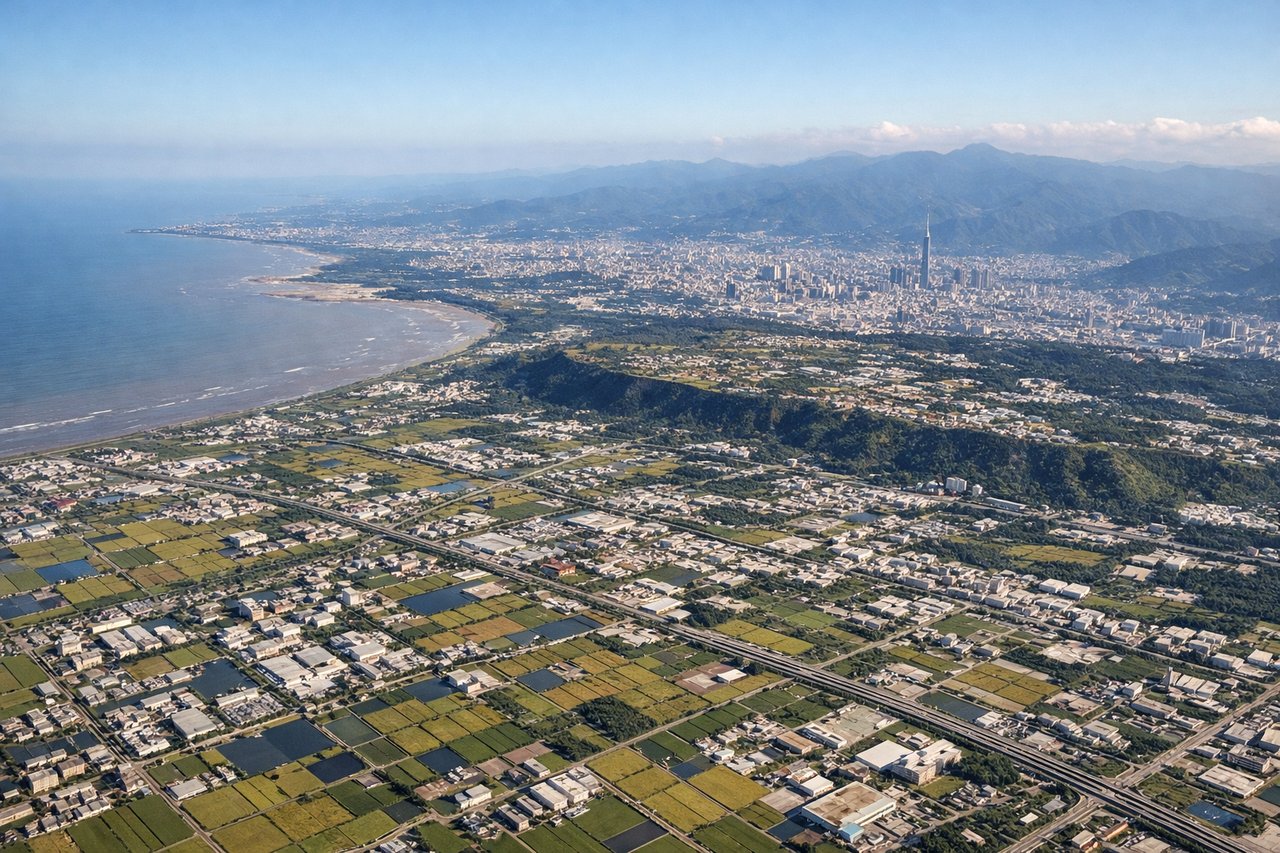
RIGHTOn approach into Taoyuan with runway 23 in use, the aircraft descends from the northeast over the Taipei basin, giving right-side passengers a view of Taipei's dense urban core backed by the forested Yangmingshan volcanic ridge. The combination of city, mountains, and coastline makes this the more dynamic side for the arrival sequence.
Landmarks on this routeAll landmarks →
Will your flight be in sunlight?
See exactly which side of the plane gets sun and shade at your departure time.
About This Route
Which side of the plane should I sit on flying from John F Kennedy International (JFK) to Chiang Kai Shek International (TPE)?
Sit on the Right side of the plane for the best views on flights from New York to Taipei. Both sides get a brief scenic payoff at either end of an otherwise remote polar routing, but the Taipei arrival offers a richer mix of mountains, river, and city skyline than the flatter coastal departure view from New York, giving the right side a slightly stronger overall composition.
What can I see during takeoff from John F Kennedy International in New York?
During takeoff from John F Kennedy International (JFK), sit on the Left side for the best views. Departures from JFK toward the polar route typically climb out over Jamaica Bay and then track northwest, putting Manhattan's skyline and the Hudson River on the left side of the aircraft. This is the only real scenic payoff early in an otherwise remote, high-latitude routing. Notable sights include: Manhattan skyline, Hudson River, Long Island Sound, Jamaica Bay wetlands.
What can I see when landing at Chiang Kai Shek International in Taipei?
When landing at Chiang Kai Shek International (TPE), sit on the Right side for the best views. On approach into Taoyuan with runway 23 in use, the aircraft descends from the northeast over the Taipei basin, giving right-side passengers a view of Taipei's dense urban core backed by the forested Yangmingshan volcanic ridge. The combination of city, mountains, and coastline makes this the more dynamic side for the arrival sequence. Notable sights include: Taipei 101 and city skyline, Yangmingshan mountain ridge, Tamsui River estuary, northern Taiwan coastline.
How long is the flight from New York to Taipei?
The flight from John F Kennedy International (JFK) to Chiang Kai Shek International (TPE) takes 15h 45m.
What does the New York to Taipei flight path pass over?
The great-circle route climbs north over eastern Canada and the Arctic, then descends across eastern Siberia near the Sea of Okhotsk, passing within sight of the volcanic Kamchatka Peninsula before continuing south over the Sea of Japan, the Korean peninsula, and the East China Sea toward Taiwan.