While takeoff favors the right with Taipei's skyline and mountains, the left side wins overall thanks to the dramatic Manhattan skyline and Long Island Sound views during the JFK approach, which are more visually distinctive than the ocean-and-tundra cruise phase shared by both sides.
Flight Path
Sea of Japan, Kamchatka Peninsula coastline, Bering Sea, Alaska Range, Canadian Arctic tundra, Hudson Bay lowlands, Great Lakes region, Appalachian foothills
Great circle distance and headings ›.jpeg?width=600)
.jpg?width=600)
Phase by phase
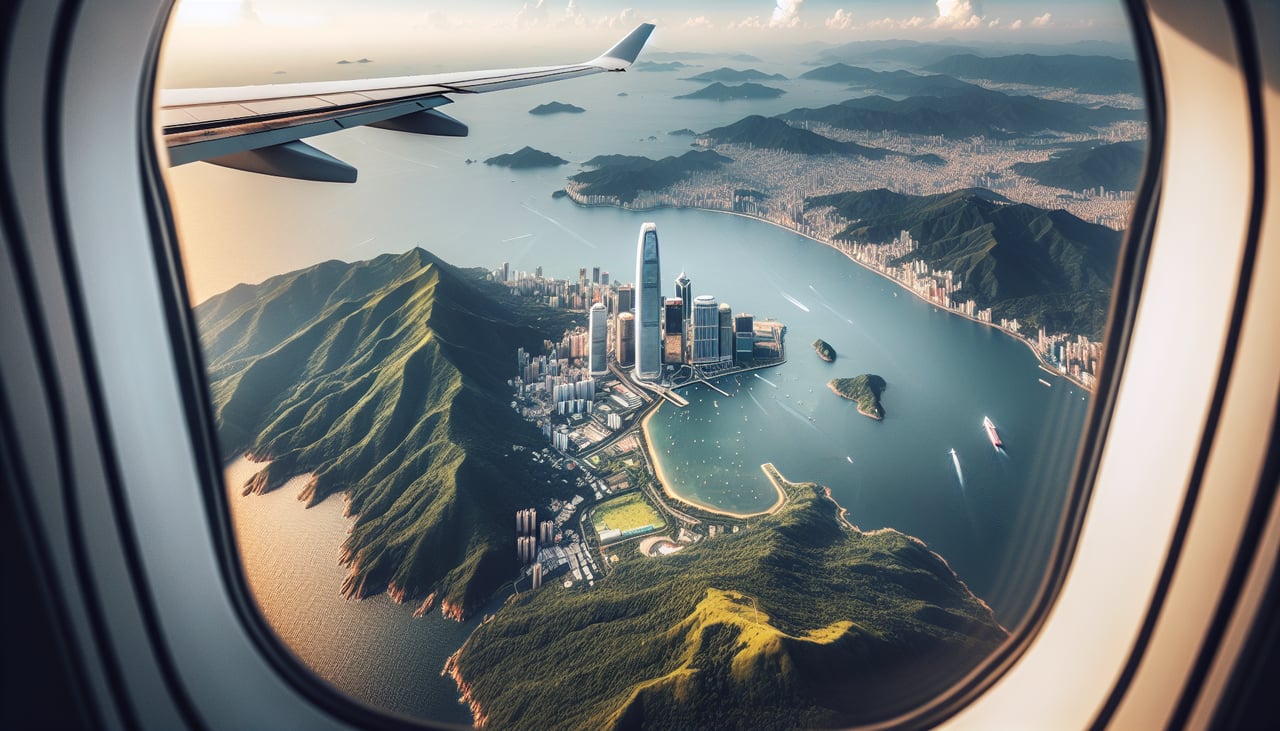
Takeoff from TPE
RIGHTDeparting TPE on the northeast heading, the right side faces southeast toward Taipei's skyline and the foothills of the Central Mountain Range before the aircraft turns out over the coast near Keelung. It's a brief but genuinely scenic urban-to-coastal transition.
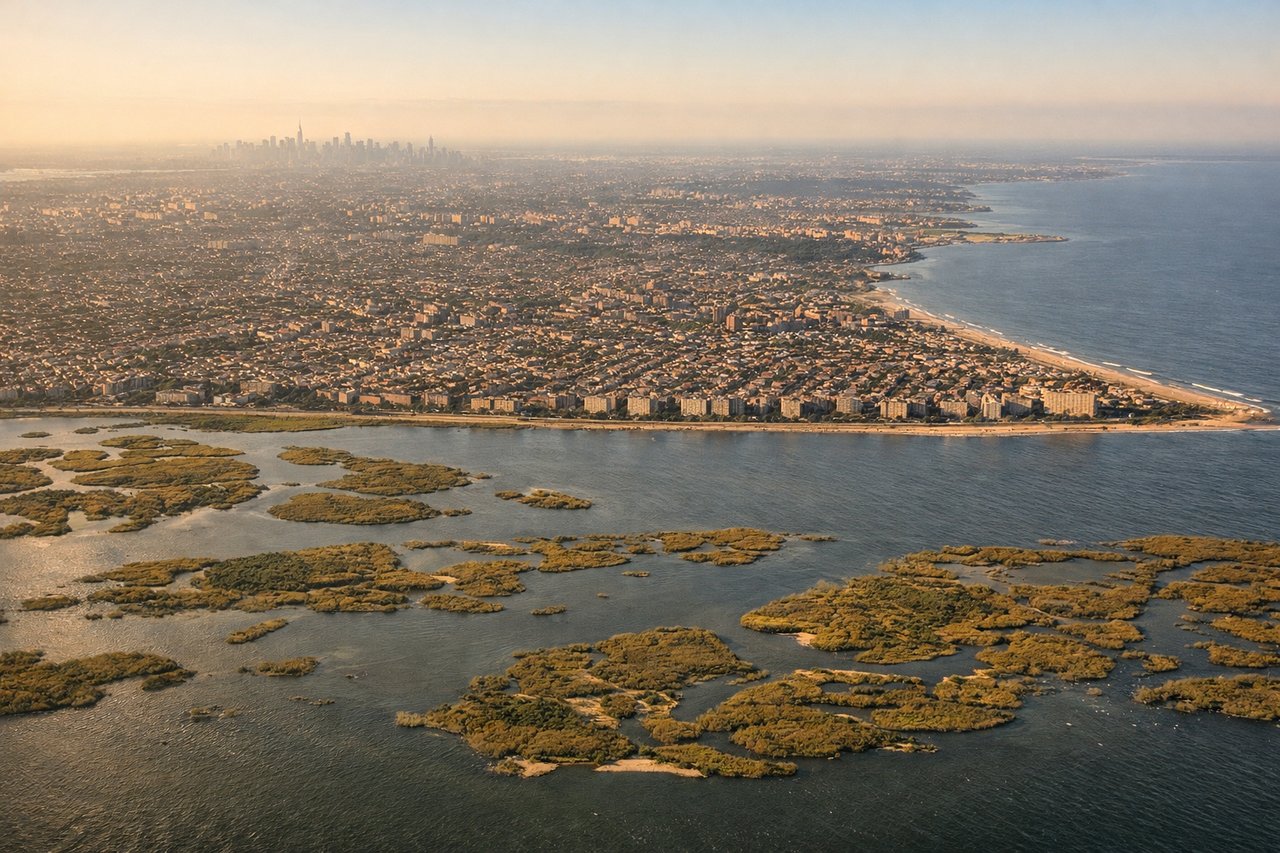
Landing at JFK
LEFTOn approach into JFK from the north, the left side offers views over Long Island Sound and the Manhattan skyline before the final turn south into the airport. This is a much more distinctive visual than the flat suburban sprawl of Queens and Nassau County typically seen on the right.
Landmarks on this routeAll landmarks →
Will your flight be in sunlight?
See exactly which side of the plane gets sun and shade at your departure time.
About This Route
Which side of the plane should I sit on flying from Chiang Kai Shek International (TPE) to John F Kennedy International (JFK)?
Sit on the Left side of the plane for the best views on flights from Taipei to New York. While takeoff favors the right with Taipei's skyline and mountains, the left side wins overall thanks to the dramatic Manhattan skyline and Long Island Sound views during the JFK approach, which are more visually distinctive than the ocean-and-tundra cruise phase shared by both sides.
What can I see during takeoff from Chiang Kai Shek International in Taipei?
During takeoff from Chiang Kai Shek International (TPE), sit on the Right side for the best views. Departing TPE on the northeast heading, the right side faces southeast toward Taipei's skyline and the foothills of the Central Mountain Range before the aircraft turns out over the coast near Keelung. It's a brief but genuinely scenic urban-to-coastal transition. Notable sights include: Taipei 101 and Taipei Basin, Central Mountain Range foothills, Keelung coastline, East China Sea.
What can I see when landing at John F Kennedy International in New York?
When landing at John F Kennedy International (JFK), sit on the Left side for the best views. On approach into JFK from the north, the left side offers views over Long Island Sound and the Manhattan skyline before the final turn south into the airport. This is a much more distinctive visual than the flat suburban sprawl of Queens and Nassau County typically seen on the right. Notable sights include: Manhattan skyline, Long Island Sound, Throgs Neck Bridge, Hudson River mouth.
How long is the flight from Taipei to New York?
The flight from Chiang Kai Shek International (TPE) to John F Kennedy International (JFK) takes 15h 25m.
What does the Taipei to New York flight path pass over?
Sea of Japan, Kamchatka Peninsula coastline, Bering Sea, Alaska Range, Canadian Arctic tundra, Hudson Bay lowlands, Great Lakes region, Appalachian foothills