Kumamoto to Seoul is 405 miles (652 km), a flight of about 1 hour 50 minutes.
While takeoff favors the right side, the landing approach—which occupies the final 30-40 minutes of the flight—offers superior scenery on the left. The Yellow Sea, Incheon's engineered airport islands, and the Han River estuary are more visually distinctive than Kumamoto's departure views. Left-side seats capture the more dramatic and geographically significant features.
Flight Path
Tsushima Strait (narrow waterway separating Kyushu and the Korean Peninsula, visible as a dark blue channel with shipping traffic), Tsushima Island (mountainous landmass in the strait's center), transition from Japanese to Korean airspace over open water, Yellow Sea's shallow continental shelf waters
Great circle distance and headings ›Phase by phase
Takeoff from KMJ
RIGHTRight-side seats offer views of Kumamoto's urban sprawl and the Ariake Sea immediately after departure. The aircraft climbs northwestward, so right-side passengers see the coastal plain and water body that define the region's geography.
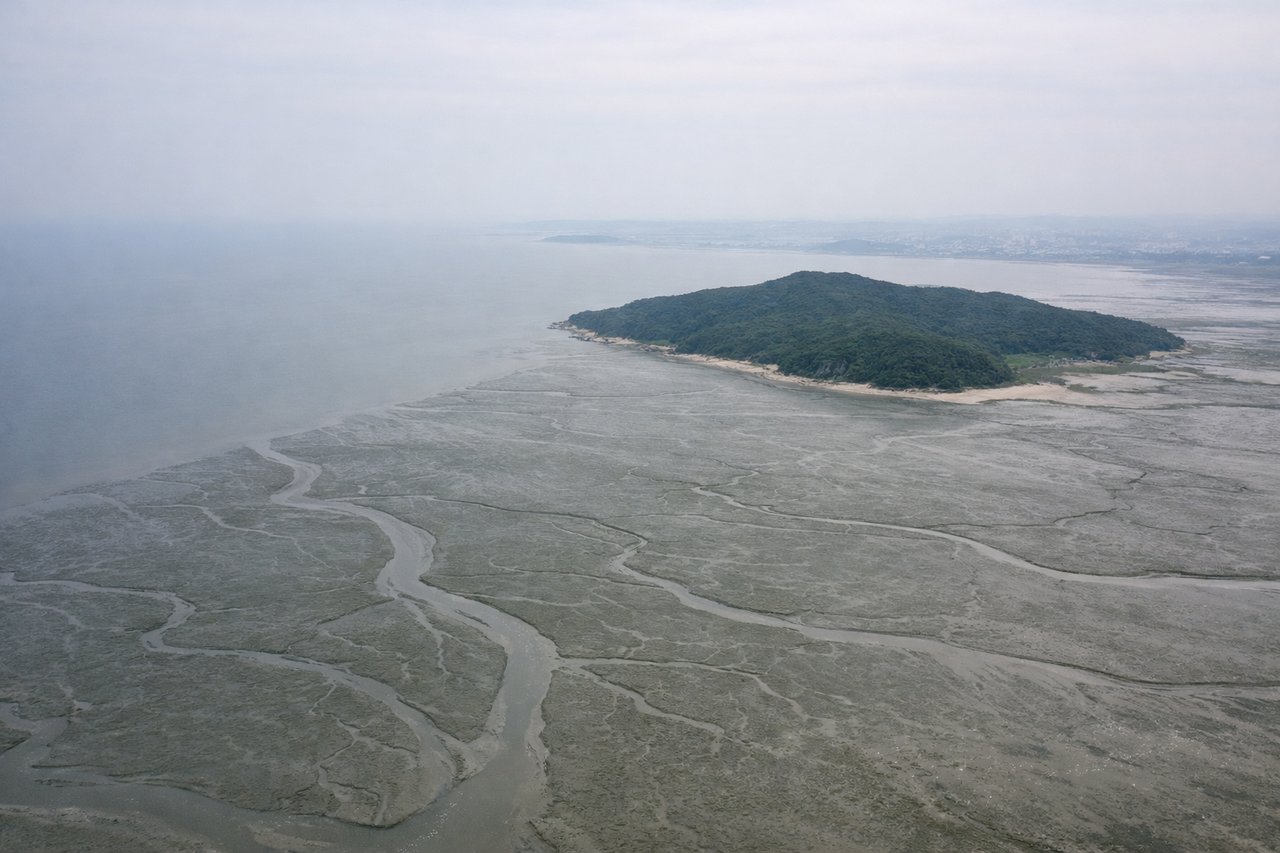
Landing at ICN
LEFTLeft-side seats provide excellent views during the descent approach to Incheon. The aircraft descends from the southeast, and left-side passengers see the Yellow Sea coastline, Incheon's reclaimed land airport complex, and the Han River estuary—all critical visual references for the final approach.
Landmarks on this routeAll landmarks →
Will your flight be in sunlight?
Pick a date and time in the Sun Map to watch the sun move across your whole flight.
About This Route
Which side of the plane should I sit on flying from Kumamoto (KMJ) to Incheon International (ICN)?
Sit on the Left side of the plane for the best views on flights from Kumamoto to Seoul. While takeoff favors the right side, the landing approach—which occupies the final 30-40 minutes of the flight—offers superior scenery on the left. The Yellow Sea, Incheon's engineered airport islands, and the Han River estuary are more visually distinctive than Kumamoto's departure views. Left-side seats capture the more dramatic and geographically significant features.
What can I see during takeoff from Kumamoto in Kumamoto?
During takeoff from Kumamoto (KMJ), sit on the Right side for the best views. Right-side seats offer views of Kumamoto's urban sprawl and the Ariake Sea immediately after departure. The aircraft climbs northwestward, so right-side passengers see the coastal plain and water body that define the region's geography. Notable sights include: Ariake Sea (southwest), Kumamoto city grid (directly below during initial climb), Aso caldera rim (distant northeast, visible as elevated terrain), Kyushu's central highlands (receding to the east).
What can I see when landing at Incheon International in Seoul?
When landing at Incheon International (ICN), sit on the Left side for the best views. Left-side seats provide excellent views during the descent approach to Incheon. The aircraft descends from the southeast, and left-side passengers see the Yellow Sea coastline, Incheon's reclaimed land airport complex, and the Han River estuary—all critical visual references for the final approach. Notable sights include: Yellow Sea (west and southwest), Incheon International Airport's reclaimed islands and runways (directly below during final approach), Han River estuary (east, visible as a wide river mouth with tidal flats), Seoul's urban sprawl (distant northeast, visible as a haze of buildings).
How long is the flight from Kumamoto to Seoul?
The flight from Kumamoto (KMJ) to Incheon International (ICN) takes about 1 hour 50 minutes. The shortest flight path between them is 405 miles (652 km); winds and air traffic control usually add a few percent.
What does the Kumamoto to Seoul flight path pass over?
Tsushima Strait (narrow waterway separating Kyushu and the Korean Peninsula, visible as a dark blue channel with shipping traffic), Tsushima Island (mountainous landmass in the strait's center), transition from Japanese to Korean airspace over open water, Yellow Sea's shallow continental shelf waters