Karratha to Perth is 777 miles (1,251 km), a flight of about 2 hours 15 minutes.
While takeoff offers interesting coastal and island views on the right, the landing approach on the left provides more visually distinctive and recognizable landmarks—the Swan River estuary and Darling Scarp are iconic Perth geography and more dramatic than the Karratha departure.
Flight Path
The flight path crosses the Pilbara region's arid interior, passing over sparse, flat terrain with occasional salt lakes and dry riverbeds. No major mountain ranges or significant landmarks are visible in the midpoint; the landscape is predominantly open desert and scrubland. The Indian Ocean remains visible to the west throughout much of the flight.
Great circle distance and headings ›Phase by phase
Takeoff from KTA
RIGHTRight-side seats offer views of Karratha's coastal geography and the Indian Ocean immediately after departure. The aircraft climbs southwestward, and right-side windows capture the Pilbara coastline, Dampier Archipelago, and the transition from industrial port facilities to open ocean.
Landing at PER
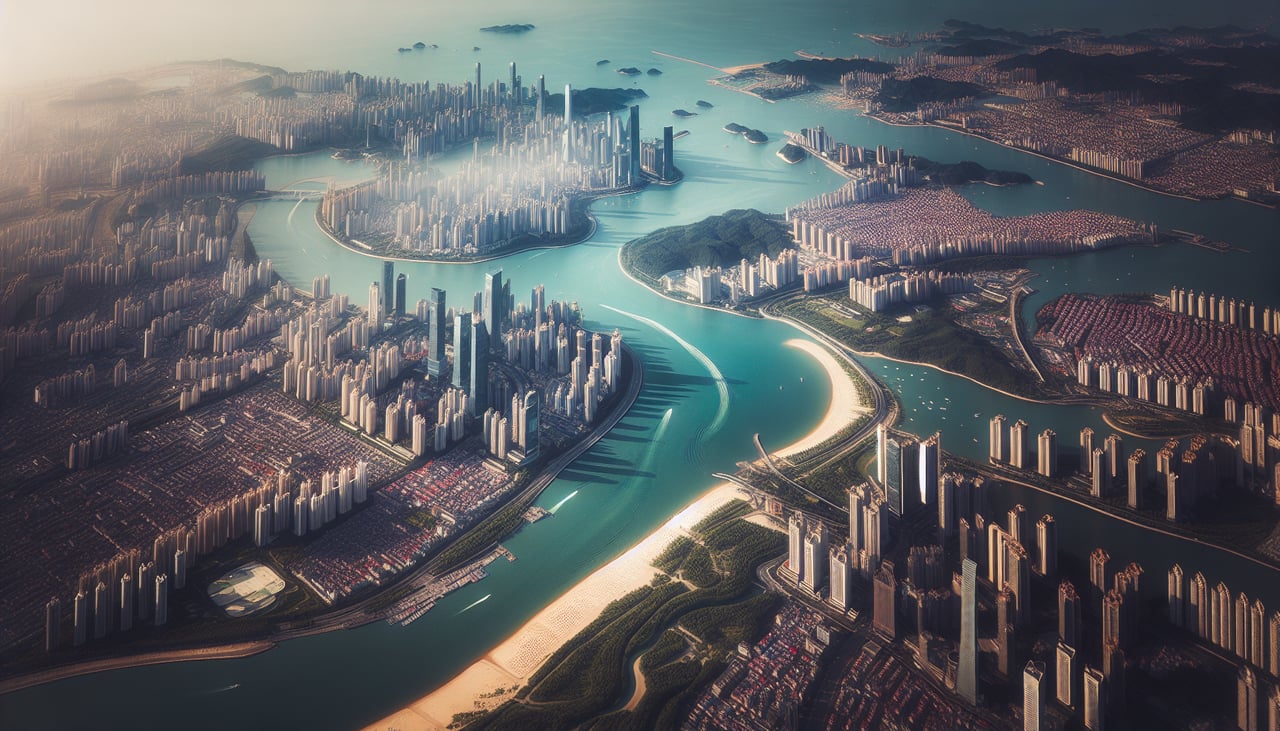
LEFTLeft-side seats provide views during the descent into Perth. The aircraft approaches from the northwest over the Indian Ocean, and left windows capture the Swan River estuary, Perth's urban sprawl, and the Darling Scarp escarpment inland—the most visually distinctive features of the approach.
Will your flight be in sunlight?
Pick a date and time in the Sun Map to watch the sun move across your whole flight.
About This Route
Which side of the plane should I sit on flying from Karratha (KTA) to Perth International (PER)?
Sit on the Left side of the plane for the best views on flights from Karratha to Perth. While takeoff offers interesting coastal and island views on the right, the landing approach on the left provides more visually distinctive and recognizable landmarks—the Swan River estuary and Darling Scarp are iconic Perth geography and more dramatic than the Karratha departure.
What can I see during takeoff from Karratha in Karratha?
During takeoff from Karratha (KTA), sit on the Right side for the best views. Right-side seats offer views of Karratha's coastal geography and the Indian Ocean immediately after departure. The aircraft climbs southwestward, and right-side windows capture the Pilbara coastline, Dampier Archipelago, and the transition from industrial port facilities to open ocean. Notable sights include: Dampier Archipelago (chain of islands offshore), Karratha port and industrial facilities, Indian Ocean, Pilbara coastal plains.
What can I see when landing at Perth International in Perth?
When landing at Perth International (PER), sit on the Left side for the best views. Left-side seats provide views during the descent into Perth. The aircraft approaches from the northwest over the Indian Ocean, and left windows capture the Swan River estuary, Perth's urban sprawl, and the Darling Scarp escarpment inland—the most visually distinctive features of the approach. Notable sights include: Swan River and estuary, Perth city center and suburbs, Darling Scarp (inland escarpment), Indian Ocean coastline.
How long is the flight from Karratha to Perth?
The flight from Karratha (KTA) to Perth International (PER) takes about 2 hours 15 minutes. The shortest flight path between them is 777 miles (1,251 km); winds and air traffic control usually add a few percent.
What does the Karratha to Perth flight path pass over?
The flight path crosses the Pilbara region's arid interior, passing over sparse, flat terrain with occasional salt lakes and dry riverbeds. No major mountain ranges or significant landmarks are visible in the midpoint; the landscape is predominantly open desert and scrubland. The Indian Ocean remains visible to the west throughout much of the flight.