Both sides offer only brief scenic moments bracketing a very long ocean crossing, but the Melbourne arrival over Port Phillip Bay with the city skyline in view is a longer and more visually rewarding sequence than the quick coastal glimpse on departure from LAX, giving the right side the edge overall.
Flight Path
The route crosses the vast open South Pacific, passing well south of Hawaii and through remote equatorial waters with no significant landmasses visible for the majority of the crossing; the aircraft may pass within distant view of scattered Pacific islands such as Fiji or New Caledonia during the latter part of the route before nearing Australia's southeast coast.
Great circle distance and headings ›.jpg?width=600)

Phase by phase
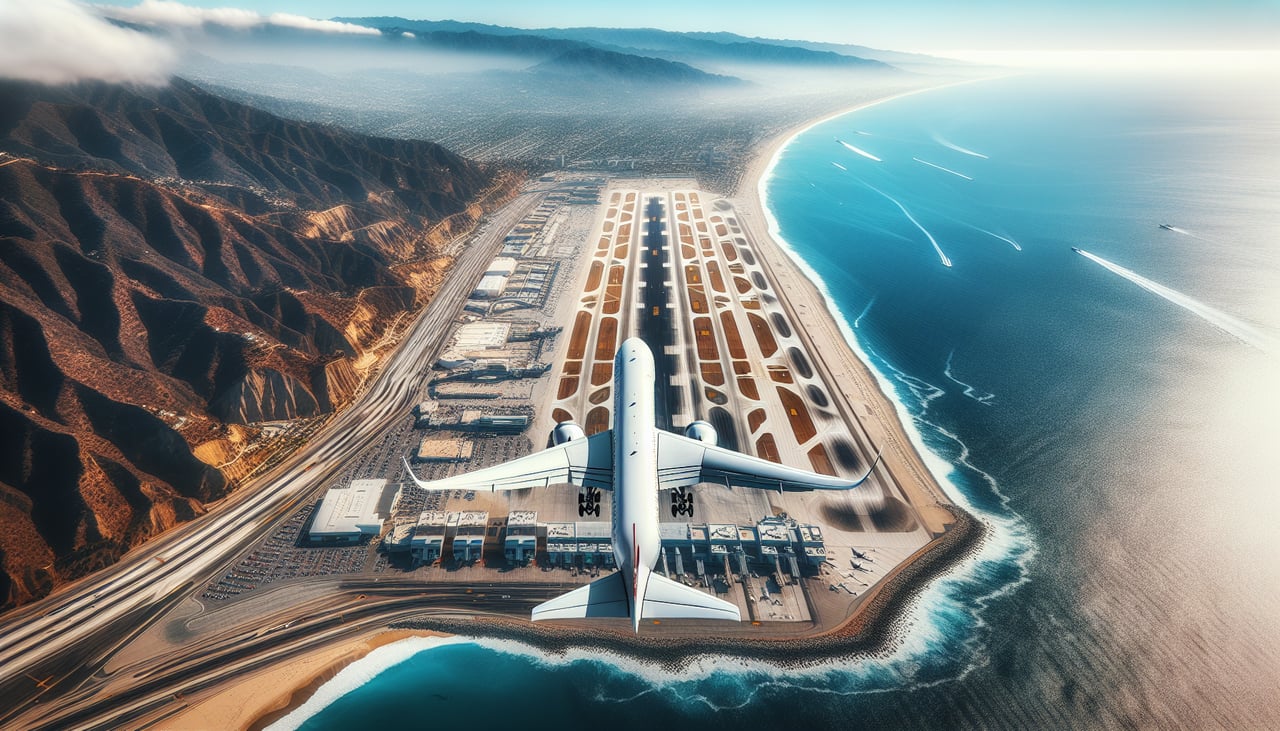
Takeoff from LAX
LEFTDeparting LAX in the standard west-flow pattern, the aircraft climbs out over Santa Monica Bay and banks toward the southwest heading for the Pacific crossing. Passengers on the left get a brief but clear view of the South Bay coastline, Palos Verdes Peninsula, and Catalina Island before the coast disappears behind for the long ocean crossing.
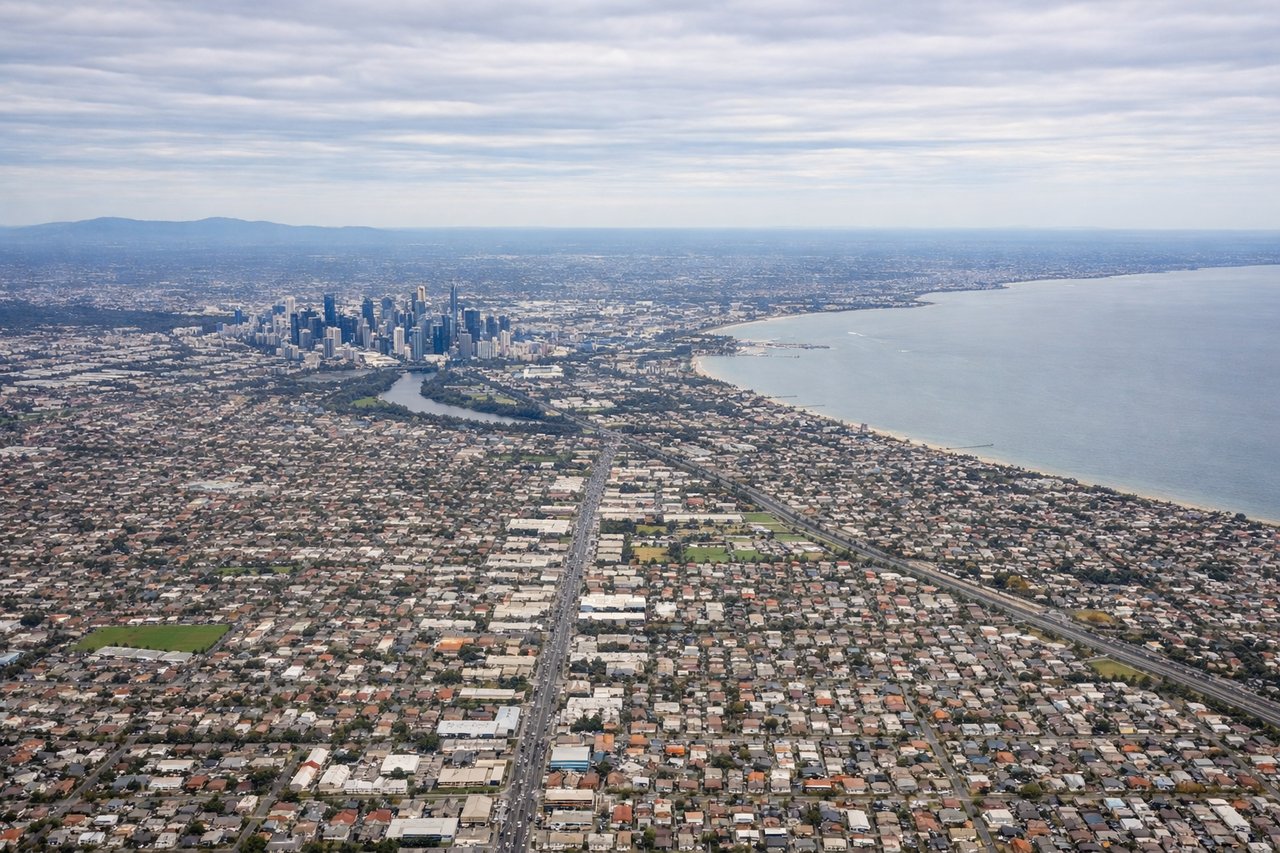
Landing at MEL
RIGHTOn final approach into Melbourne, arriving flights from the Pacific side often cross Port Phillip Bay before turning onto the northbound runway. This gives passengers on the right side a sweeping view of the bay's blue water and the Melbourne CBD skyline rising ahead, with the Bellarine and Mornington Peninsulas framing the bay in the distance.
Landmarks on this routeAll landmarks →
Will your flight be in sunlight?
See exactly which side of the plane gets sun and shade at your departure time.
About This Route
Which side of the plane should I sit on flying from Los Angeles International (LAX) to Melbourne International (MEL)?
Sit on the Right side of the plane for the best views on flights from Los Angeles to Melbourne. Both sides offer only brief scenic moments bracketing a very long ocean crossing, but the Melbourne arrival over Port Phillip Bay with the city skyline in view is a longer and more visually rewarding sequence than the quick coastal glimpse on departure from LAX, giving the right side the edge overall.
What can I see during takeoff from Los Angeles International in Los Angeles?
During takeoff from Los Angeles International (LAX), sit on the Left side for the best views. Departing LAX in the standard west-flow pattern, the aircraft climbs out over Santa Monica Bay and banks toward the southwest heading for the Pacific crossing. Passengers on the left get a brief but clear view of the South Bay coastline, Palos Verdes Peninsula, and Catalina Island before the coast disappears behind for the long ocean crossing. Notable sights include: Palos Verdes Peninsula, Santa Monica Bay coastline, Catalina Island, Los Angeles Harbor.
What can I see when landing at Melbourne International in Melbourne?
When landing at Melbourne International (MEL), sit on the Right side for the best views. On final approach into Melbourne, arriving flights from the Pacific side often cross Port Phillip Bay before turning onto the northbound runway. This gives passengers on the right side a sweeping view of the bay's blue water and the Melbourne CBD skyline rising ahead, with the Bellarine and Mornington Peninsulas framing the bay in the distance. Notable sights include: Port Phillip Bay, Melbourne CBD skyline, Mornington Peninsula, You Yangs hills.
How long is the flight from Los Angeles to Melbourne?
The flight from Los Angeles International (LAX) to Melbourne International (MEL) takes 15h 30m.
What does the Los Angeles to Melbourne flight path pass over?
The route crosses the vast open South Pacific, passing well south of Hawaii and through remote equatorial waters with no significant landmasses visible for the majority of the crossing; the aircraft may pass within distant view of scattered Pacific islands such as Fiji or New Caledonia during the latter part of the route before nearing Australia's southeast coast.