Right side wins both takeoff and landing, and on the typical routing southeast over Europe and then across the Indian Ocean, the right side also picks up better views of the Arabian Peninsula coastline, the Indian subcontinent's western coast, and the approach into Southeast Asia. Left side is not without merit over central Australia, but right is the stronger choice end to end.
Flown LHR to BNE? Did we get it right?
Flight Path
London to Brisbane is 10,279 miles (16,543 km), a flight of about 21 hours.
Routing typically goes southeast over France and the Alps, then across the Mediterranean and Egypt, down the Red Sea corridor, across the Arabian Sea toward India, over the Bay of Bengal and through Southeast Asia passing near Singapore, then southeast across the Timor Sea and over the vast flat interior of Queensland before descending into Brisbane. Notable features include the Alps, the Nile Delta, the Red Sea, the Indian subcontinent coastline, the Malay Peninsula, and the Great Barrier Reef coast if routing is coastal over Queensland.
Great circle distance and headings ›


Phase by phase
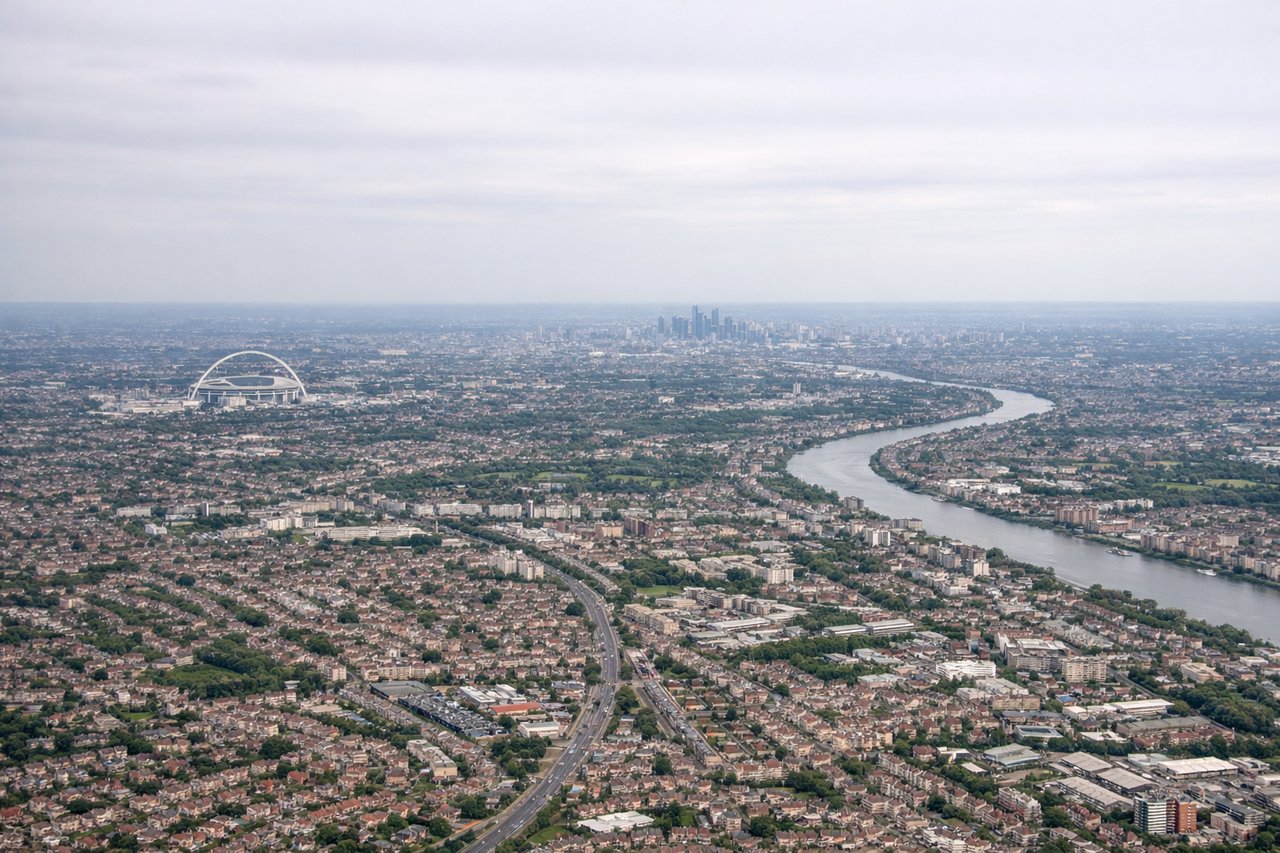
Takeoff from LHR
RIGHTHeathrow departures on runway 27L/27R head westbound, and a right-side seat gives you views south over Windsor Castle, the Thames, and the Surrey Hills as you climb out. Left side faces north toward Slough and the M25 corridor, which is far less interesting.
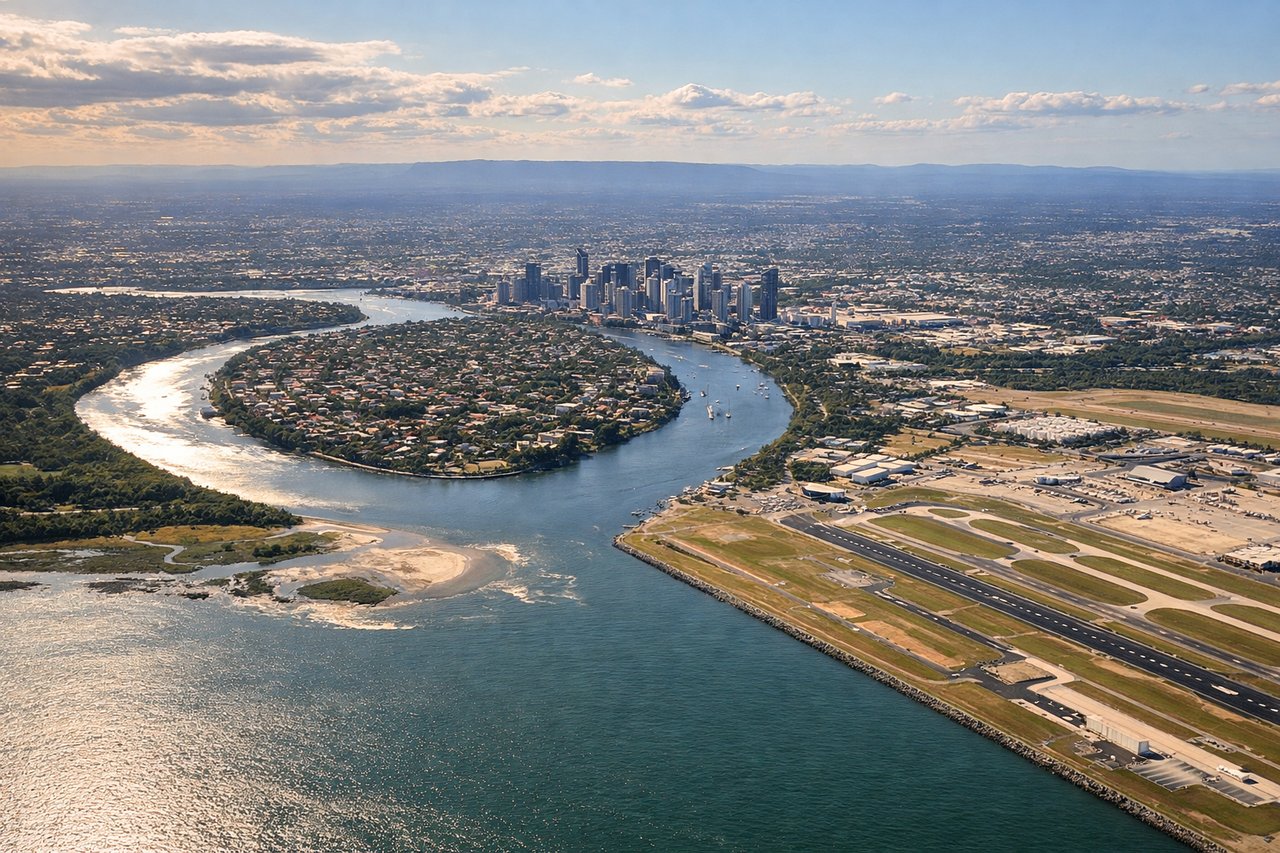
Landing at BNE
RIGHTBrisbane Airport sits on the north side of the city, and aircraft typically land on runway 01 heading north or depart/arrive from the south. A right-side seat on approach from the south gives views over the CBD skyline, the Brisbane River's distinctive meanders, and Moreton Bay. Left side faces west toward flat suburban sprawl.
Will your flight be in sunlight?
Pick a date and time in the Sun Map to watch the sun move across your whole flight.
About This Route
Which side of the plane should I sit on flying from Heathrow (LHR) to Brisbane International (BNE)?
Sit on the Right side of the plane for the best views on flights from London to Brisbane. Right side wins both takeoff and landing, and on the typical routing southeast over Europe and then across the Indian Ocean, the right side also picks up better views of the Arabian Peninsula coastline, the Indian subcontinent's western coast, and the approach into Southeast Asia. Left side is not without merit over central Australia, but right is the stronger choice end to end.
What can I see during takeoff from Heathrow in London?
During takeoff from Heathrow (LHR), sit on the Right side for the best views. Heathrow departures on runway 27L/27R head westbound, and a right-side seat gives you views south over Windsor Castle, the Thames, and the Surrey Hills as you climb out. Left side faces north toward Slough and the M25 corridor, which is far less interesting. Notable sights include: Windsor Castle and Windsor Great Park, the Thames snaking southeast toward London, the Surrey Hills escarpment, and the urban sprawl of southwest London including Richmond Park.
What can I see when landing at Brisbane International in Brisbane?
When landing at Brisbane International (BNE), sit on the Right side for the best views. Brisbane Airport sits on the north side of the city, and aircraft typically land on runway 01 heading north or depart/arrive from the south. A right-side seat on approach from the south gives views over the CBD skyline, the Brisbane River's distinctive meanders, and Moreton Bay. Left side faces west toward flat suburban sprawl. Notable sights include: Brisbane CBD skyline and Story Bridge, the Brisbane River's tight meanders through the inner suburbs, Moreton Bay and its islands to the east, and the Glass House Mountains visible to the north on clear days.
How long is the flight from London to Brisbane?
The flight from Heathrow (LHR) to Brisbane International (BNE) takes about 21 hours. The shortest flight path between them is 10,279 miles (16,543 km); winds and air traffic control usually add a few percent.
What does the London to Brisbane flight path pass over?
Routing typically goes southeast over France and the Alps, then across the Mediterranean and Egypt, down the Red Sea corridor, across the Arabian Sea toward India, over the Bay of Bengal and through Southeast Asia passing near Singapore, then southeast across the Timor Sea and over the vast flat interior of Queensland before descending into Brisbane. Notable features include the Alps, the Nile Delta, the Red Sea, the Indian subcontinent coastline, the Malay Peninsula, and the Great Barrier Reef coast if routing is coastal over Queensland.