Moreton Bay, Moreton Island, Bribie Island/Pumicestone Passage
🛬 Landing at Brisbane (BNE)
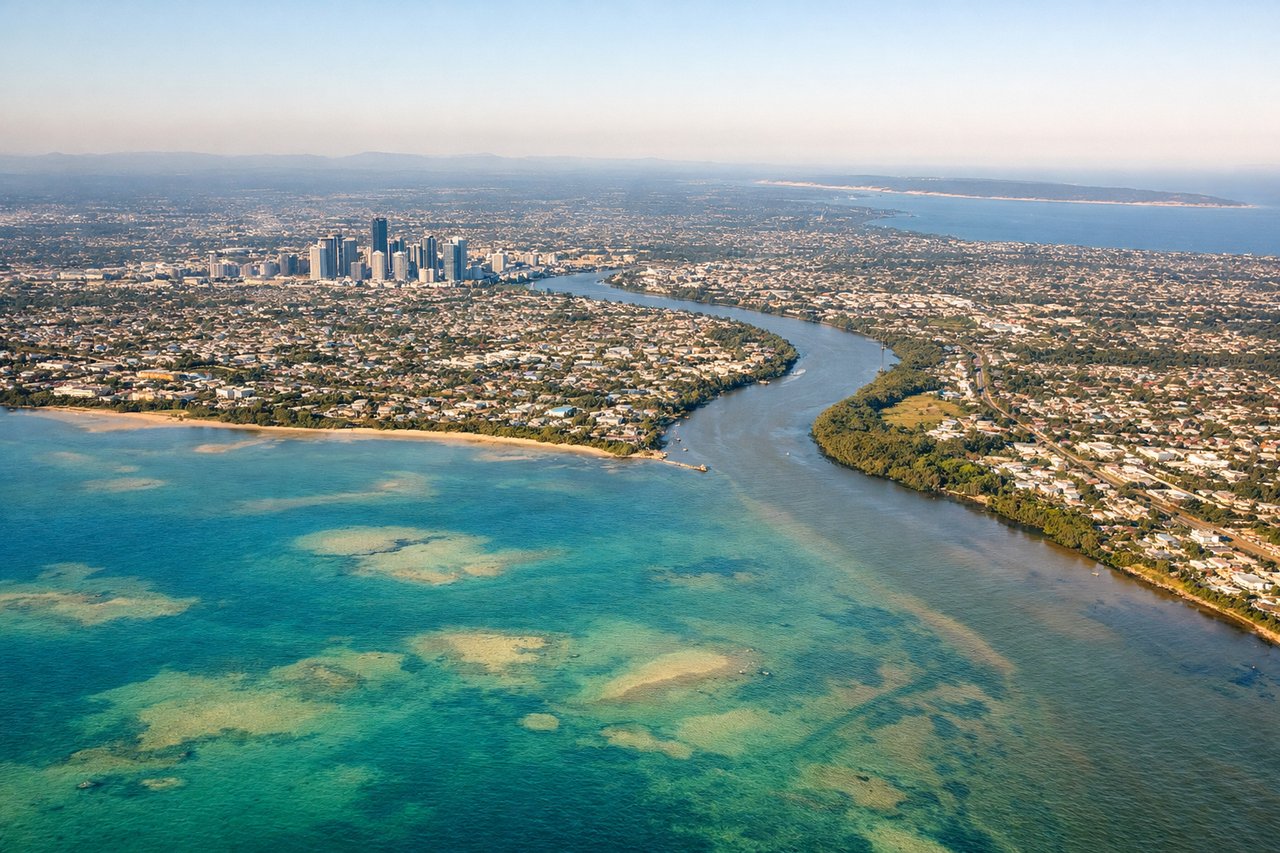 Left Side
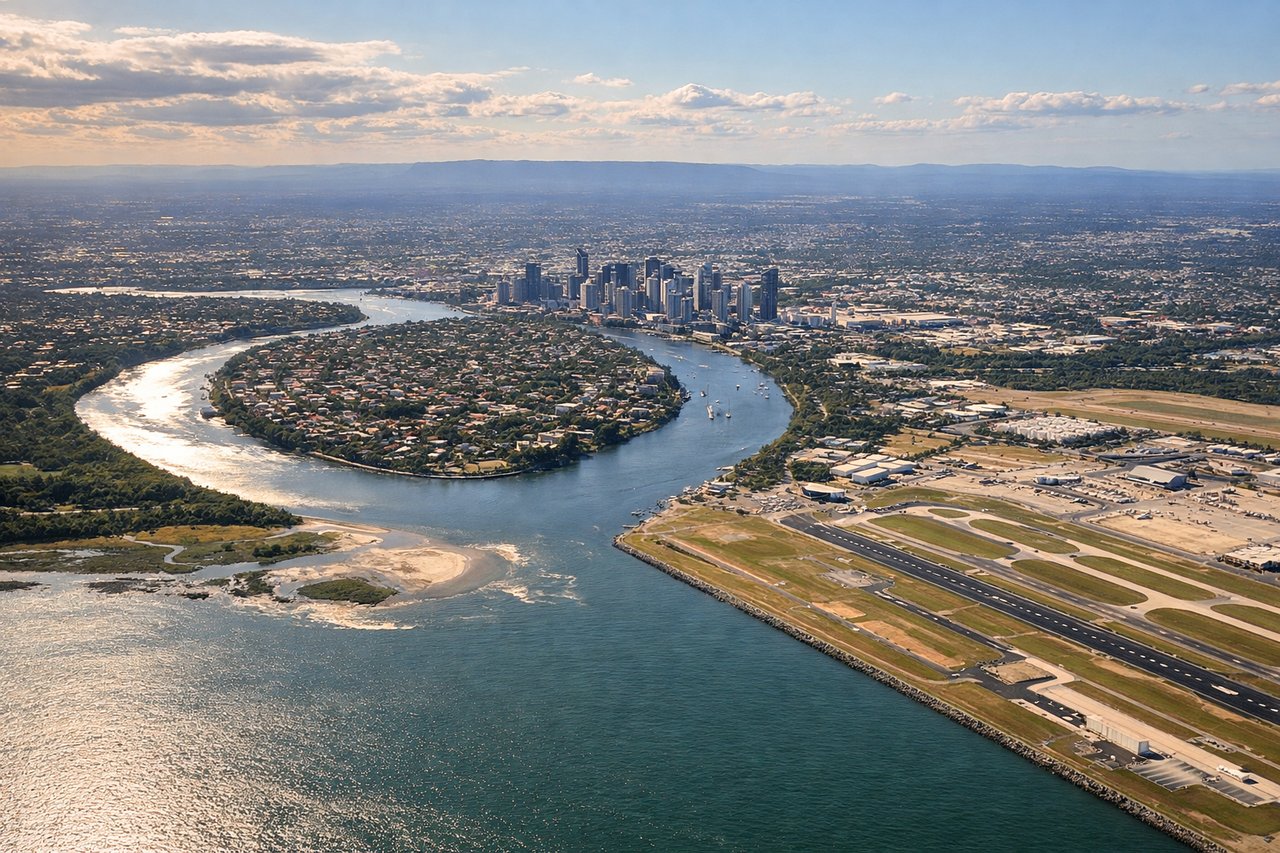 Right Side
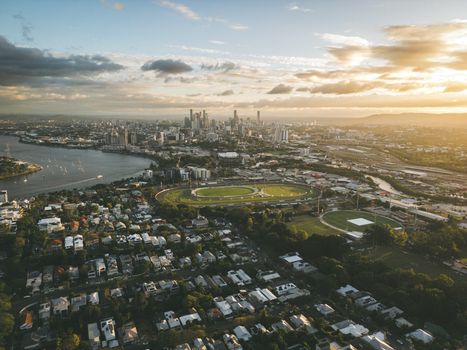 Photo: Marcus Ireland
Brisbane Airport has separate international and domestic terminals linked by the Airtrain, and operates two long parallel north-south runways, including a newer parallel runway completed in 2020 that boosted capacity significantly.
Landmarks on routes to BrisbaneAll landmarks →
Connecting at BNE?
Find out if your layover is long enough at Brisbane International.
Check layover times →Popular Routes to Brisbane International (BNE)
North America
Europe
Asia
South America
Oceania
Elsewhere
About This Airport
Which side of the plane has the best views landing at Brisbane International (BNE)?
When landing at Brisbane International (BNE), sit on the Left side for the best views. Landing on runway 19R, you approach from the north and fly south toward the airport, putting the left side of the aircraft facing east toward Moreton Bay. You'll get sweeping views of the bay's islands and waterways before touchdown, which is far more scenic than the flat suburban sprawl on the right. Notable sights include: Moreton Bay, Moreton Island, Bribie Island/Pumicestone Passage, St Helena Island.
What can I see when arriving at Brisbane?
Arriving at Brisbane International in Brisbane, passengers on the Left side enjoy views of Moreton Bay, Moreton Island, Bribie Island/Pumicestone Passage, St Helena Island. Landing on runway 19R, you approach from the north and fly south toward the airport, putting the left side of the aircraft facing east toward Moreton Bay. You'll get sweeping views of the bay's islands and waterways before touchdown, which is far more scenic than the flat suburban sprawl on the right.
What factors affect the best window seat landing at Brisbane International?
The best window seat landing at Brisbane International (BNE) depends on several factors: the approach path and runway in use, geographic features around Brisbane (mountains, coastlines, city skylines), weather conditions, and time of day. Morning and evening arrivals often offer the best lighting.