The right side wins on the strength of the London skyline at departure and, during the long Siberian cruise, generally faces south toward the Ural foothills and the Lake Baikal region as the great-circle route bends eastward — giving it more cumulative landmark exposure than the left side's mostly flat taiga and steppe views.
Flown LHR to ICN? Did we get it right?
Flight Path
London to Seoul is 5,506 miles (8,861 km), a flight of about 10 hours 50 minutes.
Baltic coastline near Kaliningrad, the Ural Mountains crossing, Siberian taiga stretching toward Lake Baikal, and the Mongolian Gobi steppe before the descent toward the Yellow Sea and Korean coast
Great circle distance and headings ›

Phase by phase
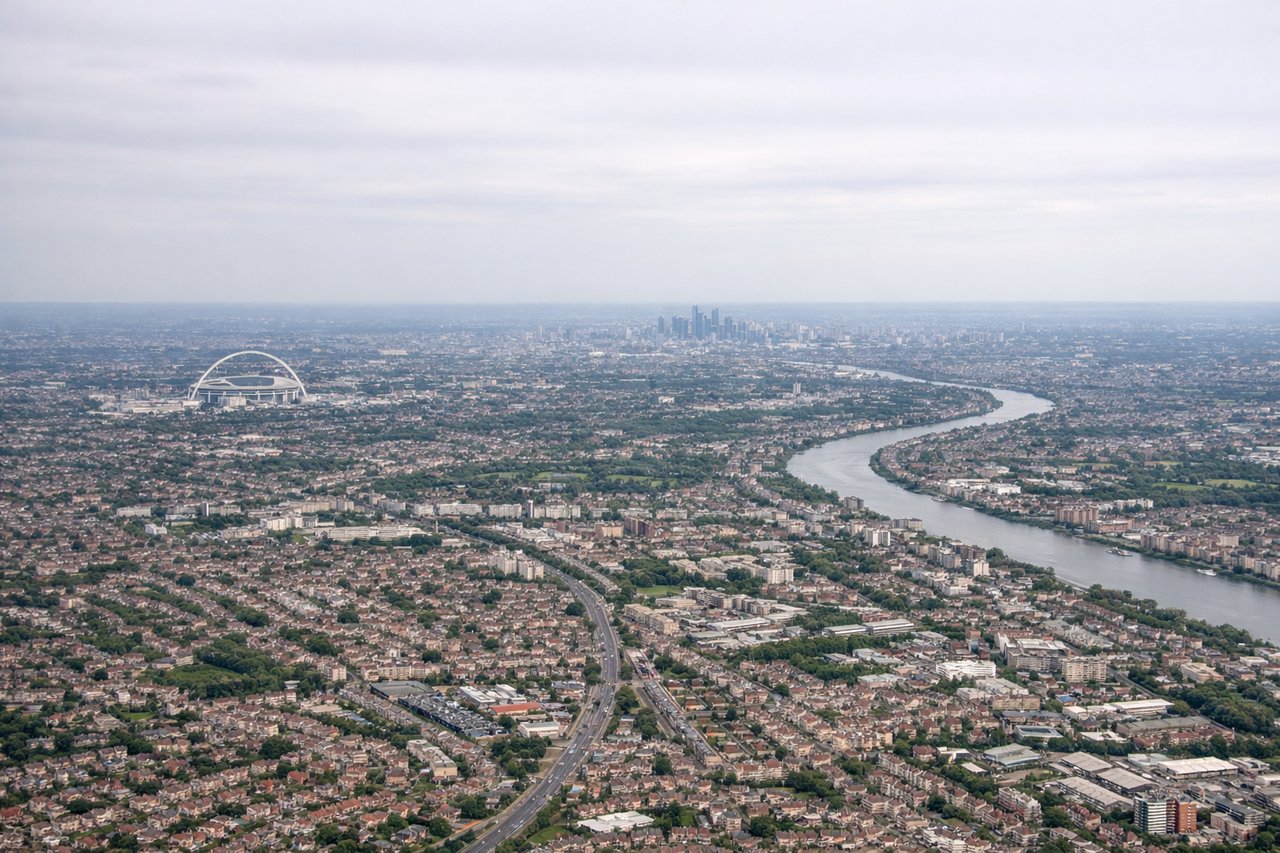
Takeoff from LHR
RIGHTHeathrow's prevailing westerly departures send the aircraft out over Berkshire before it banks north-east onto the Scandinavia/Russia track, and that turn puts central London squarely under the right-hand windows. Passengers get a rare high oblique view of the Thames and the City skyline just minutes after wheels-up.
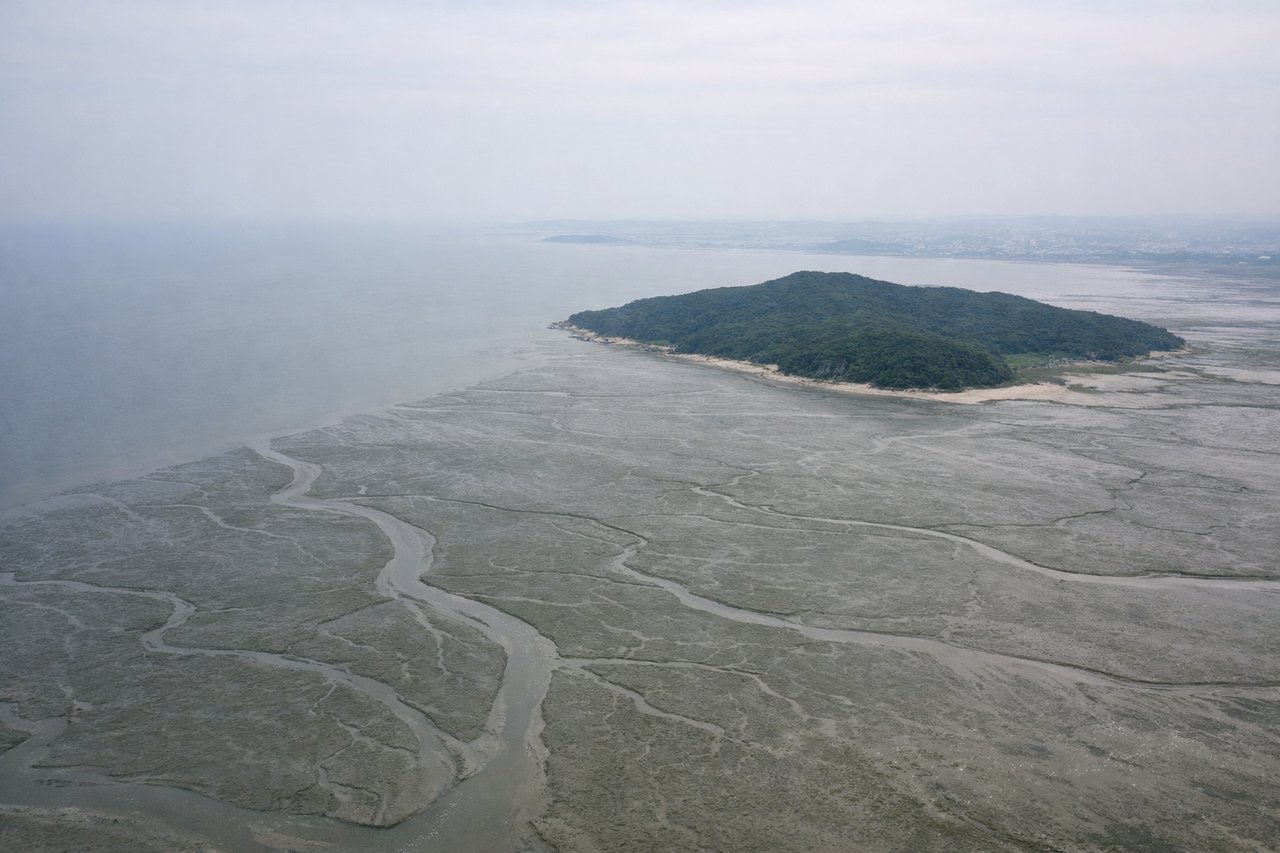
Landing at ICN
LEFTOn the approach into Incheon over the Yellow Sea, the descent path curves the aircraft so the coastal islands, mudflats, and the Incheon Bridge sit on the left side. It's the most distinctive scenery on this otherwise flat airport approach.
Will your flight be in sunlight?
Pick a date and time in the Sun Map to watch the sun move across your whole flight.
About This Route
Which side of the plane should I sit on flying from Heathrow (LHR) to Incheon International (ICN)?
Sit on the Right side of the plane for the best views on flights from London to Seoul. The right side wins on the strength of the London skyline at departure and, during the long Siberian cruise, generally faces south toward the Ural foothills and the Lake Baikal region as the great-circle route bends eastward — giving it more cumulative landmark exposure than the left side's mostly flat taiga and steppe views.
What can I see during takeoff from Heathrow in London?
During takeoff from Heathrow (LHR), sit on the Right side for the best views. Heathrow's prevailing westerly departures send the aircraft out over Berkshire before it banks north-east onto the Scandinavia/Russia track, and that turn puts central London squarely under the right-hand windows. Passengers get a rare high oblique view of the Thames and the City skyline just minutes after wheels-up. Notable sights include: River Thames, City of London/Canary Wharf skyline, Thames Estuary opening toward the North Sea.
What can I see when landing at Incheon International in Seoul?
When landing at Incheon International (ICN), sit on the Left side for the best views. On the approach into Incheon over the Yellow Sea, the descent path curves the aircraft so the coastal islands, mudflats, and the Incheon Bridge sit on the left side. It's the most distinctive scenery on this otherwise flat airport approach. Notable sights include: Incheon Bridge, Yellow Sea mudflats, small coastal islands near Yeongjong-do.
How long is the flight from London to Seoul?
The flight from Heathrow (LHR) to Incheon International (ICN) takes about 10 hours 50 minutes. The shortest flight path between them is 5,506 miles (8,861 km); winds and air traffic control usually add a few percent.
What does the London to Seoul flight path pass over?
Baltic coastline near Kaliningrad, the Ural Mountains crossing, Siberian taiga stretching toward Lake Baikal, and the Mongolian Gobi steppe before the descent toward the Yellow Sea and Korean coast