The great-circle path from Seoul to London arcs northward across Siberia before curving southwest into Europe, so the right (north-facing) side gets the more dramatic high-latitude terrain — Siberian taiga, river systems, and the Ural foothills — plus the bonus of a London flyover on approach, while the left side mostly faces flatter steppe and plains.
Flown ICN to LHR? Did we get it right?
Flight Path
Seoul to London is 5,506 miles (8,861 km), a flight of about 11 hours 35 minutes.
Mongolian steppe and the edge of the Gobi Desert, Siberian taiga and river basins (Ob/Yenisei region), and the Ural Mountains marking the Asia-Europe boundary before the route crosses into the Eastern European plains
Great circle distance and headings ›

Phase by phase
Takeoff from ICN
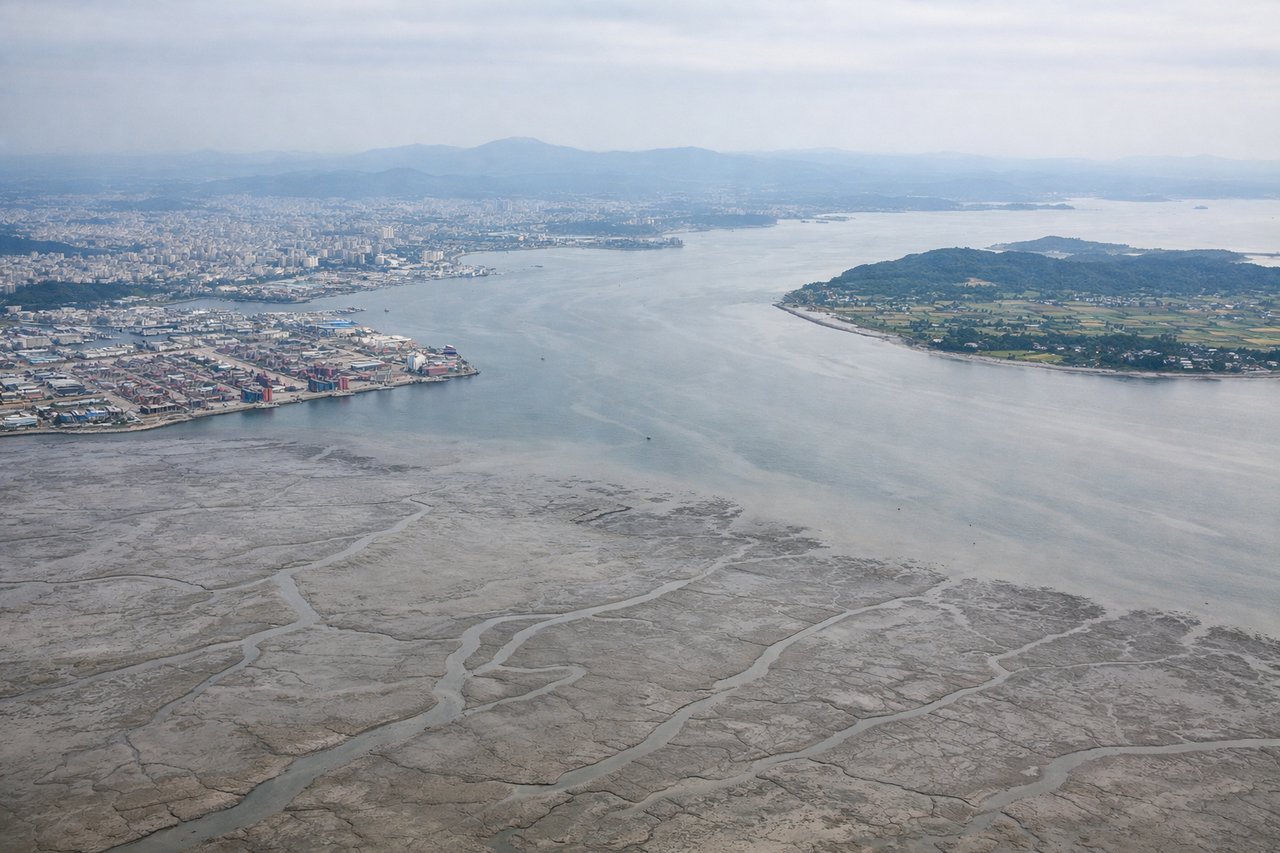
RIGHTClimbing out of Incheon (built on Yeongjong-do island), the turn toward the northwest gives right-side passengers a look back at the Incheon Bridge, the tidal islands of Ganghwa-do, and a distant glimpse of Seoul's skyline before the coastline gives way to the Yellow Sea and the Chinese mainland.
Landing at LHR
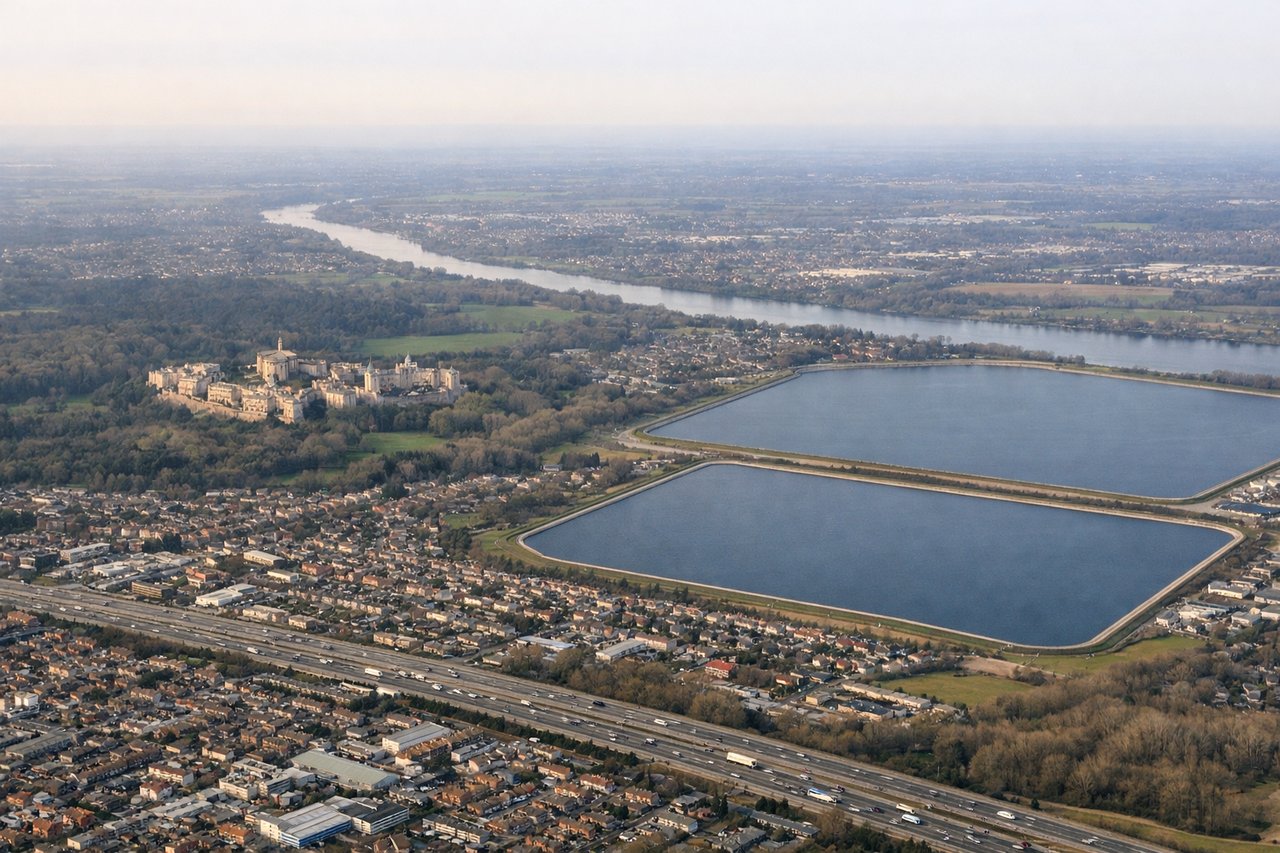
RIGHTOn the standard westerly approach into Heathrow, aircraft track west along a path just south of the Thames before landing, so right-side (north-facing) windows catch the London skyline — Canary Wharf's towers, the Shard, and the river bends through the city — right up until touchdown at Heathrow, west of London.
Will your flight be in sunlight?
Pick a date and time in the Sun Map to watch the sun move across your whole flight.
About This Route
Which side of the plane should I sit on flying from Incheon International (ICN) to Heathrow (LHR)?
Sit on the Right side of the plane for the best views on flights from Seoul to London. The great-circle path from Seoul to London arcs northward across Siberia before curving southwest into Europe, so the right (north-facing) side gets the more dramatic high-latitude terrain — Siberian taiga, river systems, and the Ural foothills — plus the bonus of a London flyover on approach, while the left side mostly faces flatter steppe and plains.
What can I see during takeoff from Incheon International in Seoul?
During takeoff from Incheon International (ICN), sit on the Right side for the best views. Climbing out of Incheon (built on Yeongjong-do island), the turn toward the northwest gives right-side passengers a look back at the Incheon Bridge, the tidal islands of Ganghwa-do, and a distant glimpse of Seoul's skyline before the coastline gives way to the Yellow Sea and the Chinese mainland. Notable sights include: Yeongjong-do and Ganghwa-do islands, Incheon Bridge, distant Seoul skyline, Yellow Sea coastline.
What can I see when landing at Heathrow in London?
When landing at Heathrow (LHR), sit on the Right side for the best views. On the standard westerly approach into Heathrow, aircraft track west along a path just south of the Thames before landing, so right-side (north-facing) windows catch the London skyline — Canary Wharf's towers, the Shard, and the river bends through the city — right up until touchdown at Heathrow, west of London. Notable sights include: River Thames, Canary Wharf towers, the Shard, Thames Estuary.
How long is the flight from Seoul to London?
The flight from Incheon International (ICN) to Heathrow (LHR) takes about 11 hours 35 minutes. The shortest flight path between them is 5,506 miles (8,861 km); winds and air traffic control usually add a few percent.
What does the Seoul to London flight path pass over?
Mongolian steppe and the edge of the Gobi Desert, Siberian taiga and river basins (Ob/Yenisei region), and the Ural Mountains marking the Asia-Europe boundary before the route crosses into the Eastern European plains