The right side wins across all three phases: a clearer view of Seoul and the Incheon coast at takeoff, more consistent sightlines toward Kamchatka's volcanic terrain, the Alaska Range, and Canadian tundra during the long polar-route cruise, and a scenic Lake Michigan/Chicago skyline view on final approach.
Flight Path
Sea of Okhotsk and Kamchatka Peninsula volcanoes, Bering Sea, Alaska Range near Denali, Canadian Arctic tundra and Hudson Bay, Ontario boreal forest, Great Lakes region approaching Chicago
Great circle distance and headings ›Phase by phase
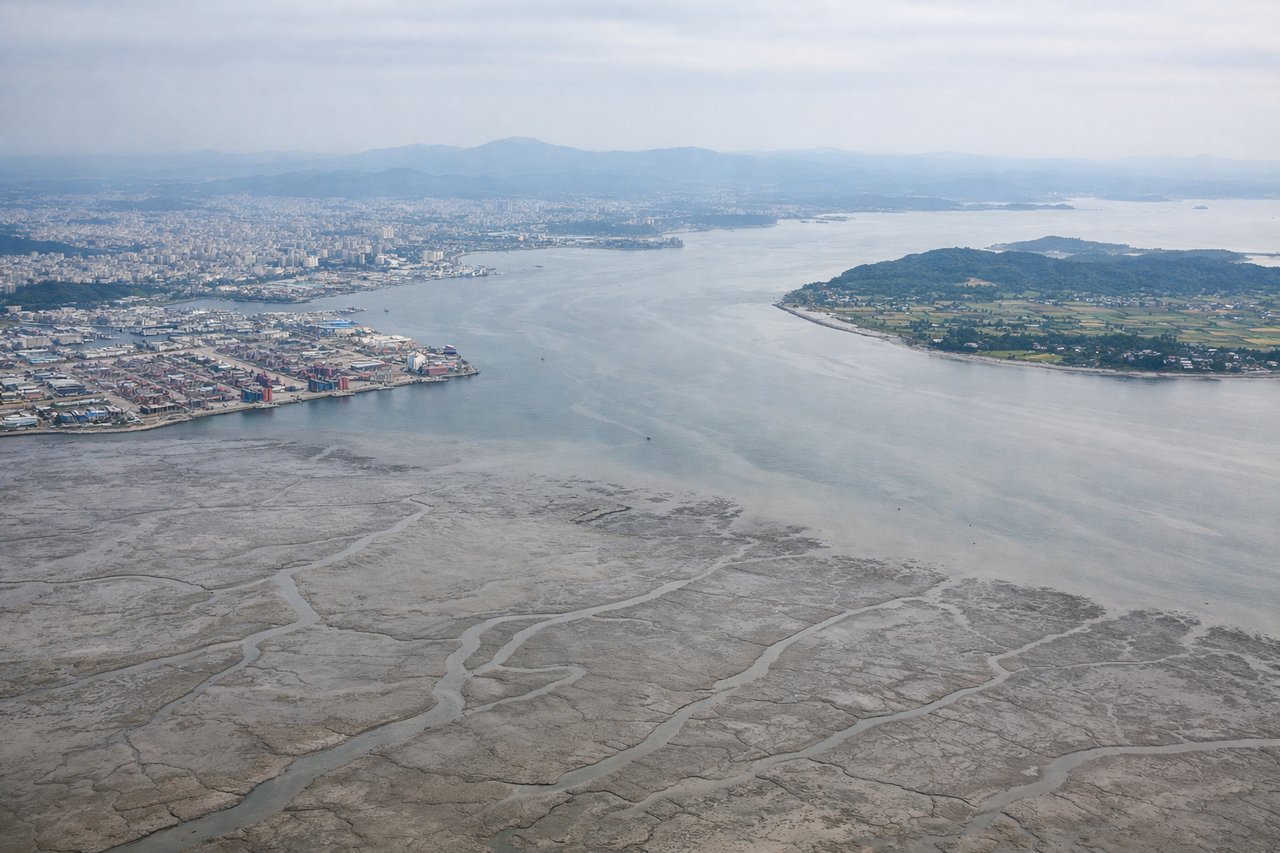
Takeoff from ICN
RIGHTAs the aircraft climbs out from ICN and turns toward its northeasterly track, the right side offers a clear view back over the Incheon coastline, the Han River estuary, and the Seoul metropolitan skyline in the middle distance. The left side mostly shows open Yellow Sea water with scattered small islands.

Landing at ORD
RIGHTOn approach to ORD from the east, the right side typically faces south, giving passengers a good look at the Chicago skyline and the curve of Lake Michigan's shoreline before the turn onto final approach. The left side over these final minutes shows mostly flat suburban grid with little distinguishing scenery.
Landmarks on this routeAll landmarks →
Will your flight be in sunlight?
See exactly which side of the plane gets sun and shade at your departure time.
About This Route
Which side of the plane should I sit on flying from Incheon International (ICN) to Chicago Ohare International (ORD)?
Sit on the Right side of the plane for the best views on flights from Seoul to Chicago. The right side wins across all three phases: a clearer view of Seoul and the Incheon coast at takeoff, more consistent sightlines toward Kamchatka's volcanic terrain, the Alaska Range, and Canadian tundra during the long polar-route cruise, and a scenic Lake Michigan/Chicago skyline view on final approach.
What can I see during takeoff from Incheon International in Seoul?
During takeoff from Incheon International (ICN), sit on the Right side for the best views. As the aircraft climbs out from ICN and turns toward its northeasterly track, the right side offers a clear view back over the Incheon coastline, the Han River estuary, and the Seoul metropolitan skyline in the middle distance. The left side mostly shows open Yellow Sea water with scattered small islands. Notable sights include: Incheon coastline and tidal flats, Han River estuary, Seoul skyline, Yellow Sea islands.
What can I see when landing at Chicago Ohare International in Chicago?
When landing at Chicago Ohare International (ORD), sit on the Right side for the best views. On approach to ORD from the east, the right side typically faces south, giving passengers a good look at the Chicago skyline and the curve of Lake Michigan's shoreline before the turn onto final approach. The left side over these final minutes shows mostly flat suburban grid with little distinguishing scenery. Notable sights include: Lake Michigan shoreline, Chicago skyline (Loop and lakefront towers), Chicago River mouth, O'Hare's runway grid.
How long is the flight from Seoul to Chicago?
The flight from Incheon International (ICN) to Chicago Ohare International (ORD) takes 13h 25m.
What does the Seoul to Chicago flight path pass over?
Sea of Okhotsk and Kamchatka Peninsula volcanoes, Bering Sea, Alaska Range near Denali, Canadian Arctic tundra and Hudson Bay, Ontario boreal forest, Great Lakes region approaching Chicago